Despite Donald Trump's ceasefire extension offering a brief exhale of relief, the Strait of Hormuz - the narrow chokepoint through which roughly 20% of the world's oil supply passes - is sitting at a tension level that can only be described as 'one miscommunication away from a very bad Tuesday.'
According to a BBC report, the US and Iran are locked in a naval blockade standoff, with the mood in the region described as 'combustible.' That's diplomatic-speak for 'extremely not good.'
What is actually happening
The standoff involves US naval forces and Iranian vessels facing off in and around the Strait of Hormuz, the sliver of water between Iran and Oman that connects the Persian Gulf to the open ocean. Iran has previously threatened to close the strait in response to military or economic pressure - a move that would send global oil markets into an absolute meltdown.
Trump's ceasefire extension has technically paused some of the escalatory momentum, but according to BBC reporting, it has done little to defuse the underlying hostility between the two sides on the water. Think of it less as a peace deal and more as two people agreeing not to throw punches while still very much glaring at each other.

Pakistan steps into the ring (diplomatically speaking)
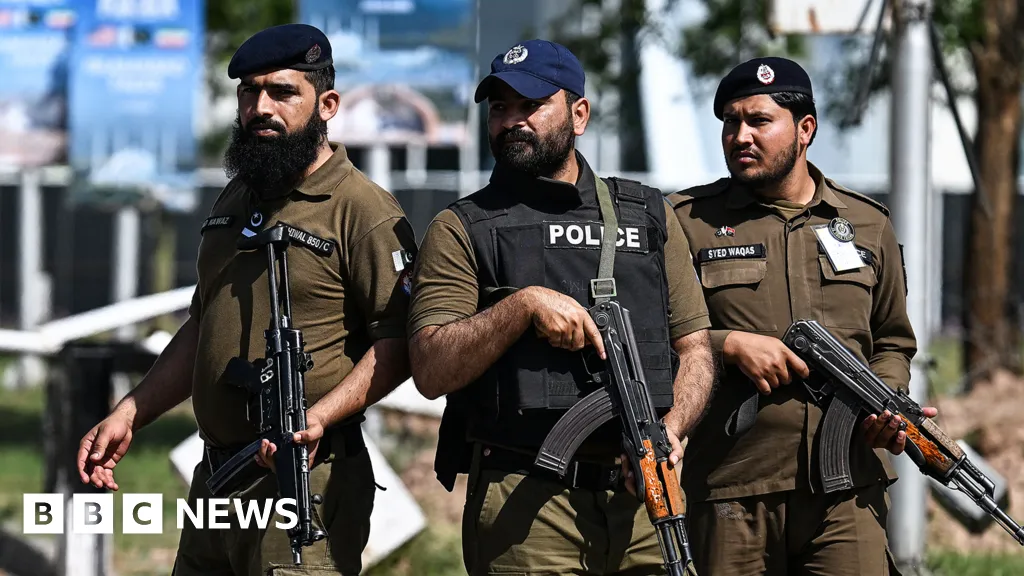
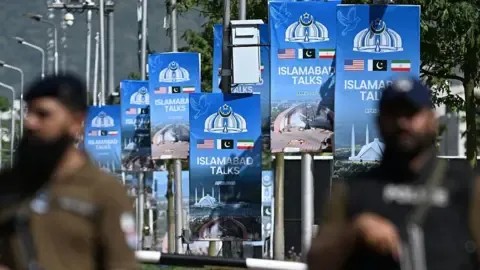
Enter Pakistan, which is reportedly pushing for talks between Washington and Tehran. Islamabad has historical ties with both sides and appears to be attempting the geopolitical equivalent of separating two arguing relatives at a family dinner.
Whether Pakistan's diplomatic nudging will amount to anything concrete remains to be seen. The gulf - both literal and figurative - between US and Iranian positions is wide, and both sides have domestic political incentives to appear uncompromising.
Why this matters to basically everyone
The Strait of Hormuz is not some abstract geopolitical chess piece. It is the pipeline through which Saudi Arabian, Emirati, Kuwaiti, and Iraqi oil flows to global markets. Any disruption - even a temporary one - would spike energy prices worldwide, hitting consumers in Europe, Asia, and beyond squarely in the wallet.
Global oil markets are already watching the situation nervously. Analysts have long identified a Hormuz closure as one of the most severe near-term shocks the global economy could absorb - or more accurately, fail to absorb.
For now, the ceasefire holds, Pakistan is on the phone, and the tankers keep moving. But as the BBC's reporting makes clear, 'combustible' is doing a lot of heavy lifting as a descriptor for the current state of affairs in one of the world's most strategically vital waterways.
Watch this space - preferably from a safe distance.