In a development that has diplomats checking their phonebooks and historians reaching for their calculators, US President Donald Trump announced on Wednesday that the leaders of Israel and Lebanon will speak directly with each other on Thursday - marking the first such communication between the two countries' heads of state in a staggering 34 years, according to Al Jazeera.
Yes, you read that correctly. Thirty-four years. That is longer than most millennials have been alive, longer than the entire post-Soviet era, and roughly the time it takes a dedicated Netflix subscriber to finish their watchlist.
So what's the deal?
Trump, who has been pushing hard for a broader regional stabilization following the ceasefire agreement reached late last year between Israel and Hezbollah, framed the upcoming call as a significant step forward. The two countries have technically been in a state of war for decades, sharing a border that has been anything but friendly, which explains why their leaders apparently never felt the urge to ring each other up for a chat.
Lebanon's new president Joseph Aoun, who took office in January 2025 after a two-year presidential vacuum that would make even the most dysfunctional government blush, is expected to be on the other end of the line. On the Israeli side, Prime Minister Benjamin Netanyahu would be the one picking up.
Why does this matter?
Direct leader-to-leader communication, even just a phone call, carries symbolic weight that goes well beyond the conversation itself. It signals a willingness to engage at the highest political level, something that has been essentially nonexistent between the two nations for over three decades.
The call comes amid broader US-led efforts to normalize relations between Israel and Arab states in the region, a process that has moved in fits and starts but has gained some renewed momentum under the current administration's diplomatic push.
Whether this phone call leads to anything substantive - or ends up being an awkward 12-minute exchange where both parties agree the weather has been unusual lately - remains to be seen. But the symbolism alone is hard to dismiss.
The bigger picture
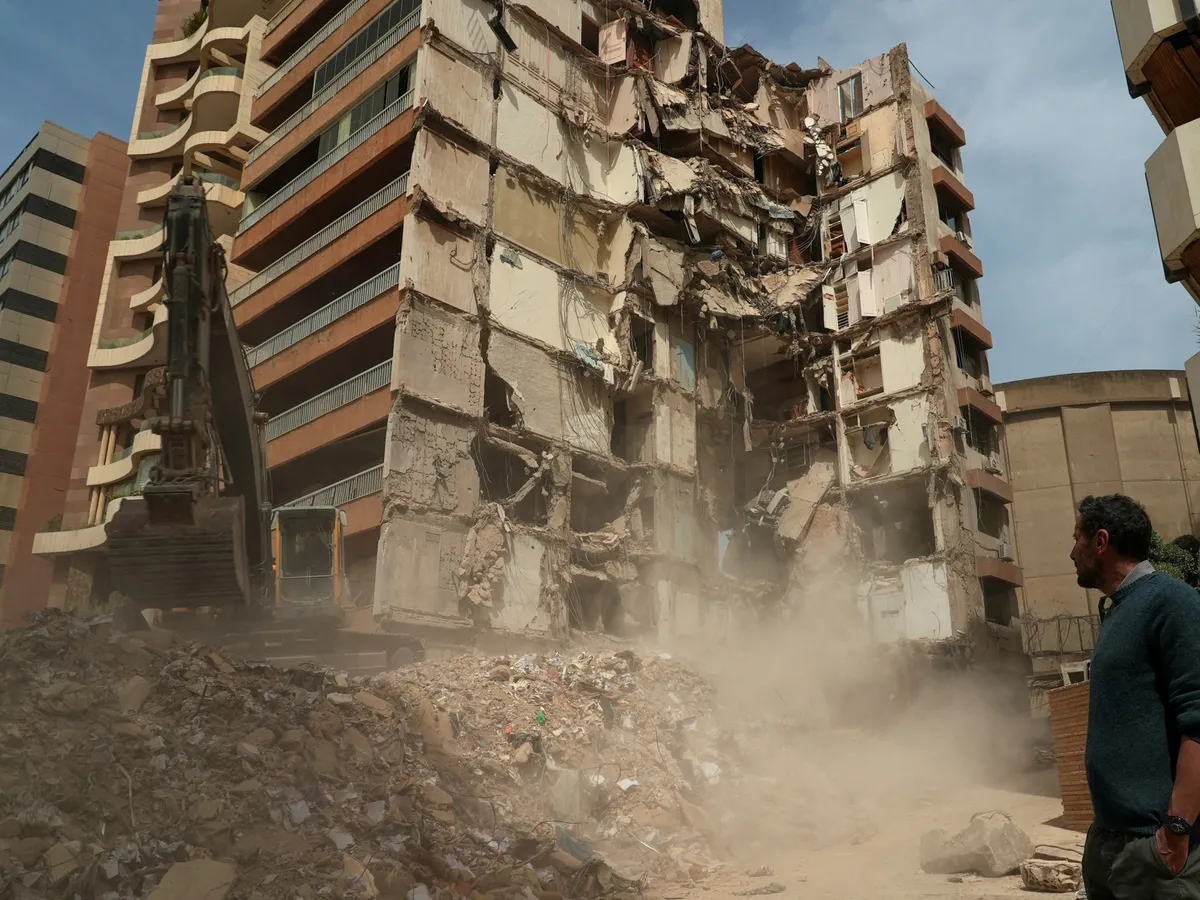
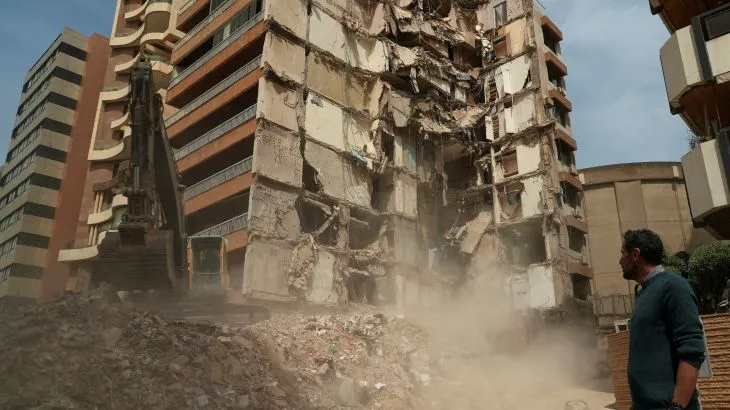
Lebanon has been in a fragile recovery mode after years of economic collapse, political paralysis, and the devastating fallout from the conflict with Israel. A direct line of communication between the two governments, even an informal one, could open doors for discussions on border demarcation, reconstruction, and long-term stability - all of which the region desperately needs.
For now, the world will be watching on Thursday to see if history, however small a chapter, is quietly made over a phone call.