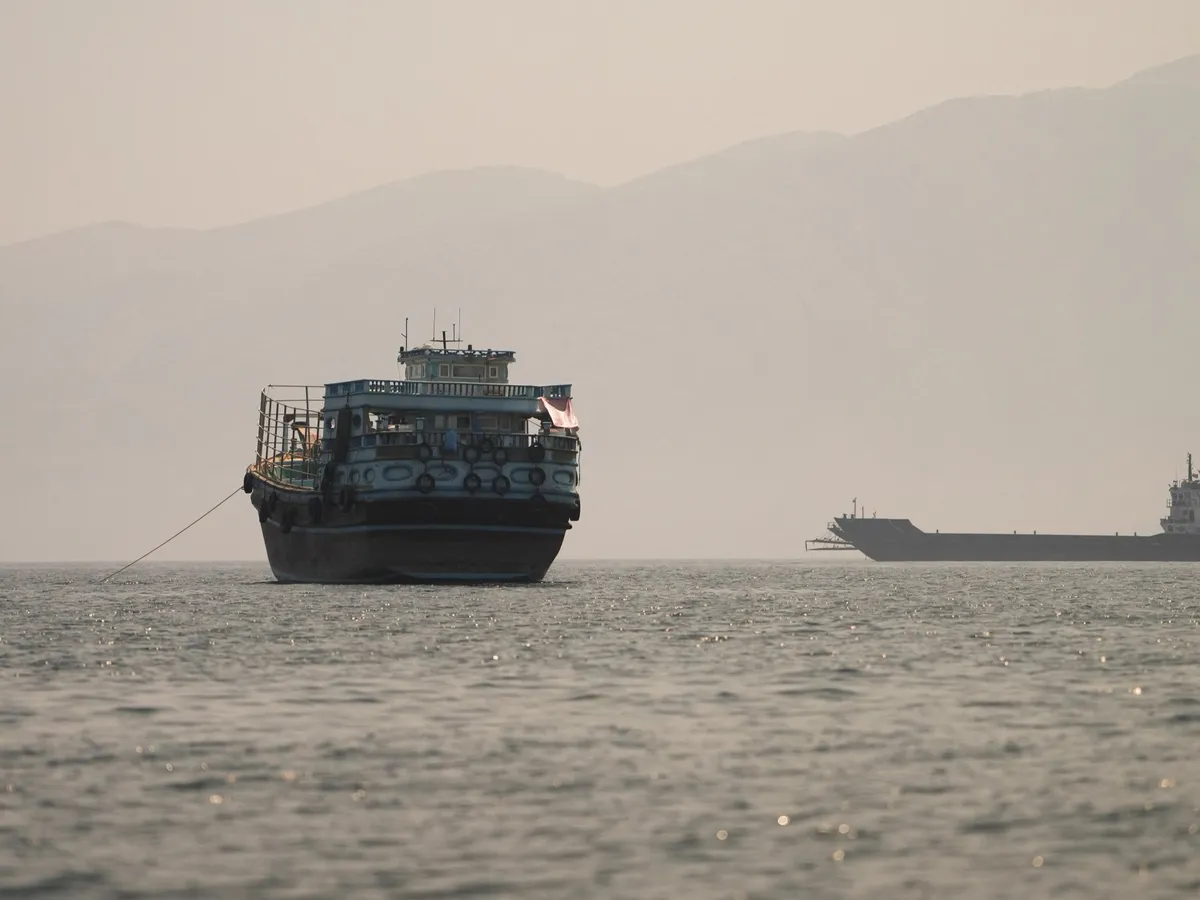
It appears the high seas are no longer just a backdrop for pirate movies and dramatic Netflix documentaries. According to Al Jazeera, organisers of the Global Sumud Flotilla - a civilian aid mission attempting to reach Gaza - reported on April 29 that their vessels were being intercepted by Israeli military speedboats.
The flotilla, whose name references the Arabic concept of steadfast resilience, was attempting to deliver humanitarian aid to Gaza when the interceptions reportedly began. Organisers themselves confirmed the development, though the full details of what happened during the encounters were still emerging at the time of reporting.

What we know (and what we don't)
Based on Al Jazeera's reporting, here is what is confirmed: organisers say Israeli military speedboats began intercepting their boats. What remains unclear is the exact sequence of events that followed, whether any vessels were boarded, and what the ultimate fate of the aid cargo will be.
Israel has maintained a blockade on Gaza for years, arguing it is necessary to prevent weapons from reaching Hamas. Critics - including many international humanitarian organisations - argue the blockade has strangled civilian aid and contributed to a catastrophic humanitarian situation in the territory.

A familiar flashpoint
This is far from the first time a Gaza-bound flotilla has ended up in a confrontation with Israeli forces at sea. The most notorious precedent was the 2010 Mavi Marmara incident, in which Israeli commandos raided a flotilla vessel, resulting in the deaths of ten activists and triggering a major international diplomatic crisis.
The Global Sumud Flotilla had been organised amid what aid groups describe as a severe deterioration of conditions inside Gaza, with food, medicine, and basic supplies running critically short according to multiple humanitarian organisations.

Eyes on the water
International observers and human rights groups are watching closely. Aid flotillas occupy a complicated legal grey zone - they operate in international waters but attempt to breach a blockade that Israel considers legitimate under its security framework, while critics counter that collective punishment of a civilian population violates international humanitarian law.
At the time of Al Jazeera's reporting, no official statement from the Israeli military had been included in the available source material. The situation was still developing.
What is certain is that the images of military speedboats circling civilian aid vessels are not exactly the kind of PR that tends to win hearts and minds - though given current geopolitical temperatures, it is anyone's guess whether that calculus carries much weight right now.