Iran's Revolutionary Guards are apparently done playing nice. According to a report by Al Jazeera, Tehran has issued stern warnings against any vessels attempting to cross the Strait of Hormuz without explicit Iranian authorisation - and at least one oil tanker is already testing that patience in real time.
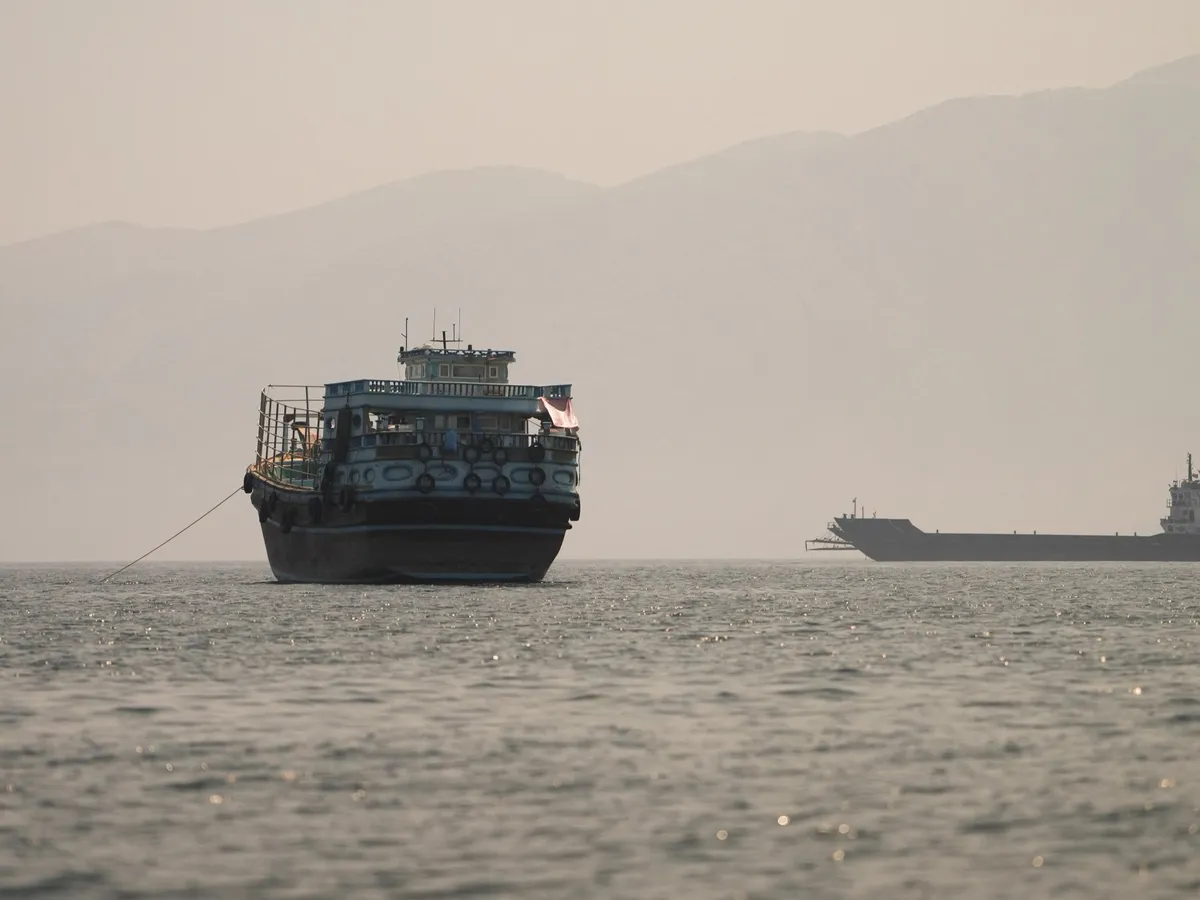
The tanker in question, according to the Al Jazeera report, was spotted navigating the strait by hugging the western coast - a move that reads less like an innocent shipping route and more like a kid tiptoeing past a sleeping guard dog. The strategy presumably being: if you stay close enough to the wall, maybe nobody notices you're there.
Why the Strait of Hormuz matters so much
For those who slept through geography class, the Strait of Hormuz is essentially the jugular vein of global oil supply. Roughly 20% of the world's oil and about a third of all liquefied natural gas passes through this narrow strip of water between Iran and Oman. Disrupting it - even partially - would send energy markets into a full-blown meltdown faster than you can say "$200 per barrel."
Iran has long used its geographic position over the strait as geopolitical leverage, and threatening to restrict access is a classic card in Tehran's hand. The Revolutionary Guards, who are responsible for enforcing Iranian maritime claims in the Persian Gulf, have previously seized vessels and conducted naval harassment operations in the area.
What's actually happening on the water
The current episode comes amid heightened regional tensions, with the tanker reportedly continuing its journey despite the warnings from Iran's Revolutionary Guards. Al Jazeera's report does not specify which flag the vessel was sailing under or confirm whether any direct confrontation occurred.
What is clear is that the warnings are being taken seriously enough to change navigational behaviour - hugging one coastline over another is not exactly a standard commercial shipping decision. It is the maritime equivalent of crossing the street to avoid someone.
The bigger picture
Iran's posturing over the strait tends to intensify during periods of diplomatic strain with the United States or when sanctions pressure mounts. Whether this latest round of warnings represents a genuine escalation or Tehran rattling a very familiar cage remains to be seen.
What is certain is that every shipping company, every oil trader, and every energy minister in the world is watching a tanker try to squeeze past an angry regional power - and that the world's morning commute is, in some very real sense, tied to how this plays out.