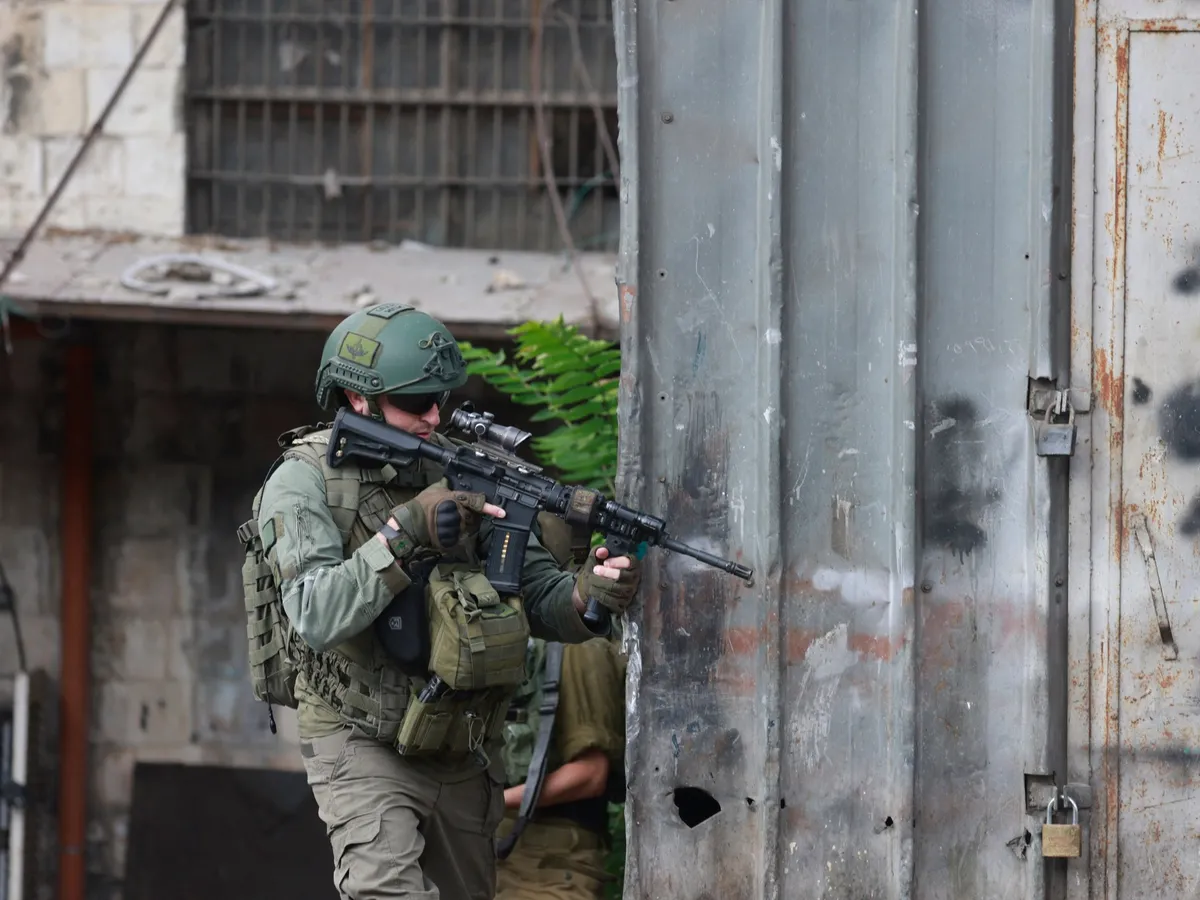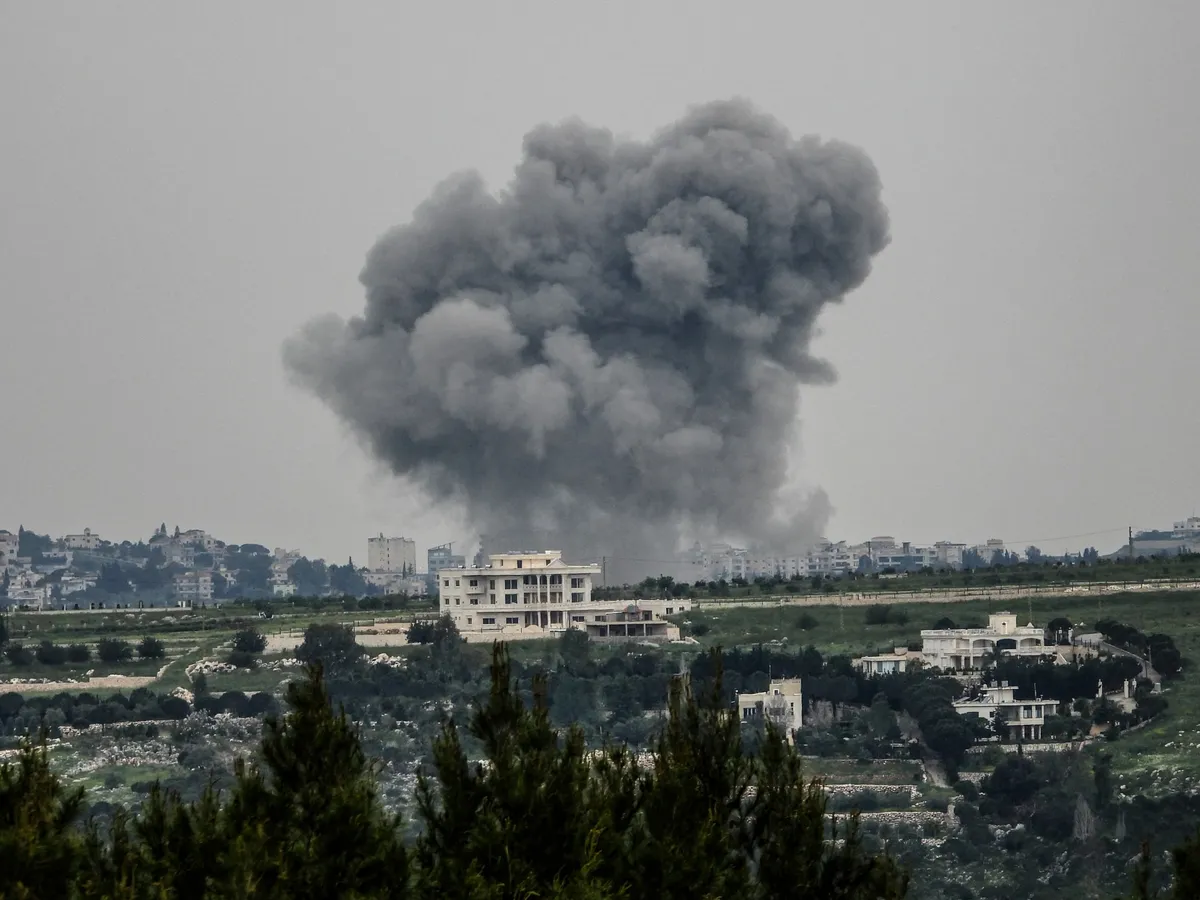
In what is shaping up to be the geopolitical equivalent of two kids arguing over who started the food fight, Israel has issued forced evacuation orders for parts of southern Lebanon amid a fresh escalation - while Hezbollah flatly rejects Israeli Prime Minister Benjamin Netanyahu's claims that the group has been undermining the Israel-Lebanon ceasefire, according to reporting by Al Jazeera.
What is actually happening on the ground
Israel's military issued the evacuation orders targeting areas in southern Lebanon, a move that signals a significant ratcheting up of tensions in a region that has been operating under a fragile ceasefire agreement. The orders represent one of the more concrete and alarming developments since the ceasefire was put in place.
Hezbollah, for its part, is pushing back hard against Netanyahu's characterization of events. The group denies that it is the one poking holes in the ceasefire deal - a claim that, depending on who you believe, is either a principled defense or the world's most brazen bit of political deflection.
The ceasefire blame game
Netanyahu has reportedly accused Hezbollah of actions that undermine the terms of the ceasefire agreement. Hezbollah's rejection of those allegations is firm and unambiguous, according to Al Jazeera's coverage. What is less clear is the precise sequence of events and which side's actions triggered this latest round of escalation - a question that, in this particular corner of the world, tends to have about seventeen competing answers depending on which news channel you're watching.
Why this matters
Forced evacuation orders are not a casual diplomatic move. They signal that Israeli military planners are either preparing for or actively considering kinetic action in the affected areas. Civilian displacement is both a humanitarian concern in the immediate term and a powerful indicator of how seriously decision-makers are treating the current threat environment.
The ceasefire between Israel and Lebanon, brokered after a period of intense cross-border hostilities, was already under strain before this latest development. Each accusation of violations - whether credible or politically motivated - chips away at whatever confidence still exists in the agreement holding together.
As of Al Jazeera's reporting, the situation remains fluid, with no clear indication of whether diplomatic channels are actively working to de-escalate or whether both sides are simply strapping in for another bumpy ride.