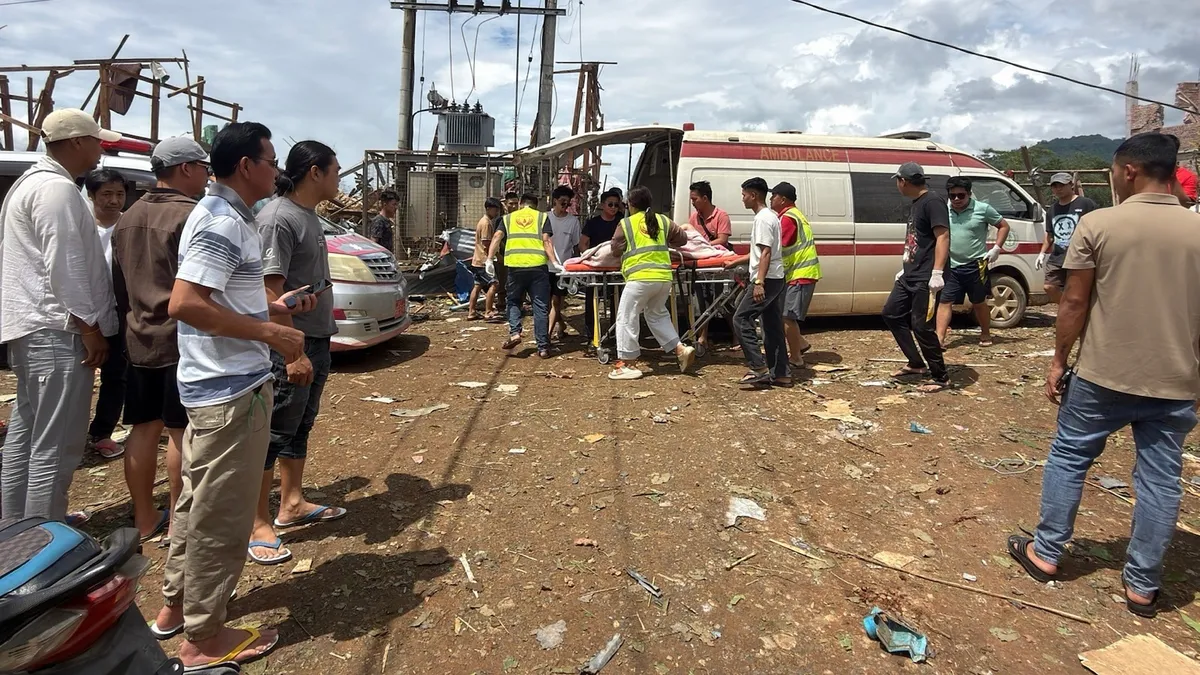
At least 38 people are dead after a catastrophic explosion of stored mining explosives rocked northeastern Myanmar, with more than a dozen rescue and charity organizations now racing against time - and unstable rubble - to recover bodies from the blast site, according to a report by ABC News.
What we know so far
Rescue teams deployed excavation machinery to dig through the wreckage, suggesting the scale of destruction was severe enough that manual recovery efforts simply wouldn't cut it. The explosion originated from mining explosives that had been stored in the area - the kind of scenario that safety regulators in functioning governments spend considerable energy trying to prevent.
The blast occurred in northeastern Myanmar, a region that has seen significant mining activity - and, it must be said, significant chaos, given the ongoing civil conflict that has gripped the country since the military coup of 2021. Oversight of industrial operations, including the safe storage of explosive materials, has been deeply compromised in many parts of the country.
Who is responding?
According to ABC News, over a dozen rescue and charity groups mobilized to assist, a detail that speaks volumes about the state of formal emergency services in the region. When you need more than a dozen volunteer organizations with excavators to handle your disaster response, that's not a good sign for the institutional infrastructure in the area.
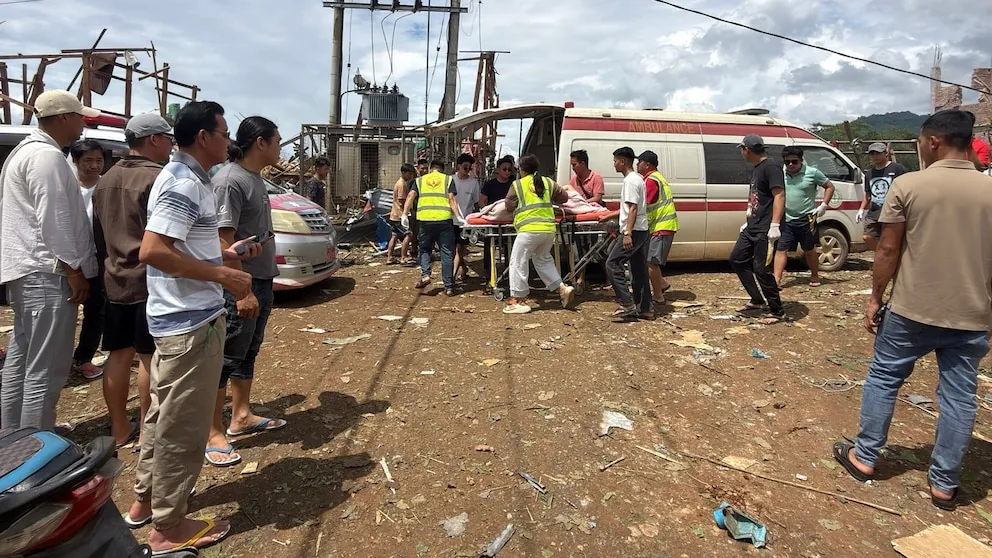
The death toll of at least 38 should be understood as a floor, not a ceiling - recoveries were still ongoing at the time of reporting, and blasts of this magnitude in areas with limited medical infrastructure tend to produce grim final tallies.
The bigger picture
Myanmar's mining sector, particularly in its northeastern border regions, operates in murky and often dangerous conditions. These areas are frequently controlled by various armed factions rather than any central authority, meaning safety standards - where they exist at all - are inconsistently enforced, if at all.
The storage of large quantities of mining explosives in populated or semi-populated areas is the kind of ticking clock that investigators will now be looking back at with the uncomfortable clarity of hindsight.
No group has claimed responsibility for any deliberate act, and based on available reporting from ABC News, this appears to be a catastrophic accident rather than an intentional attack. The full circumstances surrounding how the explosives came to detonate are still under investigation.