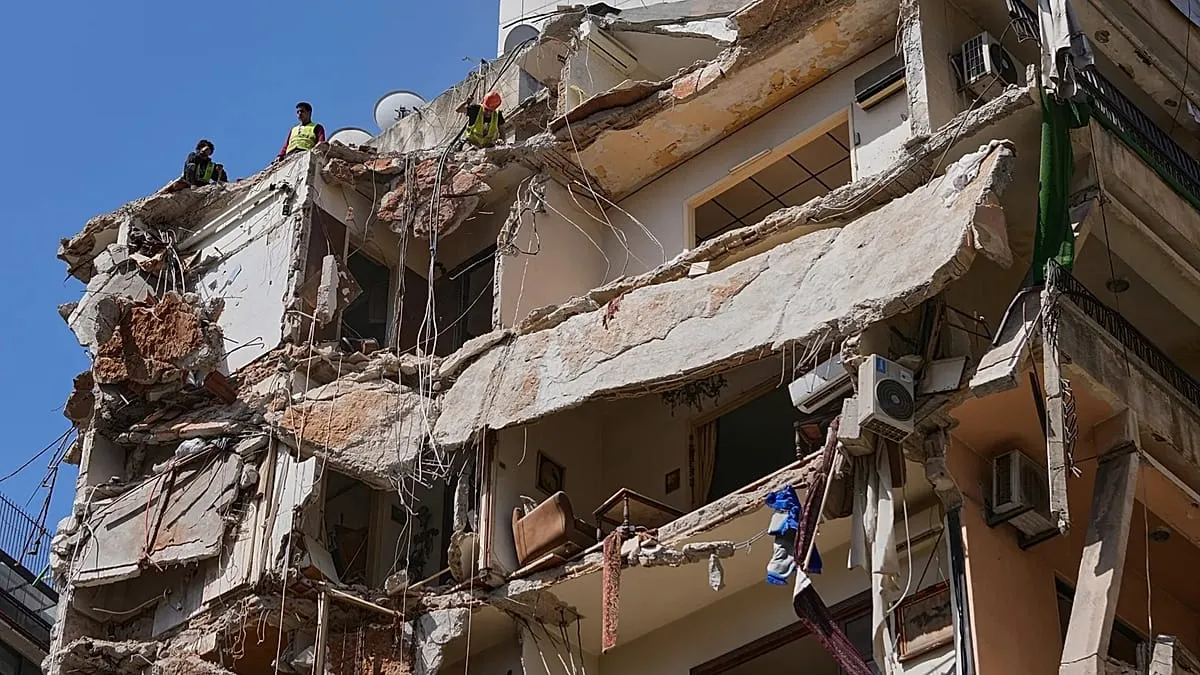
Israel has summoned Italy's ambassador to register a formal diplomatic protest over Italian government comments describing Israeli military operations in Lebanon as "unacceptable attacks," according to reporting by Euronews.
The move signals growing friction between Israel and some of its traditionally allied European nations over the conduct of the broader regional conflict that has engulfed the Middle East.
How Lebanon was drawn into the conflict
Lebanon became a theater in the wider war after the Iran-backed militant group Hezbollah fired rockets into Israeli territory on 2 March, according to Euronews. That cross-border attack came days after what the outlet describes as the opening salvo of U.S.-Israeli strikes that resulted in the death of Iran's supreme leader, Ali Khamenei - a development that dramatically escalated regional tensions.
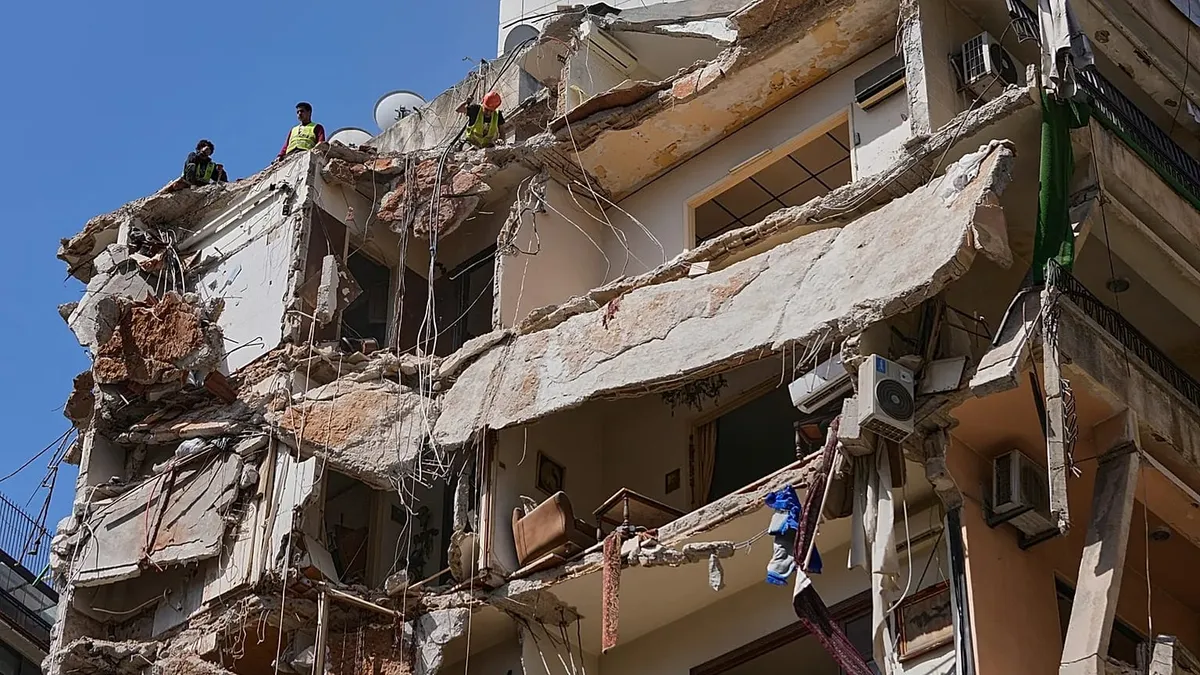
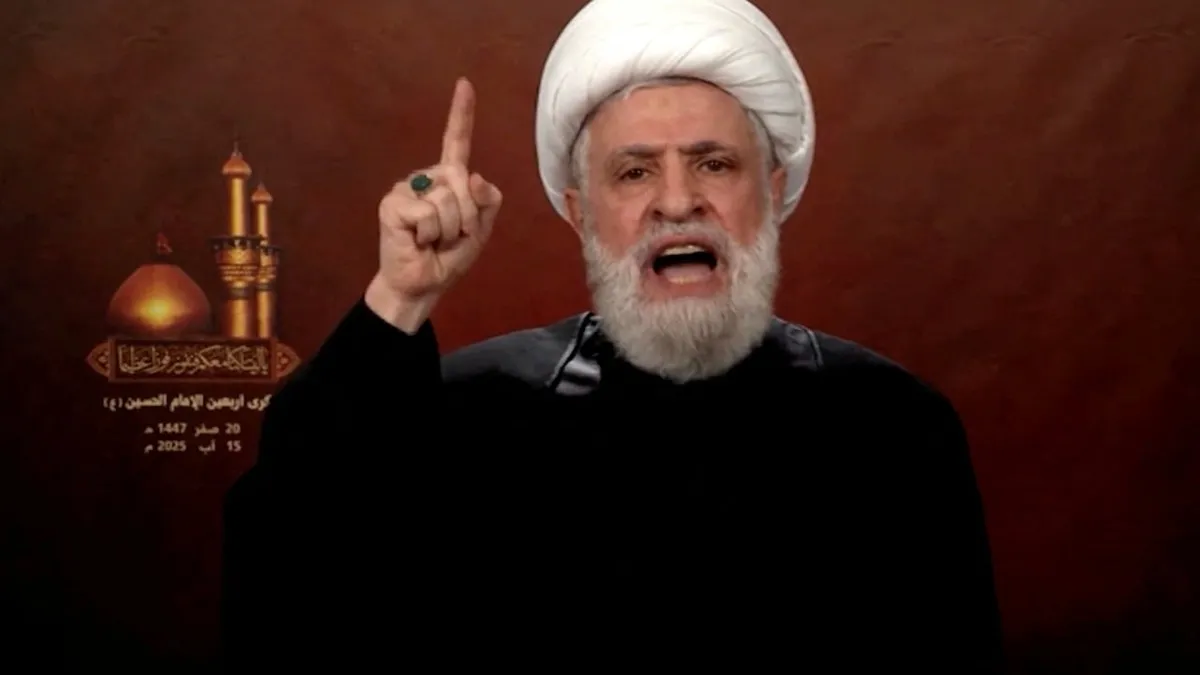
Hezbollah, which maintains a significant military presence in southern Lebanon, has long operated as a proxy force aligned with Tehran. Its decision to open fire on Israel following Khamenei's death drew Lebanon directly into a conflict that had already destabilized much of the region.
Diplomatic fallout with Rome
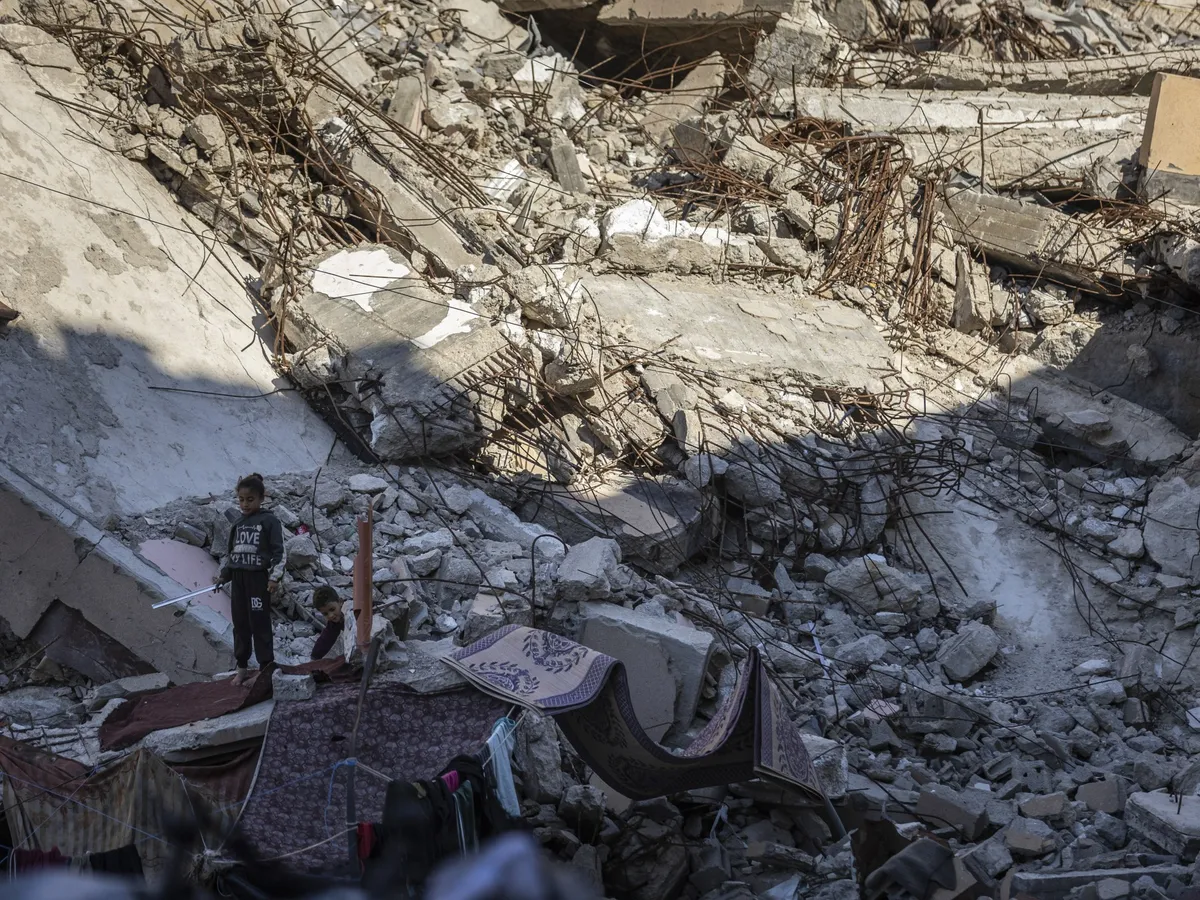
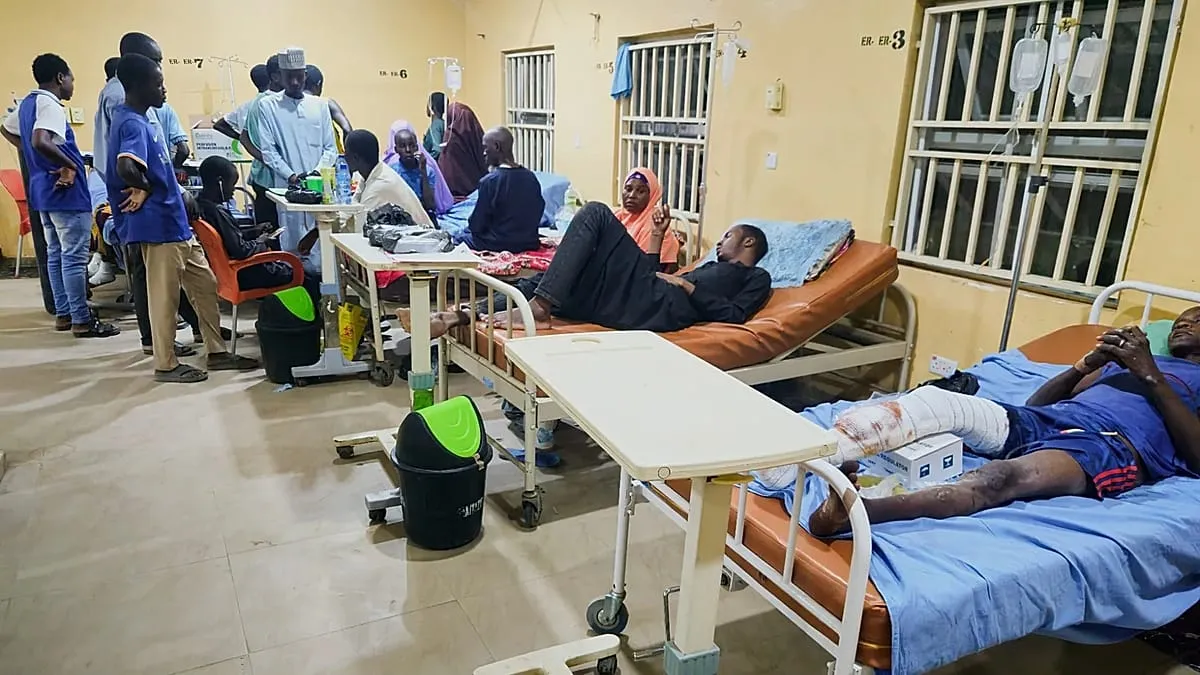
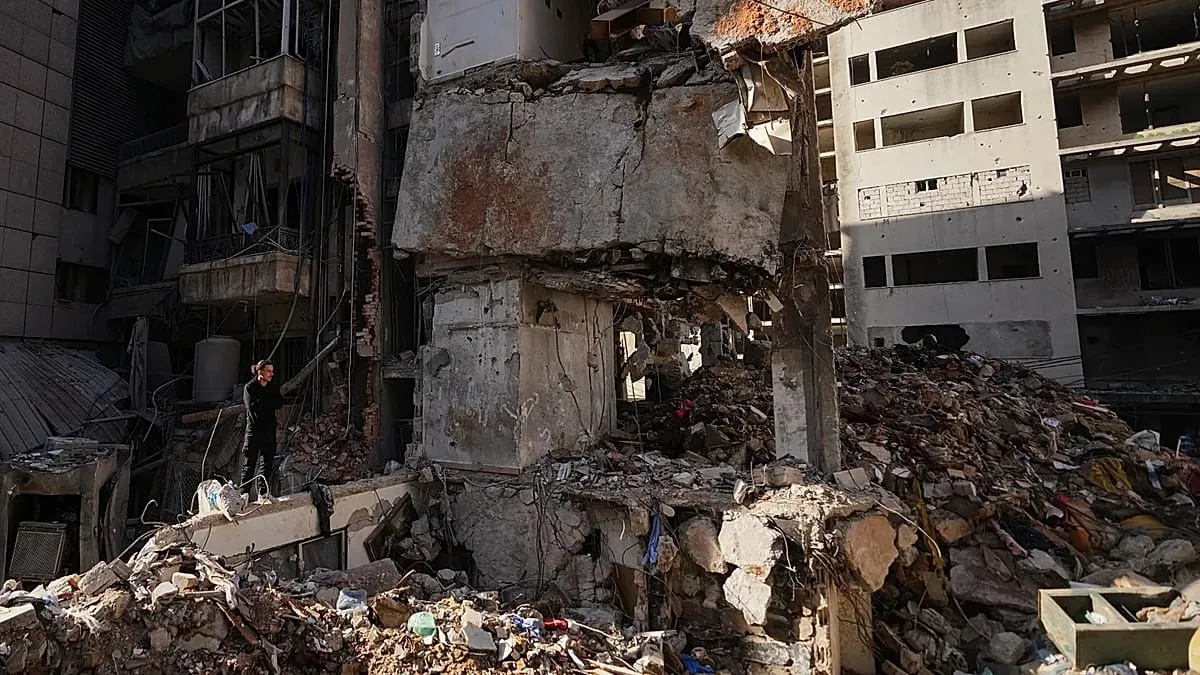
Israel's decision to summon the Italian ambassador reflects the increasing strain between Jerusalem and European governments as civilian conditions in Lebanon deteriorate under ongoing military pressure. Italy's characterization of Israeli operations as "unacceptable" represents a notable departure in tone from Rome, a country that has historically maintained cooperative security ties with Israel.
Summoning an ambassador is a standard but significant diplomatic tool used by governments to formally signal displeasure with another country's statements or actions. It stops short of expelling a diplomat but carries clear symbolic weight in international relations.
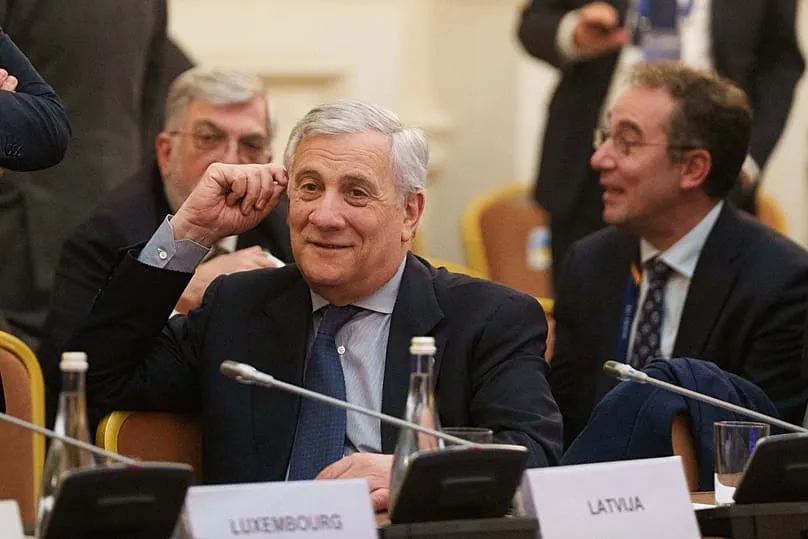
Italy has not been alone among European states in expressing concern over the scale and impact of military operations in Lebanon. Several governments across the continent have called for restraint and greater protection of civilian populations.
A rapidly shifting regional picture
The death of Khamenei, if confirmed, would represent one of the most consequential moments in Middle Eastern geopolitics in decades, with far-reaching implications for Iranian foreign policy and the network of proxy groups Tehran has long supported across the region, including Hezbollah.
The situation along the Israeli-Lebanese border, and the diplomatic reverberations spreading across Europe, are likely to remain closely watched in the coming weeks as governments assess how to respond to the rapidly shifting landscape.