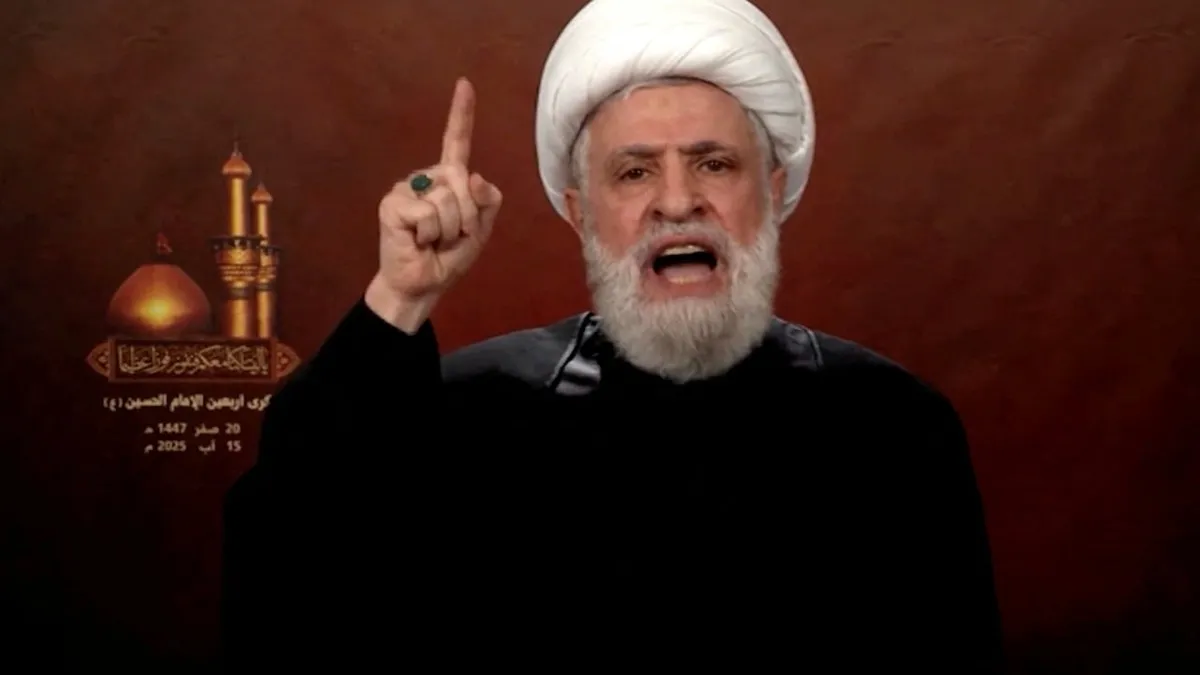
A senior Hezbollah official has stated that the militant group will not consider itself bound by any agreements emerging from ongoing talks between Lebanon and Israel, according to a report by Euronews published April 13, 2026.
The declaration represents a significant complication for diplomatic efforts between the two countries, as Hezbollah remains one of the most powerful armed actors in Lebanon and has historically operated independently of the Lebanese state on matters of war and security.
A long history of conflict
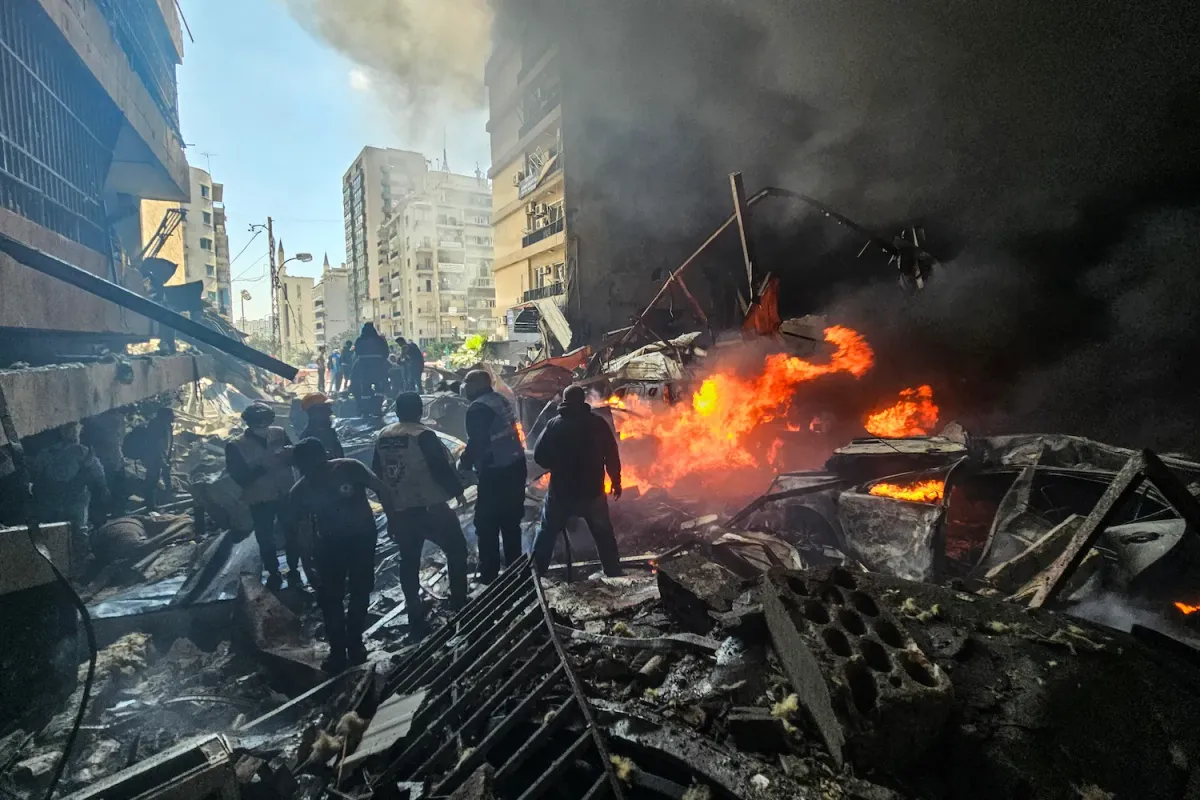
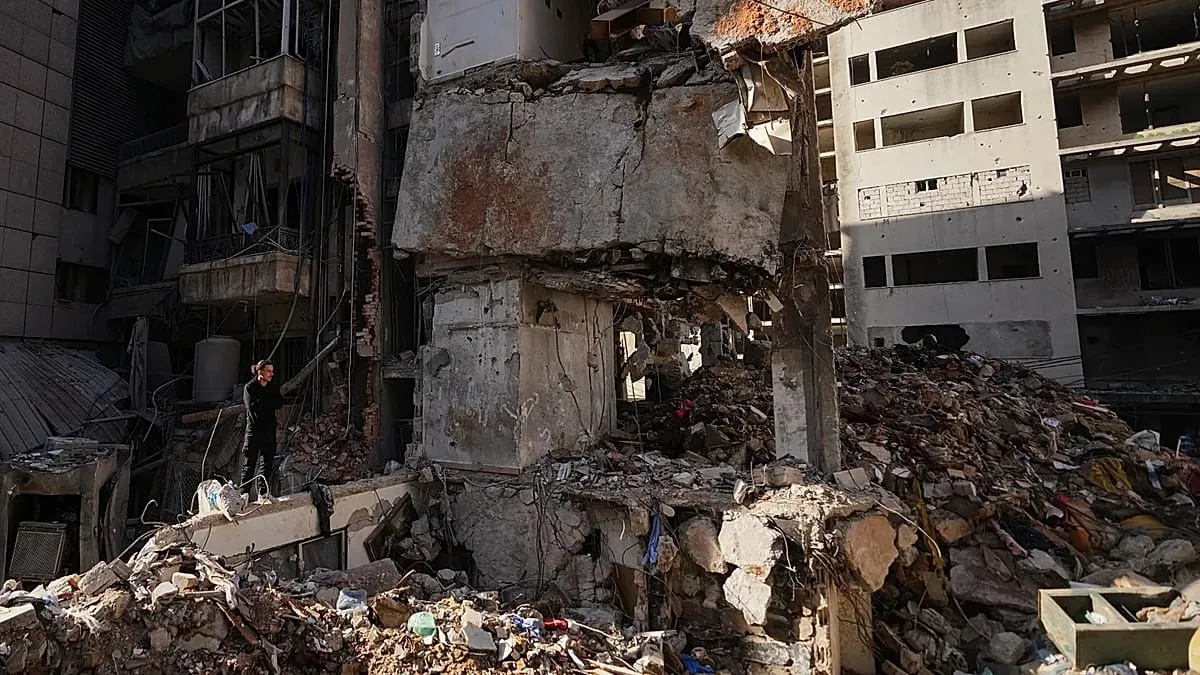
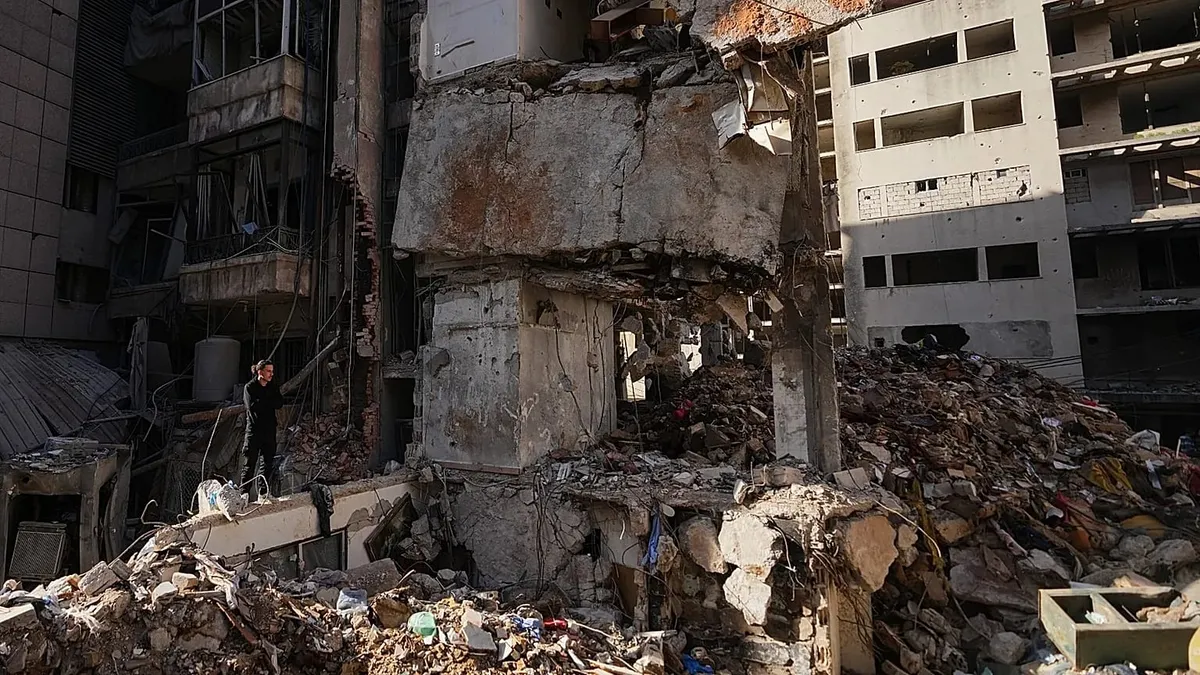
Hezbollah was established in the 1980s as a guerrilla force with the backing of Iran, initially formed in response to Israel's occupation of southern Lebanon at the time. Since then, the group and Israel have fought multiple wars, with hostilities periodically escalating into large-scale military confrontations.
The organization has maintained its own military command structure separate from the Lebanese Armed Forces, and its leadership has historically made independent decisions regarding armed operations against Israel regardless of the positions taken by the Lebanese government.
Implications for diplomacy
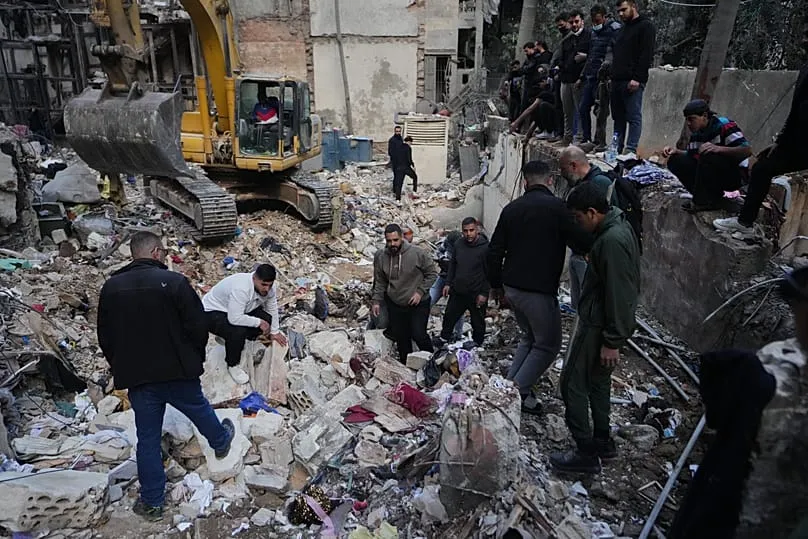
The statement raises questions about the practical enforceability of any agreement reached between Lebanese and Israeli officials. Because Hezbollah operates outside the formal command of the Lebanese state, commitments made by Beirut do not automatically bind the group.
Lebanon and Israel technically remain in a state of war, having never signed a formal peace agreement. Periodic negotiations, often mediated by international parties, have addressed issues including border demarcation, prisoner exchanges, and ceasefire arrangements.
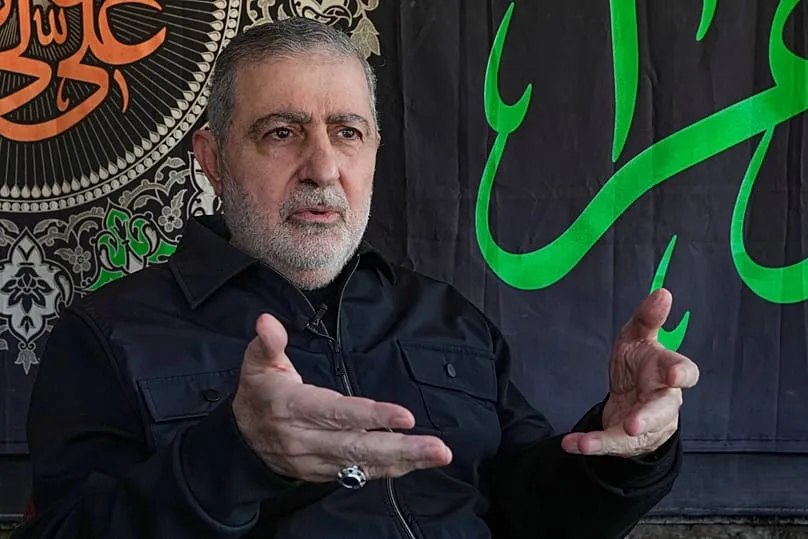
International observers have long noted the dual power structure within Lebanon, where the government in Beirut coexists alongside Hezbollah's parallel political and military apparatus. The group holds seats in the Lebanese parliament and has ministers in the cabinet, while simultaneously maintaining an armed wing that operates according to its own strategic calculations.
Regional context
Hezbollah's posture is closely tied to Iran's broader regional strategy. Tehran has used the group as a key instrument of influence in the Middle East, and any softening of Hezbollah's stance toward Israel would likely require a corresponding shift in Iranian foreign policy.
The group's public rejection of potential diplomatic outcomes signals that even if Lebanese officials reach an agreement with Israel, the implementation of any such deal could face serious obstacles on the ground.
No immediate response from Israeli or Lebanese government officials was cited in the Euronews report.