Here is a fun military paradox for your Tuesday: one of the most technologically sophisticated armed forces on the planet is getting outmaneuvered by drones that, according to sources, resemble children's toys. Welcome to modern warfare, where the most expensive problem might have the cheapest solution - and vice versa.
The $5 drone problem
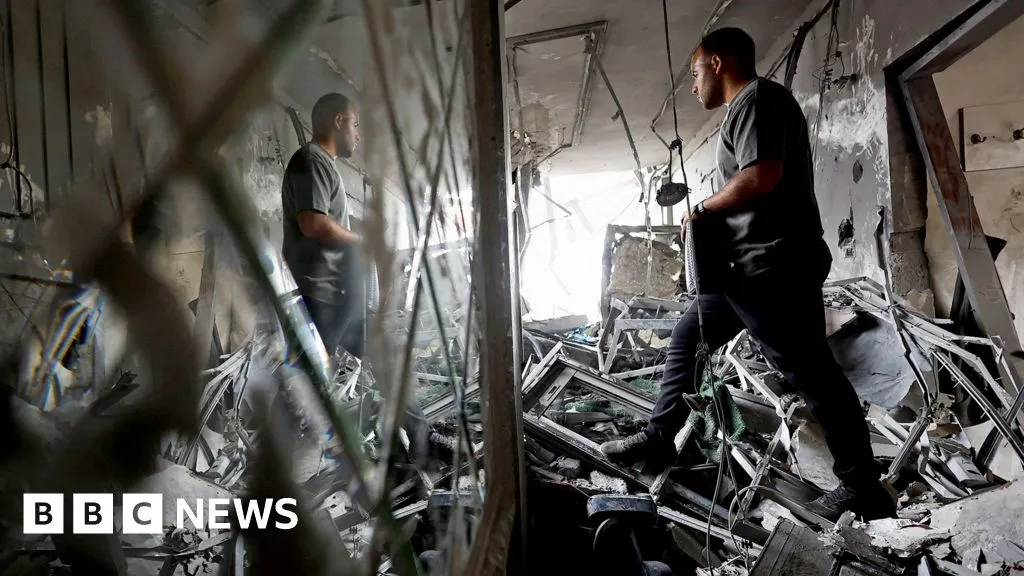
According to reporting by the South China Morning Post, Hezbollah has been deploying small, low-cost fibre-optic drones against Israeli troops in southern Lebanon with alarming effectiveness. The Israeli military has confirmed that two soldiers and one civilian contractor have been killed in separate explosive drone attacks within less than a week - and this is happening despite a ceasefire that has technically been in place since mid-April.
The drones in question are described as small, cheap, and readily available - the kind of hardware that sounds more like it belongs in a hobbyist's garage than on an active battlefield. Yet here we are.
Why fibre-optic changes everything
The fibre-optic component is particularly nasty from a defensive standpoint. Traditional drone jamming relies on disrupting radio frequency signals - cut the signal, down the drone. Fibre-optic guided drones, however, communicate through a physical cable spool rather than over the air, which makes standard electronic countermeasures largely ineffective. You cannot jam a wire.
This forces defending forces into a much harder problem: you either have to physically intercept the drone, shoot it down accurately, or hope the operator makes a mistake. For an army built around high-tech solutions, that is a deeply uncomfortable position to be in.
Adapting or scrambling?
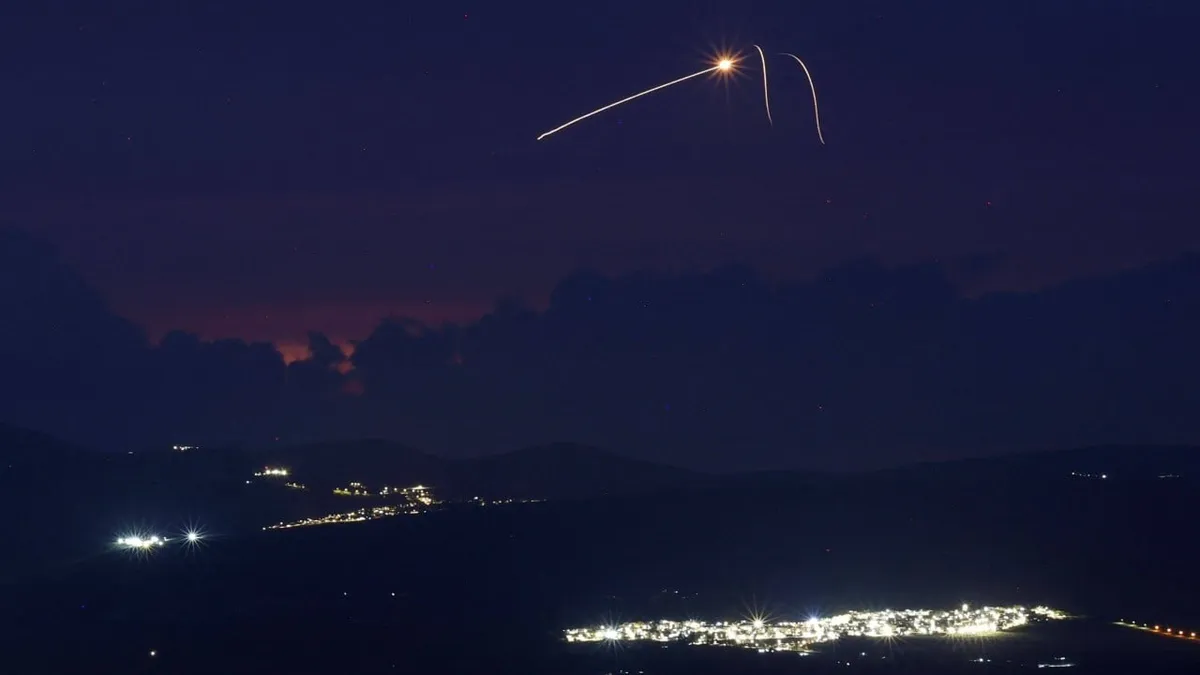
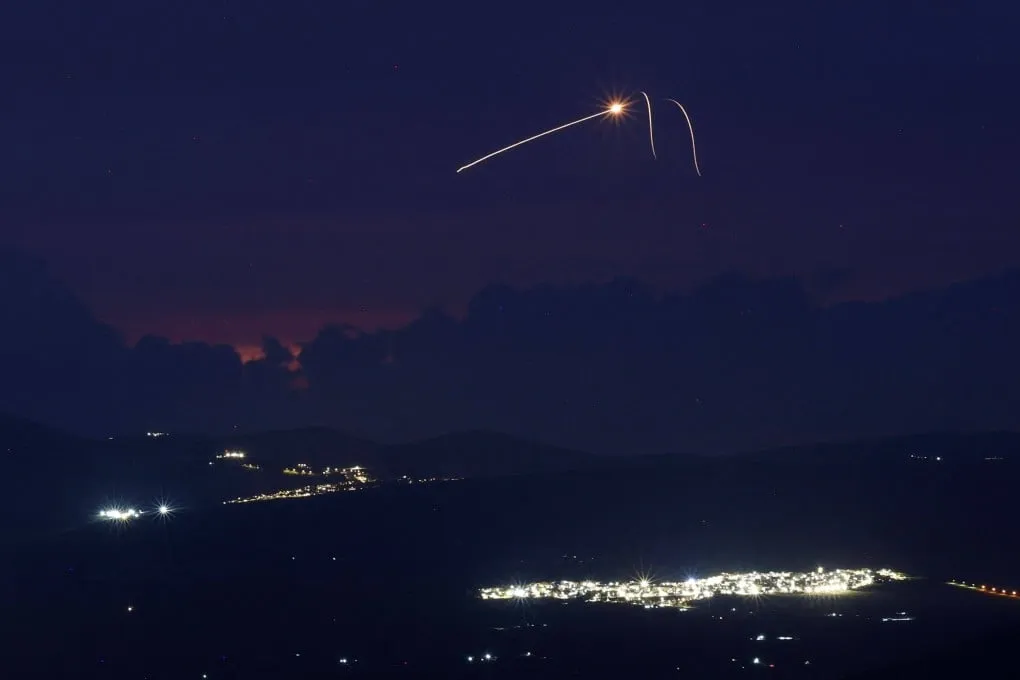
The Israeli military - widely regarded as among the most advanced in the world - has acknowledged the threat and is reportedly adapting its tactics in response. What exactly that adaptation looks like has not been publicly detailed, but the acknowledgment itself is significant. When a military that pioneered Iron Dome is talking openly about adjusting to cheap hobby-grade hardware, something has genuinely shifted.
The broader lesson here is not unique to this conflict. Cheap drone technology has been reshaping battlefields from Ukraine to Sudan, consistently punching above its weight class against conventional military hardware. The asymmetry is almost poetic - and absolutely brutal for the soldiers on the receiving end.
A ceasefire that is not really stopping anyone from dying, drones that look like toys and kill like weapons, and a military superpower forced to rethink its playbook. As the South China Morning Post's reporting makes clear, this is not a minor tactical footnote - it is a preview of what armed conflict increasingly looks like.