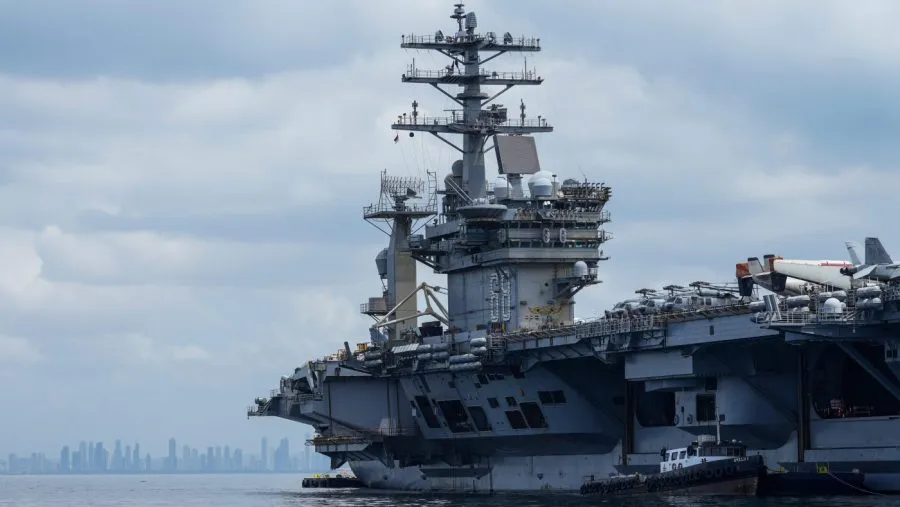
If you thought parallel parking was hard, imagine navigating the world's largest aircraft carrier back into port. The USS Gerald R. Ford - the biggest, baddest, most expensive floating airstrip humanity has ever constructed - has officially returned to U.S. waters, bringing thousands of sailors home from what the Pentagon is calling two defining military missions.
According to CBS News, the Ford Carrier Strike Group's homecoming came with a rather shiny bonus: the Presidential Unit Citation, one of the most prestigious military honors a unit can receive, awarded for heroism and extraordinary performance in action. Not exactly a participation trophy.
So what did they actually do out there?
The strike group was deployed across two significant operational missions, the details of which CBS News reports were substantial enough to earn the direct attention of Pentagon brass. The Presidential Unit Citation - which is essentially the military's equivalent of a standing ovation from the entire country - is not handed out for routine patrols or bureaucratic box-checking. Getting one means something genuinely remarkable happened on those deployments.
The USS Gerald R. Ford itself is no ordinary ship. It is the lead vessel of its own class of supercarrier, stretching nearly 1,100 feet in length and displacing over 100,000 tons of water. It runs on nuclear power, fields dozens of aircraft, and carries a crew complement that would populate a small town. Commissioning it cost somewhere in the neighborhood of $13 billion, which means every sailor on board is essentially riding the world's most expensive taxpayer investment.
Thousands of reunions on the pier
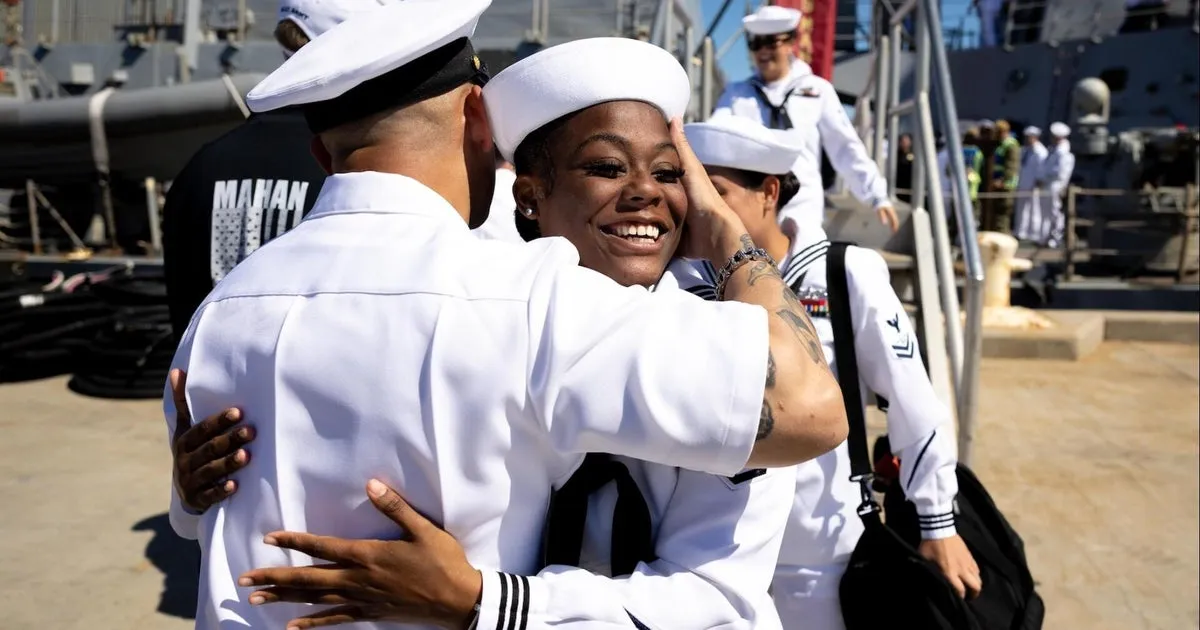
Beyond the hardware and the hardware-store-sized citation, the real story is the thousands of sailors finally reuniting with their families. Deployments on carrier strike groups typically last six to nine months, sometimes longer depending on operational tempo - meaning a lot of missed birthdays, holidays, and life moments that don't pause just because you're somewhere in the middle of the ocean doing classified things.
The scenes at homecoming events for carrier groups are reliably among the most emotionally charged moments in American military life, with families lining the piers for hours before the ships even appear on the horizon.
The Ford's return marks the close of a significant chapter for a carrier that has had its share of headlines - the ship faced considerable scrutiny during its early years over technical delays and cost overruns, but its operational record appears to be doing a solid job of writing over that narrative.
Source: CBS News