Japan is arguably the world's most professionally paranoid country when it comes to energy security. Decades of meticulous preparation, strategic reserves, diversified supply chains, diplomatic hedging - the whole nine yards. And yet, according to a Foreign Policy analysis published June 2, 2026, the ongoing Gulf crisis is doing something Tokyo genuinely did not see coming: narrowing its options rather than triggering its carefully rehearsed playbook.
The problem with preparing for the last crisis
Japan imports roughly 90% of its energy needs, making it one of the most exposed developed economies on the planet to any serious disruption in Middle Eastern supply routes. The country learned this the hard way during the 1973 oil shock, and has spent the better part of five decades building buffers - government-held strategic petroleum reserves, long-term supply contracts, and a foreign policy laser-focused on keeping its Gulf partners happy.
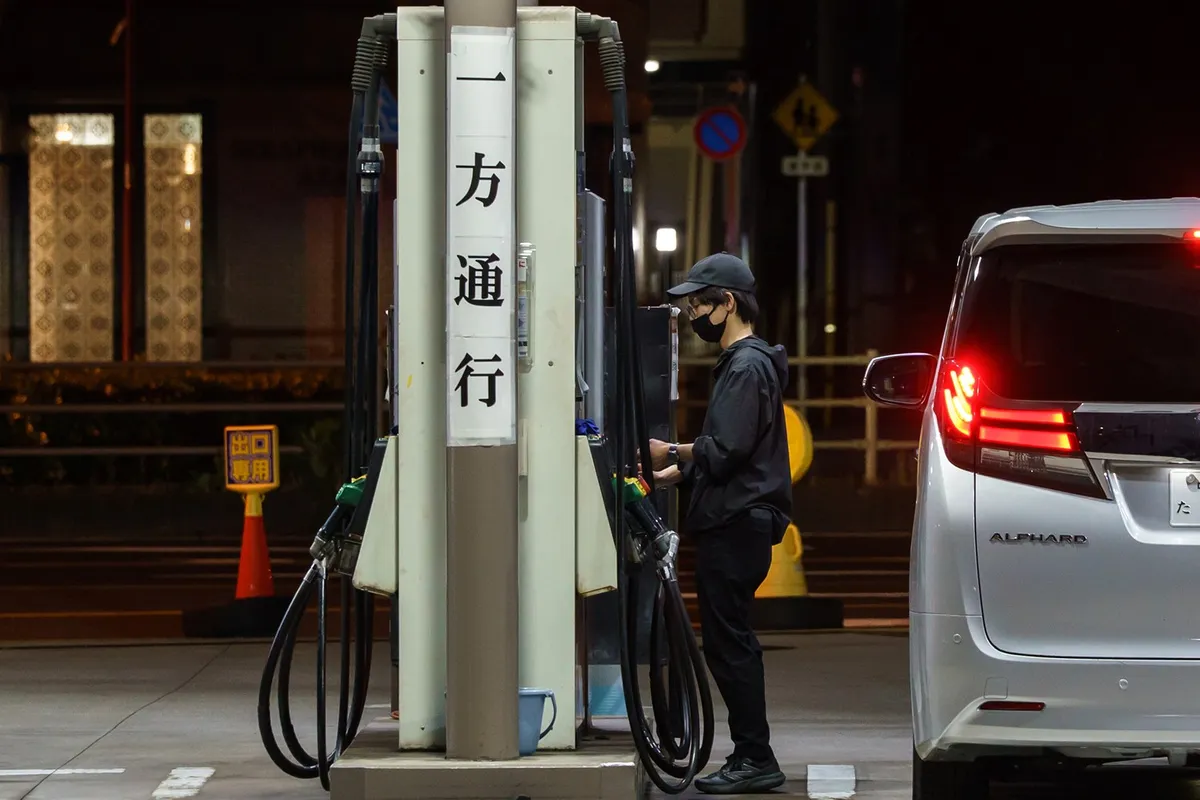
The current Gulf crisis, however, appears to be stressing the system in ways that pre-planned contingencies struggle to address. Tensions involving Iran and regional instability are not just threatening supply - they are scrambling the very diplomatic relationships and alternative routes that Tokyo had quietly banked on as its backup plans.

Nuclear: the option Tokyo keeps not quite taking
Foreign Policy's reporting highlights that Japan is once again staring at its domestic nuclear capacity with the kind of conflicted expression usually reserved for an ex you know you probably shouldn't call. Post-Fukushima restarts have been slow, politically painful, and socially contentious. But with Gulf supply under pressure and LNG markets tightening globally, the calculus is shifting - again.

Japan's energy rethink is not purely academic. Industrial competitiveness, household electricity costs, and broader economic planning all hinge on getting this right. A wrong call ripples hard through an economy that is already navigating demographic decline and sluggish growth.
The options left on the table
- Accelerating nuclear restarts, which face significant public and regulatory resistance
- Doubling down on renewables, which cannot fill the gap at the required speed
- Securing alternative LNG contracts, in a market where everyone else is doing the same thing simultaneously
- Diplomatic maneuvering to stay neutral and keep Gulf supply lines functional
None of these are clean answers, and Japan knows it. The country that turned energy preparedness into something of a national sport is discovering that preparation, however thorough, cannot fully future-proof against a crisis that reshapes the board itself.
As Foreign Policy frames it, Tokyo spent decades getting ready for disruption - and now finds itself in a situation where the disruption is specifically good at dissolving the preparation. Not a great look for the A-student of global energy planning.