In what diplomats are calling a very bad week for the calendar app, Switzerland announced Thursday that the eagerly anticipated US-Iran talks have been postponed indefinitely - just as US Vice President JD Vance quietly cancelled his trip to Geneva. The timing, as they say, is everything.
According to reporting by France24, the Swiss government confirmed the postponement without offering a rescheduled date, leaving the diplomatic community in a state of polite, well-dressed confusion. The talks had been positioned as a potential breakthrough moment in the long and deeply exhausting saga of US-Iran nuclear negotiations.
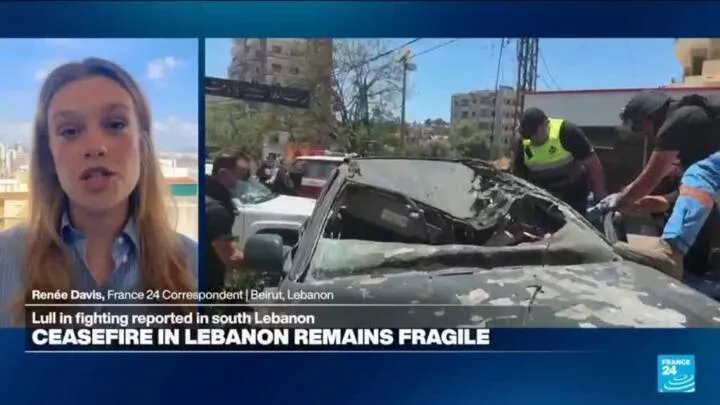
Iran's supreme leader is not exactly popping champagne
Even before the postponement was formalized, Iran's Supreme Leader Ali Khamenei had already been publicly skeptical about any potential deal - which, if you're looking for signs of a smooth negotiation process, is not one of them. His public reservations add a significant layer of uncertainty to whether these talks will actually produce anything meaningful when and if they do eventually happen.
Vance's cancellation of his Geneva trip only deepens the fog. No official explanation has been provided for why the Vice President pulled out, and the White House has not offered details as of the time of reporting.
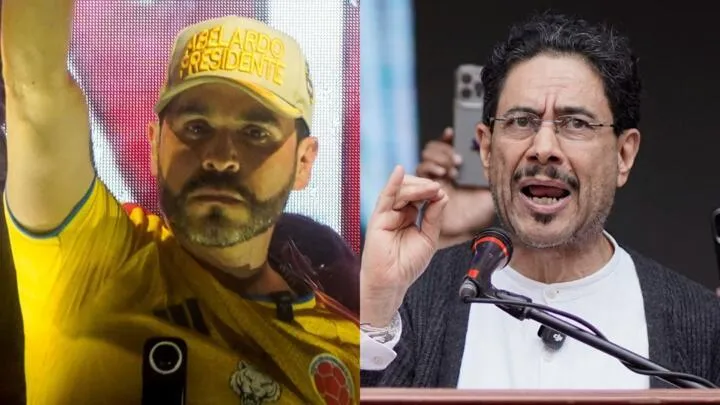
Meanwhile, Lebanon is very much on fire
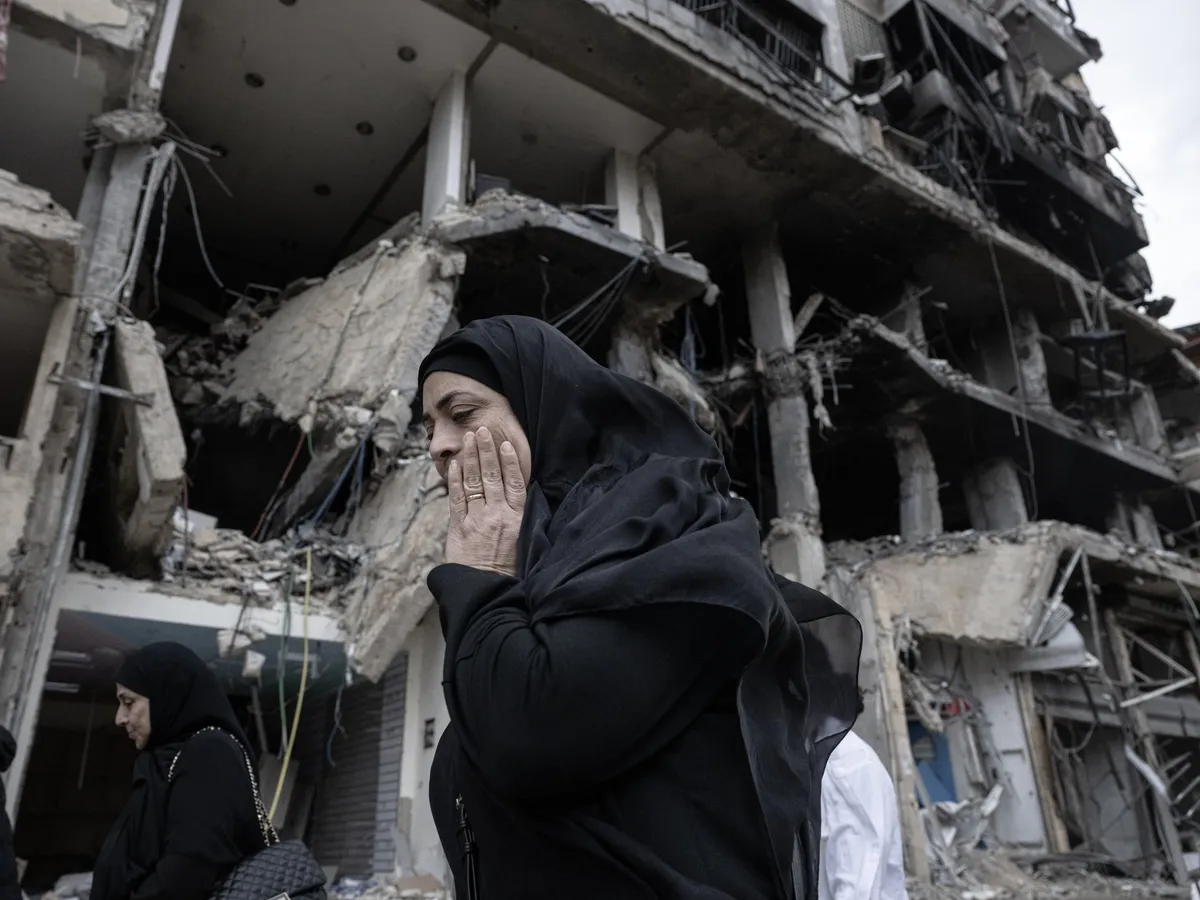
While diplomats were busy not meeting in Switzerland, the situation in southern Lebanon continued its brutal trajectory. France24 reports that on the morning of June 19, Lebanese authorities confirmed 16 people were killed in fighting between Israeli forces and Hezbollah.
Hezbollah also struck back, reportedly killing four Israeli soldiers in a separate engagement. The exchange underscores just how fragile - and frankly alarming - the security situation in the region remains, with no meaningful ceasefire in sight.
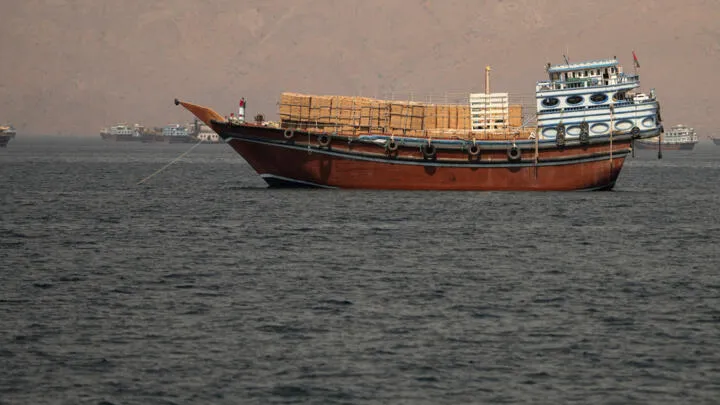
The bigger picture: a very tangled web
The postponement of US-Iran talks isn't happening in a vacuum. Iran has long been accused by the US and Israel of supplying Hezbollah with weapons and funding, and the continued fighting in Lebanon makes the diplomatic atmosphere for any kind of nuclear deal considerably more combustible.
Whether the postponement is a tactical pause, a soft collapse, or just a scheduling conflict of historic proportions remains unclear. What is clear is that the region is in a precarious moment, and the adults who were supposed to be in the room are, for now, in different buildings entirely.
Source: France24