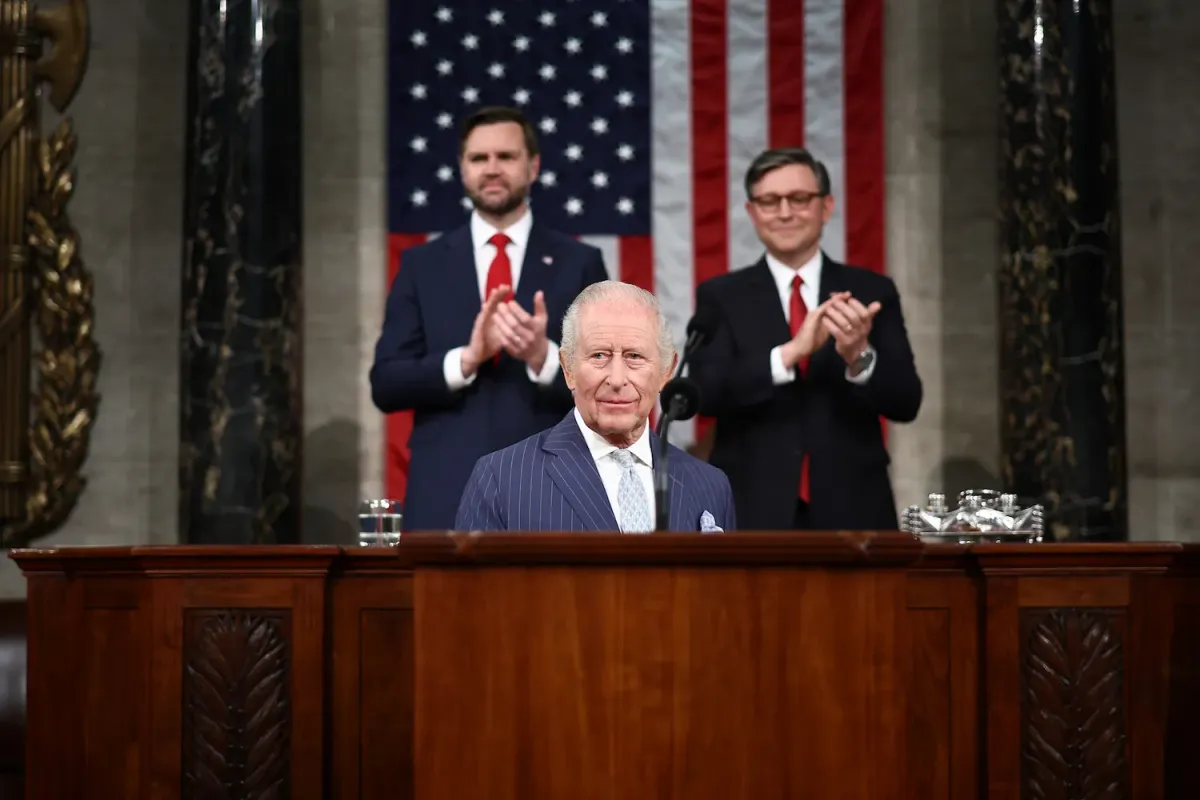
King Charles III addressed a joint session of the U.S. Congress on Monday, delivering remarks that praised international institutions, warned of the dangers of climate change, and celebrated diversity - positions that stand in notable contrast to several policies pursued by the current U.S. administration, according to Foreign Policy.
The address marked a rare appearance by a sitting British monarch before the American legislature and was closely watched for its diplomatic undertones. Charles used the occasion to make a broad case for the value of multilateral cooperation, stopping short of naming any specific disagreements with Washington but speaking in terms that observers described as pointed given the current political climate.

Defense of international institutions
The king spoke positively about the multilateral institutions that have underpinned Western alliances since the post-World War II era, including references widely interpreted as supportive of NATO and ongoing international engagement on the conflict in Ukraine. The remarks come at a time when the Trump administration has raised questions about the United States' commitments to both.
Charles did not explicitly criticize U.S. policy, a constraint consistent with the constitutional role of the British monarch, who is expected to remain above partisan politics. However, the substance of his remarks aligned closely with positions held by European governments that have clashed with Washington on issues ranging from defense spending to trade.

Climate and diversity
The king, who has spent decades as a prominent advocate for environmental causes, used his congressional platform to warn about the consequences of inaction on climate change. His appearance before Congress on this topic carries symbolic weight at a moment when the U.S. has moved to roll back several environmental regulations and withdraw from international climate frameworks.
Charles also spoke in favor of diversity, another area where his remarks diverged from the domestic policy direction of the current U.S. administration, which has taken steps to curtail diversity, equity, and inclusion programs across federal agencies.
Diplomatic context
The visit reflects the enduring importance both countries place on the so-called special relationship between the United Kingdom and the United States, even as the two governments navigate areas of policy disagreement. British officials have sought to maintain strong ties with Washington while also preserving commitments to European partners and international bodies.
The address was welcomed by Democratic members of Congress, while reactions from Republican lawmakers were more muted, according to Foreign Policy's reporting. The full text and official responses from the White House had not been published at the time of reporting.