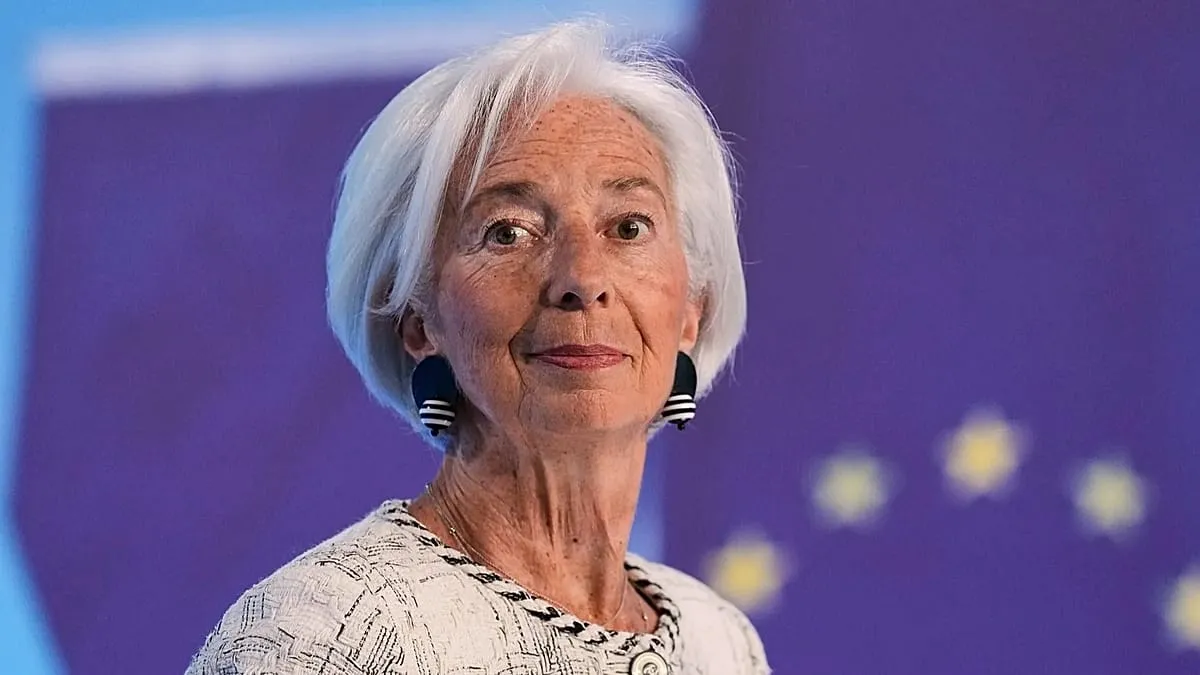
European Central Bank president Christine Lagarde has come out swinging in defence of the ECB's decision to keep interest rates elevated, telling critics the move is - and we quote - "robust across three scenarios." Which three scenarios? Great question. Presumably not the one where everyone's disposable income evaporates.
The defence
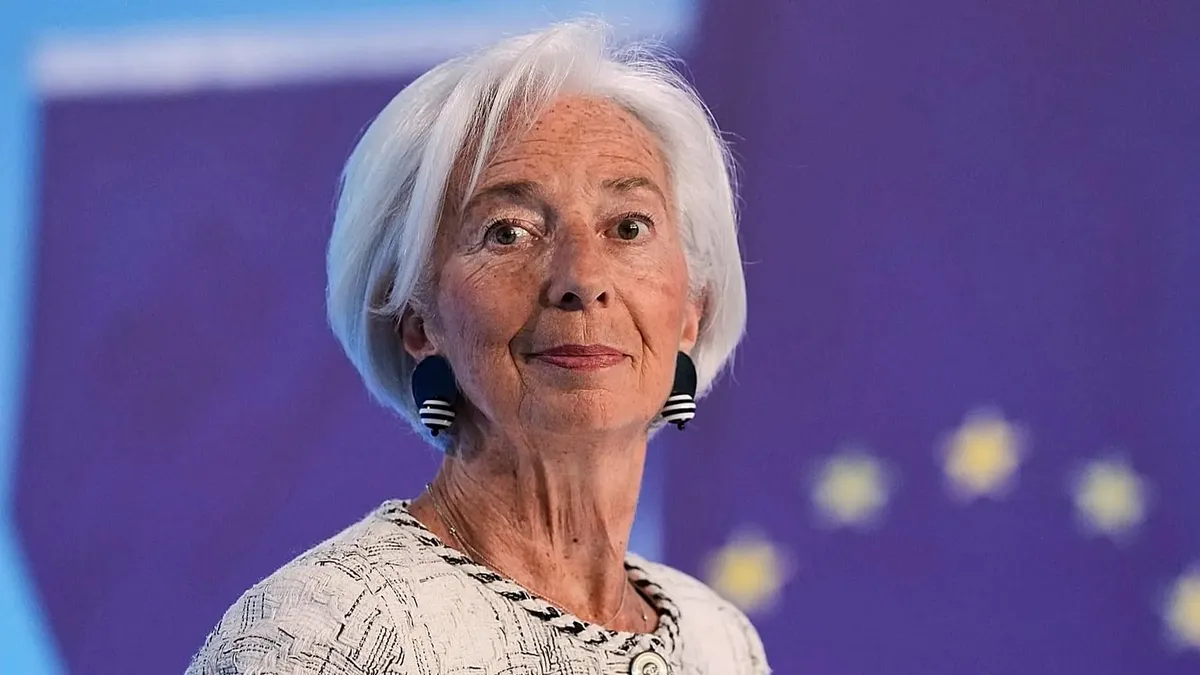
According to reporting by Euronews, Lagarde made her case publicly as scrutiny of the ECB's rate policy intensifies. The central bank has chosen to maintain higher borrowing costs as part of its ongoing effort to bring inflation under control across the eurozone. The "three scenarios" framing appears to be Lagarde's way of signalling that the ECB has stress-tested its decision against multiple economic outcomes - a reassurance that, depending on your mortgage situation, lands very differently.
The concern
Not everyone is buying the confidence. Critics have raised two fairly significant objections that tend to keep economists up at night:

- Keeping rates high could damage productivity across the eurozone, essentially punishing businesses and households while the central bank waits for inflation to behave itself.
- Even with this strategy, inflation may not return to the ECB's 2% target until 2027 - a timeline that makes the current pain feel less like a short sharp shock and more like a slow, expensive slog.
The combination of those two concerns is the economic equivalent of being told the medicine is working, but also the medicine might be making you sick, and also it'll take another two years.
Why this matters
Interest rate decisions by the ECB ripple across the entire eurozone economy. Higher rates mean more expensive loans for businesses looking to invest and households trying to buy homes. If critics are right that this policy is actively suppressing productivity, the ECB could end up in the uncomfortable position of having caused economic damage in pursuit of an inflation target it doesn't even hit on schedule.
Lagarde's "three scenarios" defence is, in fairness, a standard piece of central bank communication - policymakers routinely model multiple economic paths before making decisions. The question critics are really asking is whether the ECB has weighted those scenarios correctly, or whether it is being too hawkish for too long.
As of publication, the eurozone's inflation and your ability to afford a flat remain works in progress. Euronews has the full details on Lagarde's defence at the source.