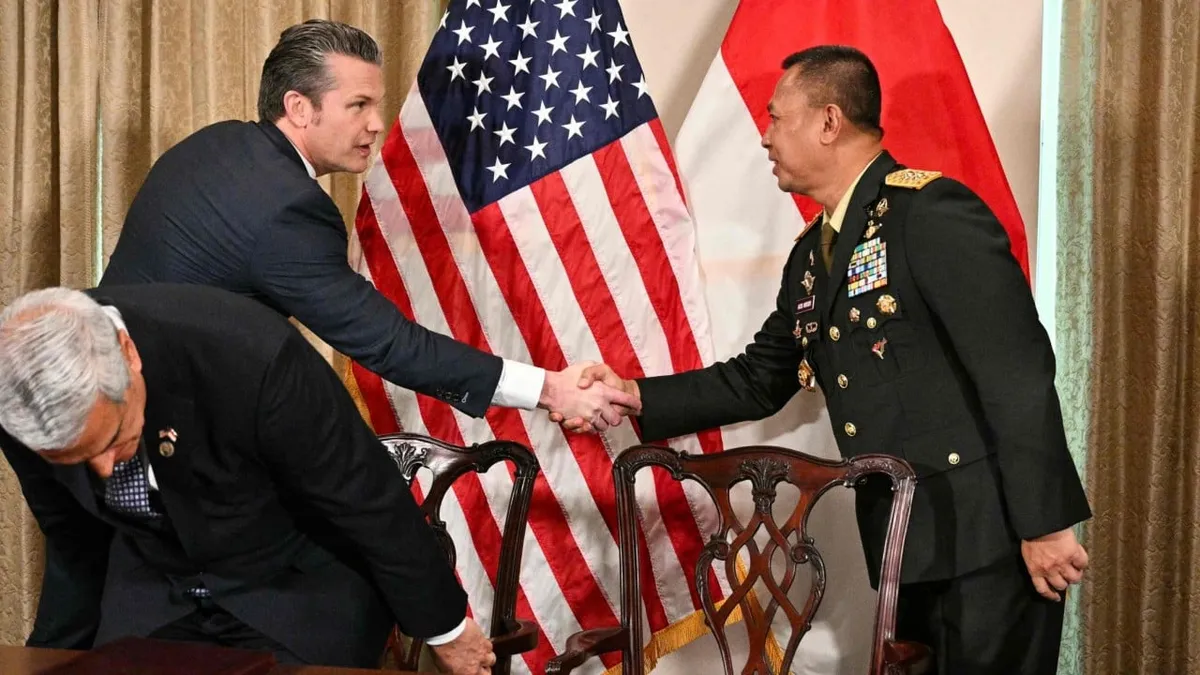
A leaked defence document reportedly outlining a plan to grant the United States military broad overflight access to Indonesian airspace has ignited a sharp political controversy in Jakarta, with critics accusing the government of abandoning the country's long-standing principle of strategic independence.
The document, first reported by the New Delhi-based newspaper the Sunday Guardian, emerged following an alleged meeting in February between Indonesian and American officials. Its contents have prompted domestic backlash, with some Indonesian voices warning that the arrangement would effectively position Jakarta as complicit in Washington's ongoing military conflict with Iran.
Analysts cited by the South China Morning Post say the proposal raises serious questions about the foreign policy direction of President Prabowo Subianto, who took office in October 2024. Indonesia has historically adhered to a "free and active" foreign policy doctrine, avoiding formal military alliances and seeking to remain neutral in great power disputes.
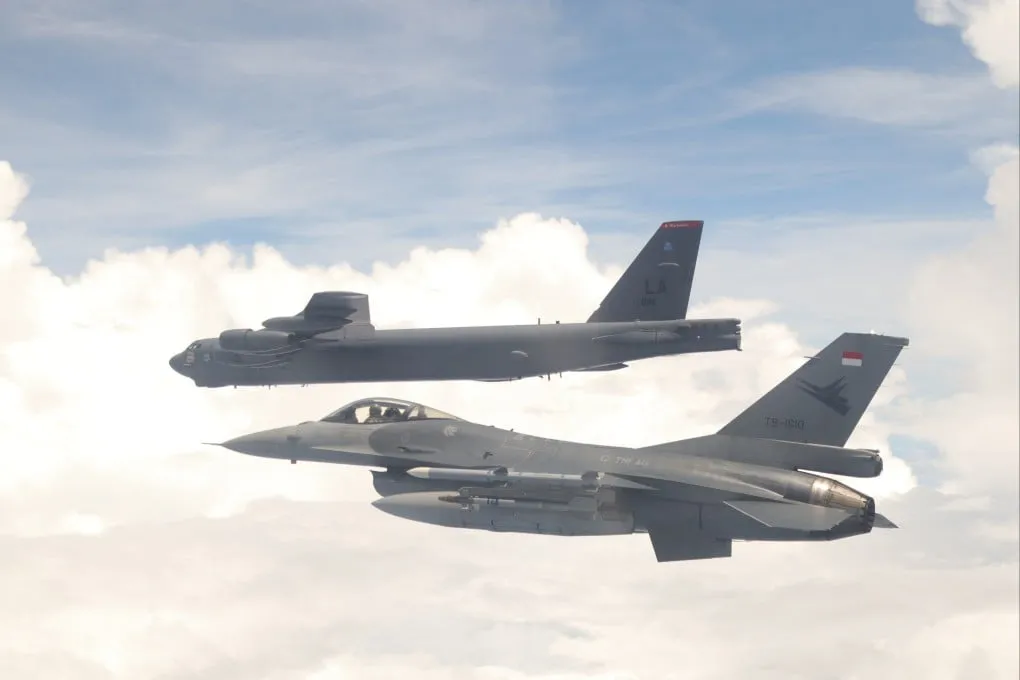
Critics of the reported plan have been pointed in their language, with some characterising the arrangement as Indonesia "colluding with the aggressor" - a reference to the United States' military campaign against Iran.
Strategic independence under scrutiny
The controversy comes at a sensitive moment for Indonesian foreign policy. Prabowo, a former military general, has signalled a more pragmatic and engagement-focused approach toward major powers, including the United States. However, that posture is now drawing scrutiny from those who argue it risks undermining Indonesia's credibility as a neutral actor in international affairs.
Analysts note that granting the US military routine overflight access would carry significant symbolic and practical weight, potentially signalling closer alignment with Washington at a time when many countries in the Global South are seeking to distance themselves from the US-Iran conflict.
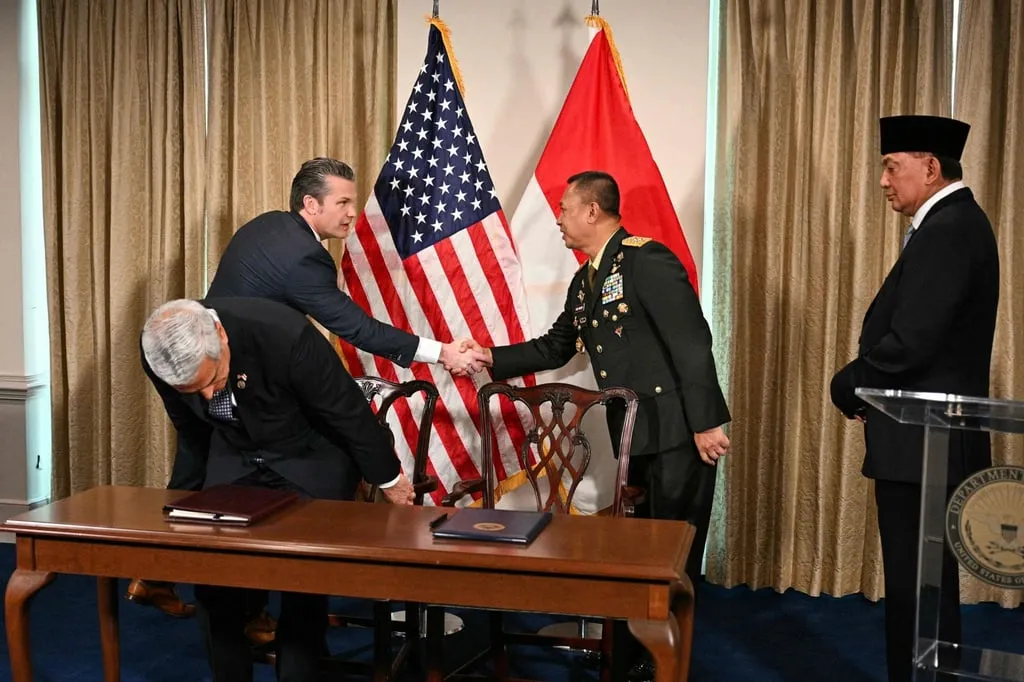
Indonesia is the world's largest Muslim-majority country, and public sentiment regarding American military action in the Middle East has historically been critical. That domestic context makes the political stakes of the leaked document particularly acute for the Prabowo administration.
Government response unclear
As of the time of reporting, Indonesian officials had not publicly confirmed or denied the authenticity of the leaked document, nor had they provided a formal statement on the specific terms of any defence discussions held with US counterparts in February.
The episode reflects broader tensions facing Southeast Asian nations as they navigate increasing pressure from both the United States and China to align more closely with one side or the other in competing geopolitical blocs. For Indonesia, which has sought to position itself as a leading voice of the non-aligned developing world, the leaked plan represents a significant test of that ambition.