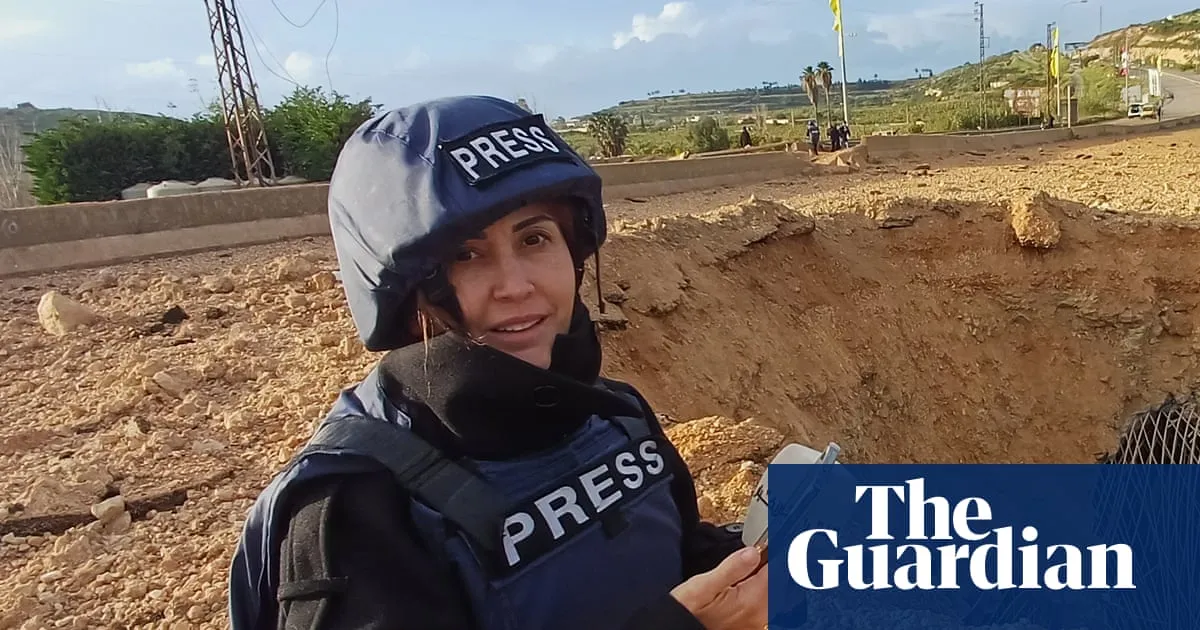
Two journalists covering the ongoing conflict in southern Lebanon found themselves on the wrong end of Israeli airstrikes on Wednesday, in an incident that has drawn sharp condemnation from press freedom advocates and Lebanese officials alike.
According to Lebanon's health ministry, a senior Lebanese military official, and press advocacy groups - as reported by The Guardian - journalist Amal Khalil was left trapped under rubble following an Israeli strike, while colleague Zeinab Faraj was wounded in the same attack. The situation was made significantly worse, Lebanese officials claim, by continued Israeli fire that temporarily prevented rescue teams from reaching Khalil.
In other words: not only did the strike trap a journalist under a pile of debris, but rescuers allegedly couldn't get to her for hours because the area was still being hit. That's the kind of detail that tends to make press freedom organizations lose their minds - and understandably so.
What Israel says
The Israeli military, for its part, issued a statement saying it had received reports that two journalists were involved in the incident. The statement did not directly address the Lebanese claim that rescue efforts were blocked by ongoing fire.
Israel and Lebanon have been engaged in cross-border hostilities that have escalated dramatically in recent years, with southern Lebanon bearing the brunt of Israeli strikes targeting Hezbollah infrastructure and personnel. Journalists covering the region have increasingly found themselves in the line of fire - sometimes literally.
Why this matters beyond the headlines
The targeting - or incidental wounding - of journalists in conflict zones is governed under international humanitarian law, which requires all parties to take precautions to protect civilians, including members of the press. Whether intentional or not, strikes that hit journalists and then allegedly prevent medical access to the wounded raise serious questions under those frameworks.
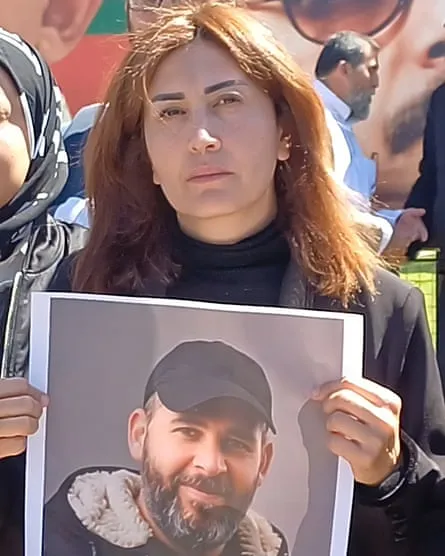
Press freedom groups have been ringing alarm bells about journalist safety in Lebanon for some time now. Wednesday's incident is unlikely to quiet those concerns.
As of the time of reporting, Amal Khalil had been pulled from the rubble after the hours-long ordeal. The full extent of injuries to both journalists had not been officially confirmed.
The Guardian, which first reported the incident, cited Lebanon's health ministry and a senior military official as sources, alongside statements from press advocates. The Israeli military's response acknowledged reports of the incident but offered limited detail.