In what may be the most dramatic policy reversal since someone invented the U-turn, Iran declared the Strait of Hormuz open for maritime traffic - then promptly changed its mind within hours, according to reporting by Euronews.
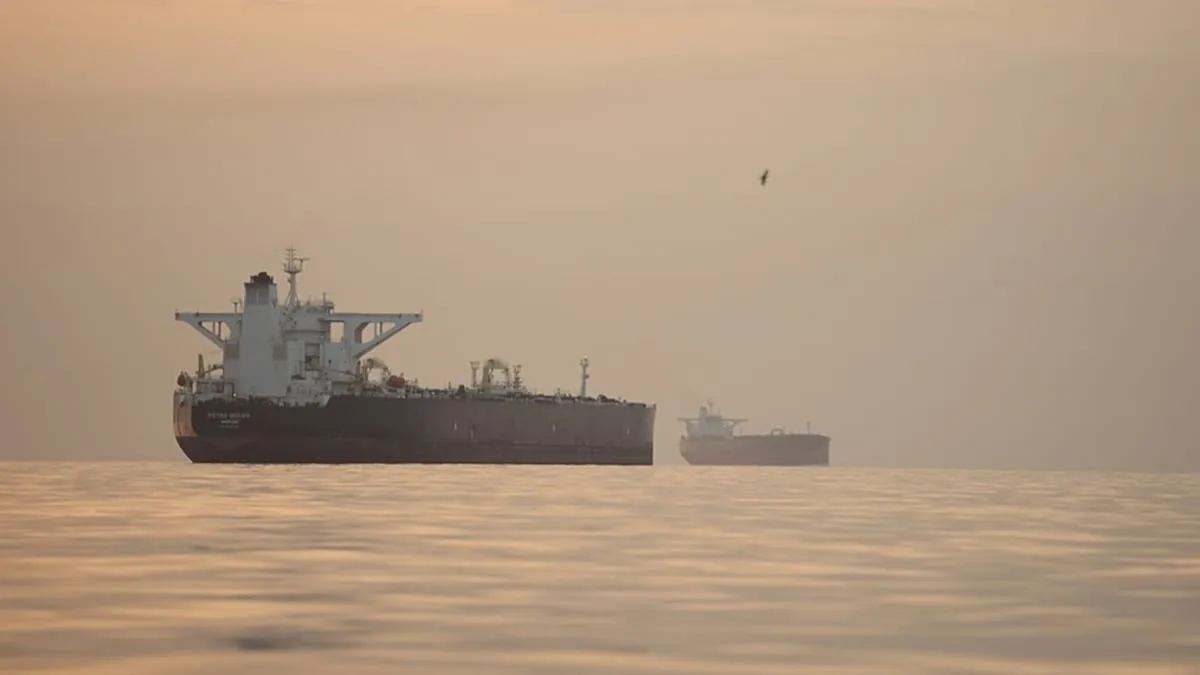
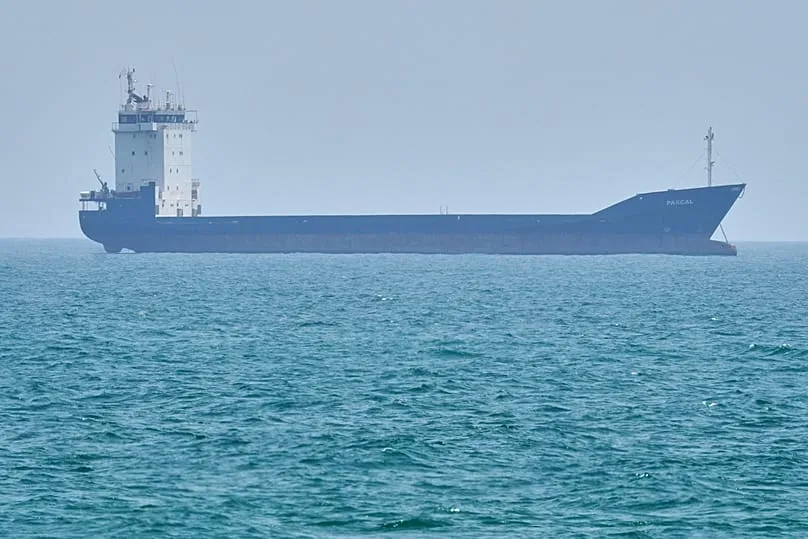
Here is what happened: the United States seized an Iranian-flagged vessel near the Strait of Hormuz and made clear its naval blockade of Iranian ports would continue despite an ongoing ceasefire being in place. Tehran, understandably not thrilled about this, vowed a swift response.
And swift it was - Iran reversed its decision to reopen one of the world's most critical shipping lanes and reportedly began firing at vessels attempting to transit the strait.
Why this stretch of water matters so much
For anyone who skipped geography class, the Strait of Hormuz is the narrow chokepoint between the Persian Gulf and the Gulf of Oman. Roughly 20% of the world's oil supply passes through it on any given day. When things get spicy there, global energy markets tend to have a full-on meltdown.
The timing here is particularly chaotic. A ceasefire was supposedly in effect, yet the US maintained its naval blockade regardless - which is the kind of move that makes ceasefire agreements feel more like polite suggestions than binding commitments.
The US position
Washington's stance, per the Euronews report, is that the naval blockade of Iranian ports will remain active regardless of the ceasefire status. No wiggle room, no asterisks. This is apparently the kind of diplomatic nuance that turns a tentative peace into a very tense Tuesday.
What this means for everyone else
Ships trying to pass through the strait now face the uncomfortable situation of potentially being fired upon - which, for commercial shipping operators, ranks somewhere between "bad" and "catastrophically bad" on the risk assessment scale.
Energy analysts and maritime insurers are almost certainly having the worst week of their professional lives right now, and oil traders are probably refreshing their screens with the frantic energy of someone who left their oven on at home.
The broader conflict between Washington and Tehran has now spilled directly onto one of the planet's most economically sensitive waterways, and with both sides digging in, the situation near the strait remains dangerously fluid - pun very much intended.
Source: Euronews