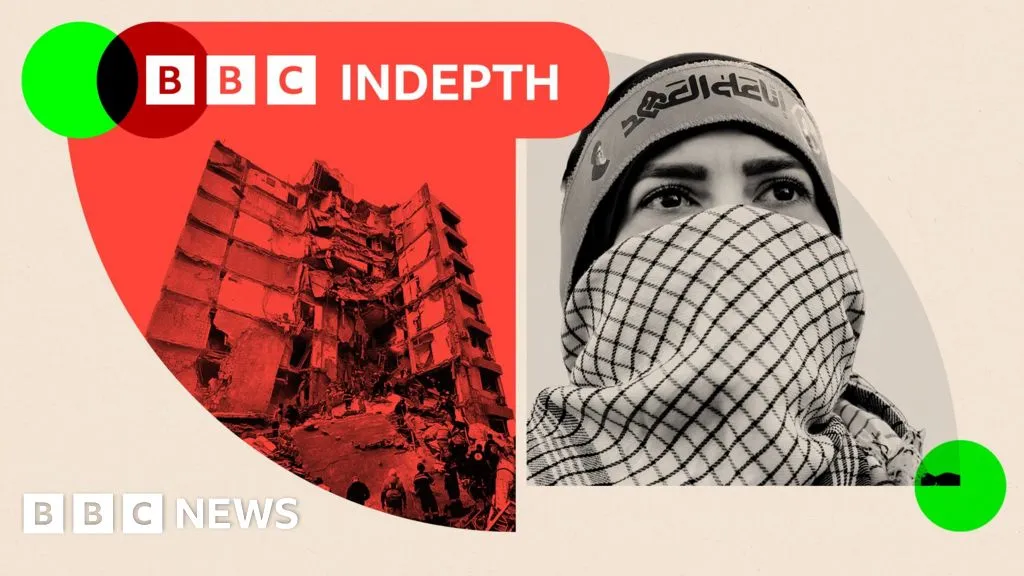
If diplomacy were poker, Lebanon would be sitting at the table with a handful of napkins and a participation ribbon. According to a BBC report, the Lebanese government has entered into peace talks with Israel in a position that can only be described as... optimistically awkward.
So what's actually going on?
The core problem, as BBC reporting makes clear, is that the Lebanese government has very limited influence over Hezbollah, the armed militant group that Israel has been primarily concerned with. This creates a rather spectacular diplomatic paradox: Lebanon is being asked to negotiate on behalf of a situation it doesn't fully control, with a neighbor that knows it doesn't fully control it.

Think of it like being sent to a parent-teacher conference for a kid who isn't even yours. You can nod along, take notes, and promise things will improve - but everyone in the room knows you're not the one driving home with the student.
Why does Lebanon have so little leverage?
Hezbollah operates as a state-within-a-state in Lebanon, with its own military structure, political wing, and chain of command that runs through Tehran rather than Beirut. The Lebanese government's ability to make binding commitments about Hezbollah's behavior is, to put it diplomatically, aspirational at best.
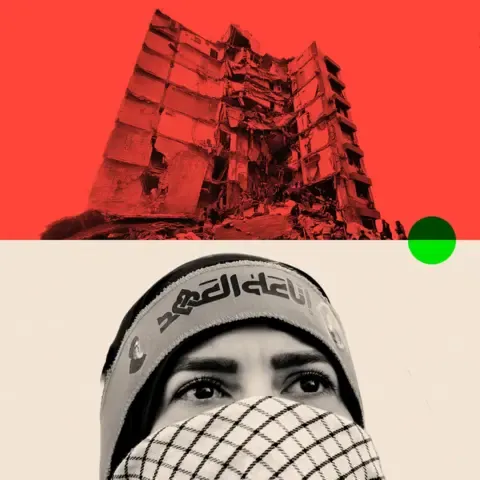
This isn't a new problem - it has been the structural headache of Lebanese politics for decades. But it becomes an especially acute issue when you're sitting across a negotiating table from Israel, a country with a rather firm and well-documented interest in guarantees, not vibes.
What happens now?
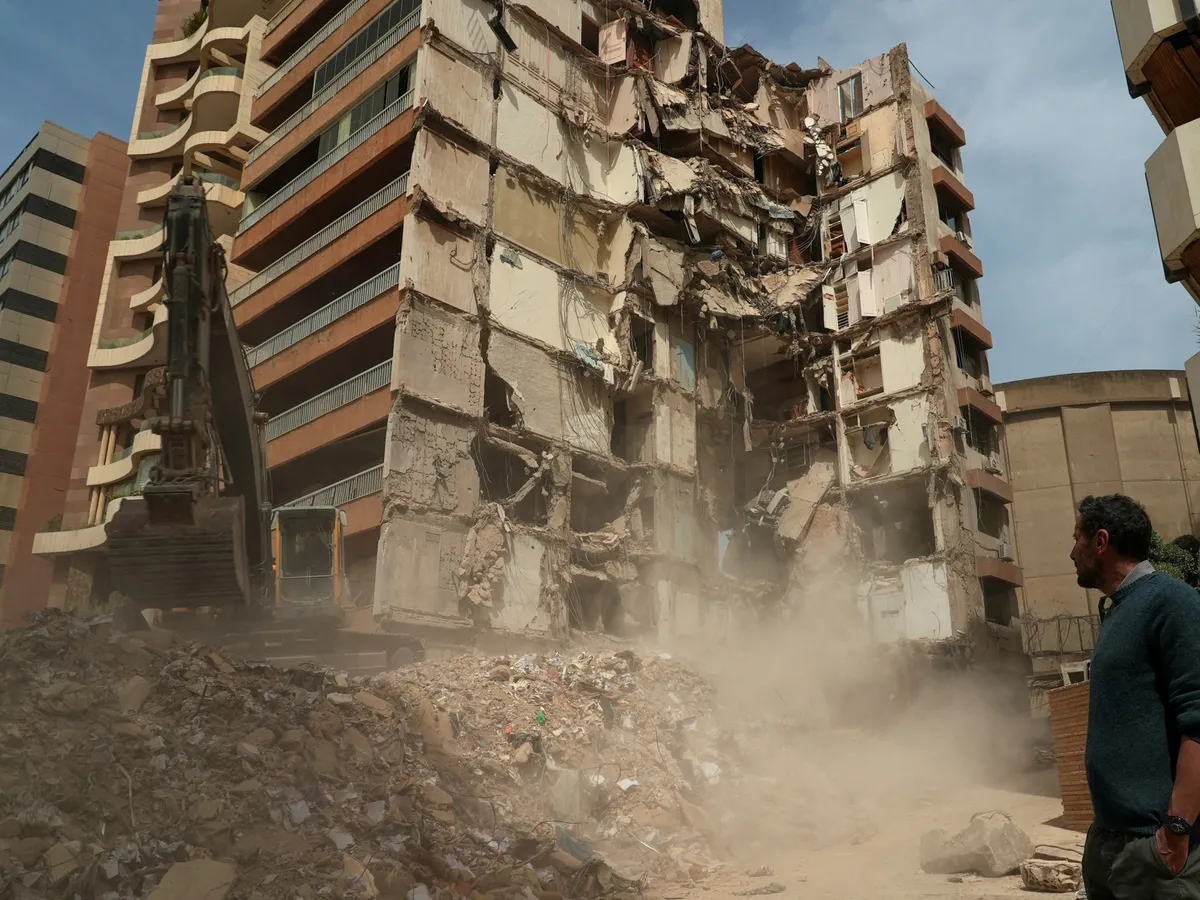
The talks themselves represent a significant moment, given the scale of devastation the recent conflict brought to Lebanon. There is genuine international pressure - and genuine Lebanese public desire - for some kind of durable arrangement that prevents another catastrophic escalation.
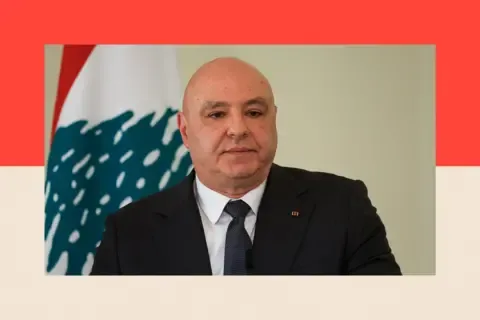
But the elephant in the room, or rather the heavily armed political-military organization in the room, isn't sitting at the table. And until that changes, analysts suggest Lebanon's negotiating position will remain more symbolic than substantive.
Whether symbolic gestures can be converted into actual security guarantees remains one of the more interesting geopolitical puzzles of the moment - though "interesting" may not be the word the people of southern Lebanon would choose.
Source: BBC News