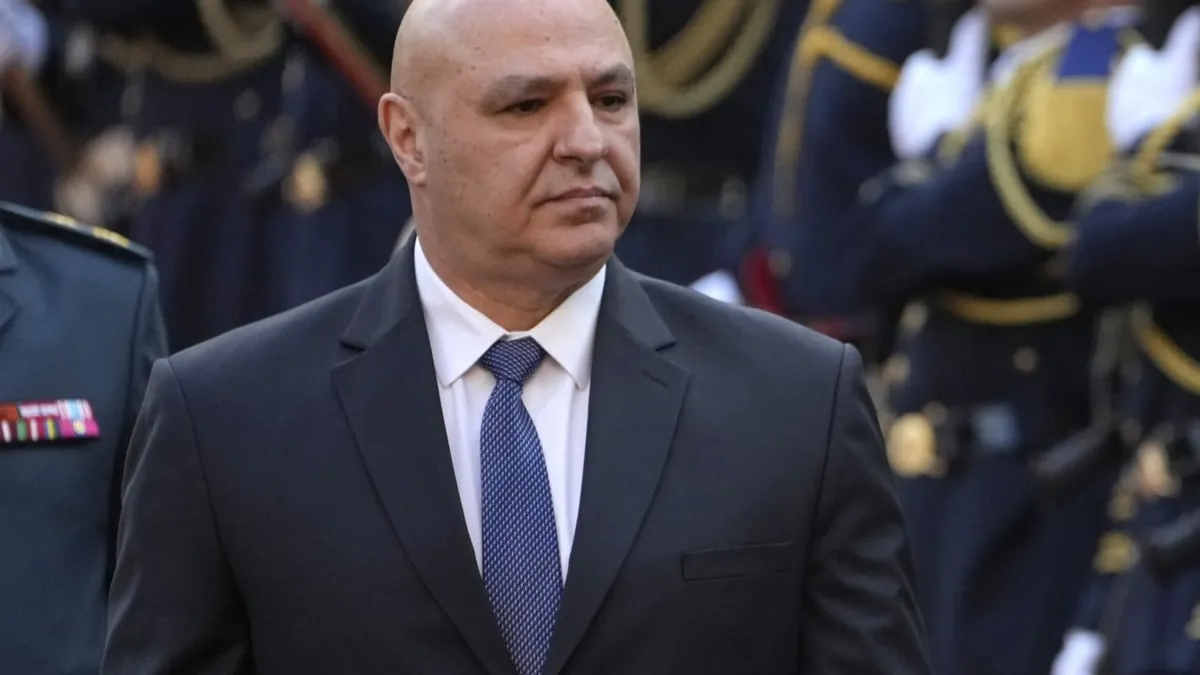
Lebanese President Joseph Aoun has defended his government's decision to engage in direct talks with Israel, saying the negotiations are aimed at ending hostilities and terminating what he described as an Israeli occupation of southern Lebanon, according to reporting by the South China Morning Post.
The statement came as Iran-backed militant group Hezbollah and its allies voiced strong opposition to the talks, sharply criticising the Lebanese government for pursuing the diplomatic channel.
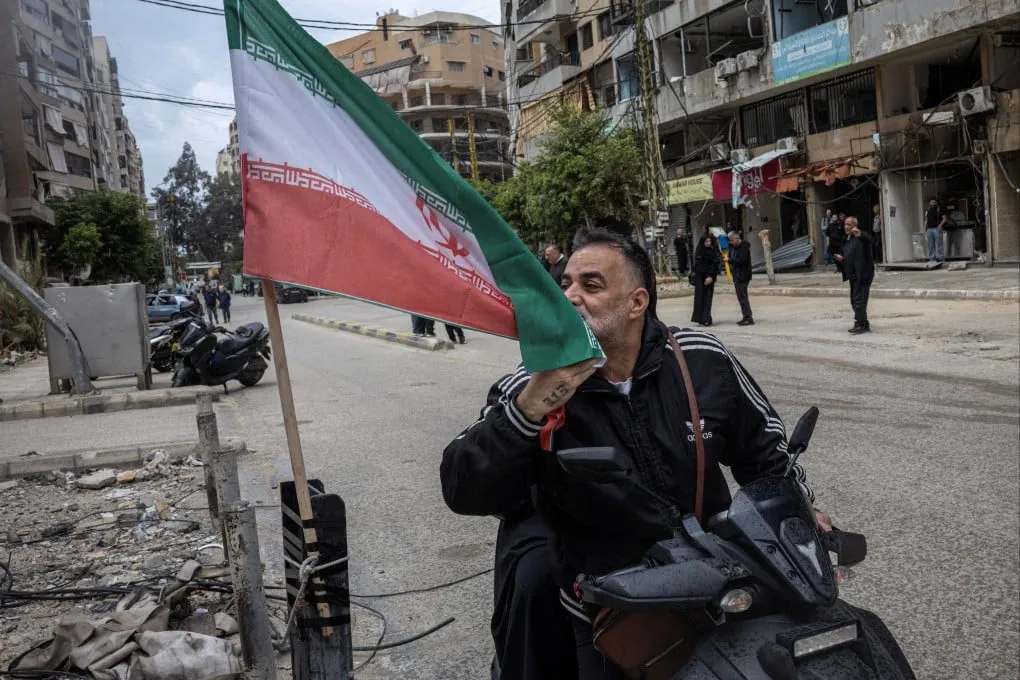
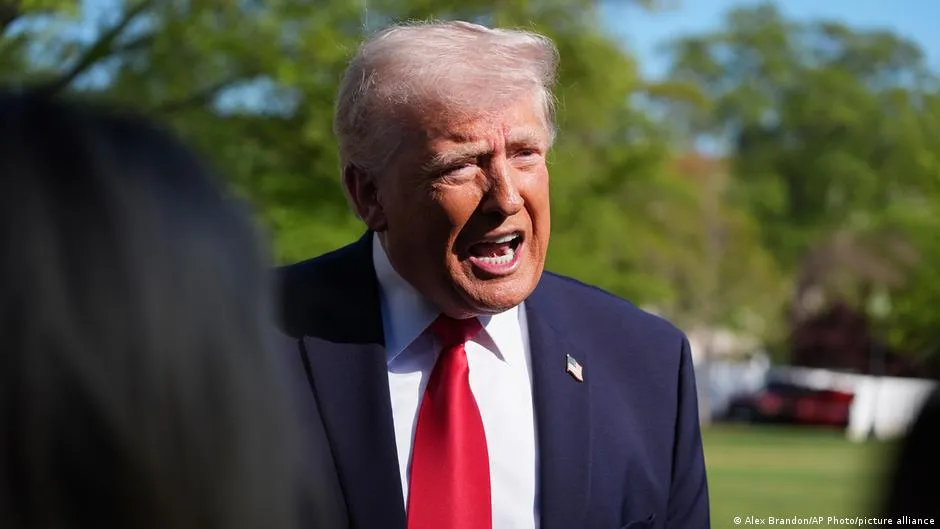
The negotiations are entering a second round on Thursday, following an initial session last week. After that first round concluded, US President Donald Trump announced a 10-day truce that has paused more than six weeks of armed conflict between Israel and Hezbollah forces in southern Lebanon.
A divided political landscape
The talks have exposed a significant rift within Lebanon's political landscape. President Aoun's position reflects a push by the Lebanese state to assert sovereignty over the south, a region that has long been a stronghold for Hezbollah's military operations.
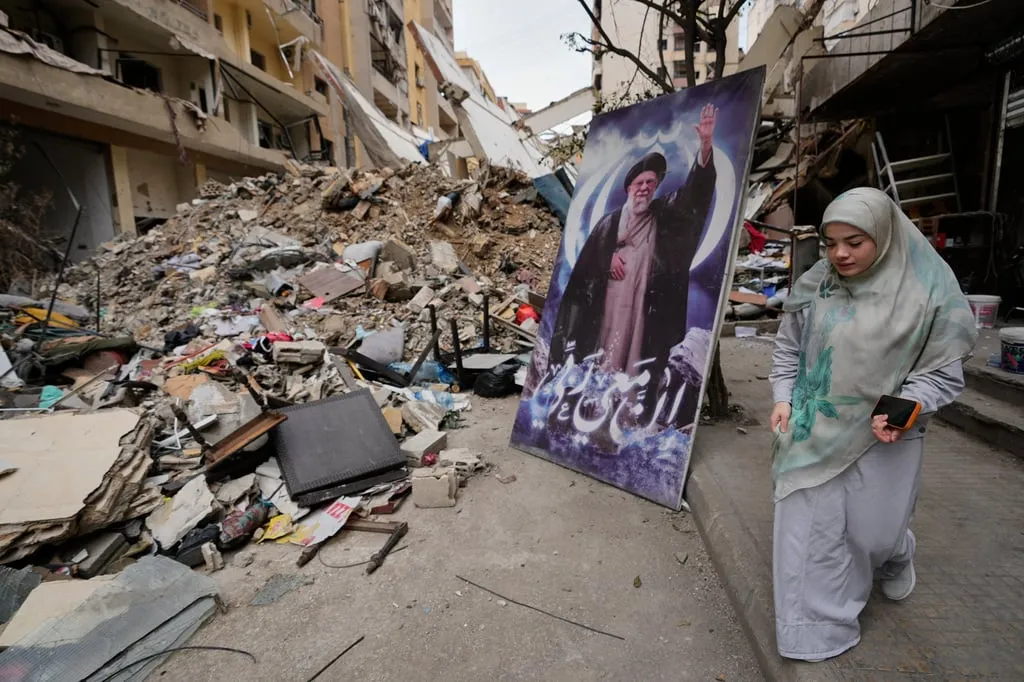
Hezbollah, which receives financial and military support from Iran, has framed the negotiations as a concession to Israeli pressure and a betrayal of what it describes as the resistance movement's core mission. The group and its political allies have made their opposition publicly known ahead of the second round of discussions.
Fragile truce holds for now
The 10-day ceasefire announced by Trump following the first round of talks represents a temporary halt to fighting that had caused significant casualties and displacement in both Lebanon and northern Israel. The durability of that pause remains uncertain, particularly given Hezbollah's rejection of the broader negotiating process.
The outcome of Thursday's second round of talks is expected to clarify whether a more lasting arrangement is achievable. The Lebanese government's willingness to continue negotiations despite domestic opposition signals a significant shift in how Beirut is approaching the conflict with its southern neighbor.
The situation remains fluid, with the positions of Hezbollah, Israel, and the United States all playing a role in determining whether the ceasefire can be extended or formalized into a more durable agreement.