International donors convened in Berlin this week for a conference aimed at addressing the humanitarian fallout from Sudan's ongoing civil war, now entering its third year with no ceasefire in sight, according to reporting by Deutsche Welle.
The conflict, which has drawn comparisons to some of the worst humanitarian disasters of recent decades, has largely faded from international headlines despite continued widespread suffering among the civilian population caught between warring factions.
A crisis without resolution
The war in Sudan began in April 2023, pitting the Sudanese Armed Forces against the paramilitary Rapid Support Forces. The fighting has driven millions from their homes and triggered what aid organizations have described as one of the world's most severe hunger crises.
Despite the scale of the catastrophe, Sudan has struggled to command sustained global attention, competing with other high-profile conflicts for media coverage, political will, and donor funding.
What the Berlin meeting hopes to achieve
With a negotiated end to the fighting remaining elusive, participants at the Berlin donor conference focused their efforts on a more immediate goal - mobilizing resources to reduce civilian suffering rather than resolving the underlying political and military conflict.
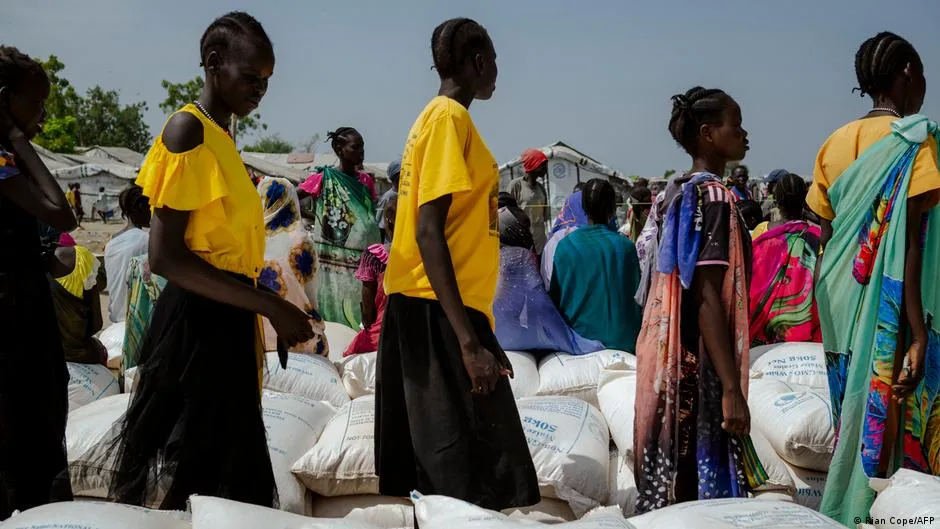
Humanitarian organizations operating in Sudan have repeatedly warned that funding shortfalls are hampering the delivery of food, medicine, and shelter to displaced populations. The Berlin gathering was intended to close some of those gaps, though the effectiveness of past pledging conferences in translating commitments into on-the-ground impact has varied.
A 'forgotten' conflict
Deutsche Welle's reporting characterizes Sudan's war as a largely forgotten crisis - one that has not attracted the same level of coordinated diplomatic pressure or sustained media scrutiny as conflicts in Ukraine or Gaza, despite comparable or greater humanitarian consequences in certain metrics.
The United Nations has estimated that the war has produced one of the largest displacement crises in the world, with millions of Sudanese fleeing to neighboring countries including Chad, Egypt, and South Sudan, straining regional resources and infrastructure.
Analysts note that the absence of a clear political path to peace makes humanitarian assistance both more urgent and more complicated, as aid delivery requires negotiating access with multiple armed actors operating across a vast and fragmented territory.
Whether the Berlin conference will produce meaningful commitments - and whether those commitments will reach people in need - remains to be seen, according to the Deutsche Welle report.