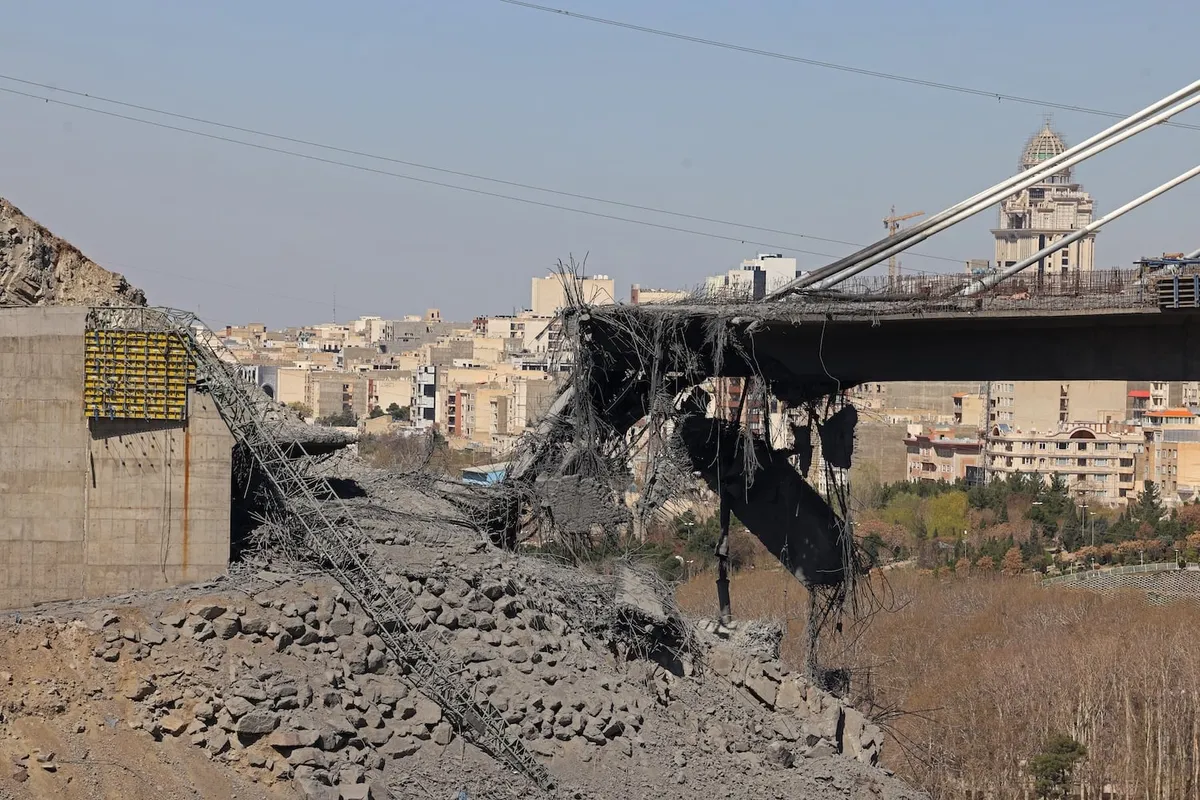
Threats made by former President Donald Trump to destroy Iranian bridges and power plants would, if carried out, violate international law and potentially expose U.S. military personnel to criminal prosecution, according to an analysis published by Foreign Policy.
The warnings come amid heightened tensions between Washington and Tehran, with Trump having publicly threatened devastating military action against Iran. Legal and military experts cited by Foreign Policy argue that the specific targets mentioned cross clear red lines established under the laws of armed conflict.
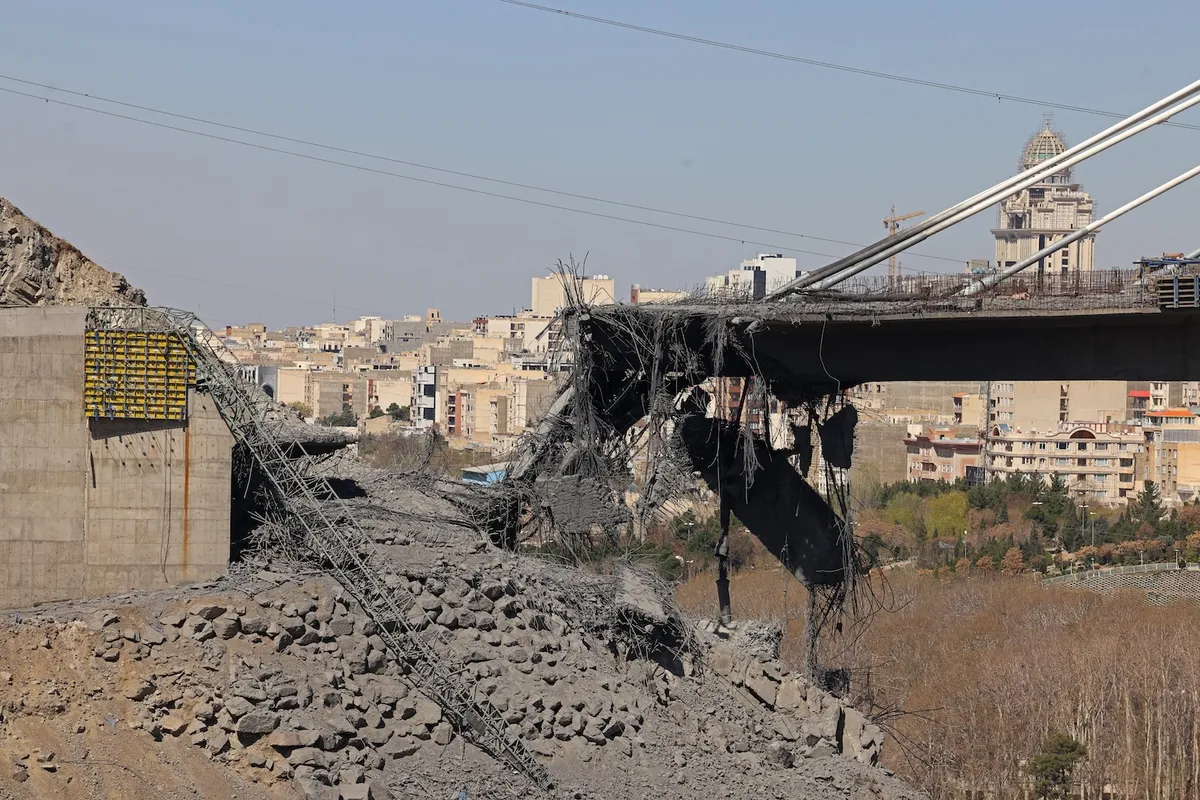
What international law prohibits
Under the Geneva Conventions and customary international humanitarian law, attacks on civilian infrastructure - including power grids and bridges used primarily by civilian populations - are prohibited unless those structures serve a direct military purpose at the time of the strike. Deliberate targeting of such sites can meet the legal threshold for war crimes.
The principle of distinction, a foundational rule of international humanitarian law, requires that warring parties differentiate at all times between military objectives and civilian objects. Attacks that fail to do so, or that cause disproportionate civilian harm relative to the anticipated military advantage, are considered unlawful.
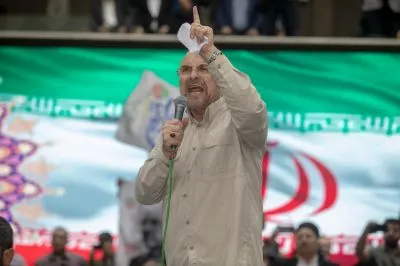
Risks to U.S. service members
Foreign Policy's analysis highlights that the legal exposure would not fall solely on political leadership. Military officers who plan and execute strikes on prohibited targets can themselves face prosecution under both U.S. military law and international tribunals. Service members are not shielded from liability by orders from superiors if those orders are unlawful.
This principle - that following an illegal order does not constitute a legal defense - has been upheld in military courts and international proceedings dating back to the Nuremberg trials following World War II.
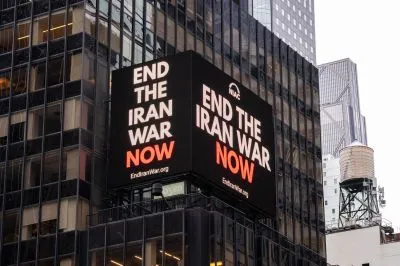
Context and prior precedent
The United States has previously faced scrutiny over strikes on infrastructure in conflict zones, including in Iraq and Yemen. Critics and human rights organizations have argued in multiple instances that such strikes failed to meet the proportionality and distinction standards required under international law.
Iran has not yet responded militarily to the threats, though Iranian officials have repeatedly warned of retaliation against any direct attack on the country's territory. Diplomatic negotiations over Iran's nuclear program have continued in parallel with the escalating rhetoric.
The Foreign Policy analysis underscores that while presidents retain broad authority to order military action, that authority operates within legal constraints - both domestic and international - that cannot simply be overridden by executive will. Whether those constraints would be enforced in practice remains a separate and contested question.