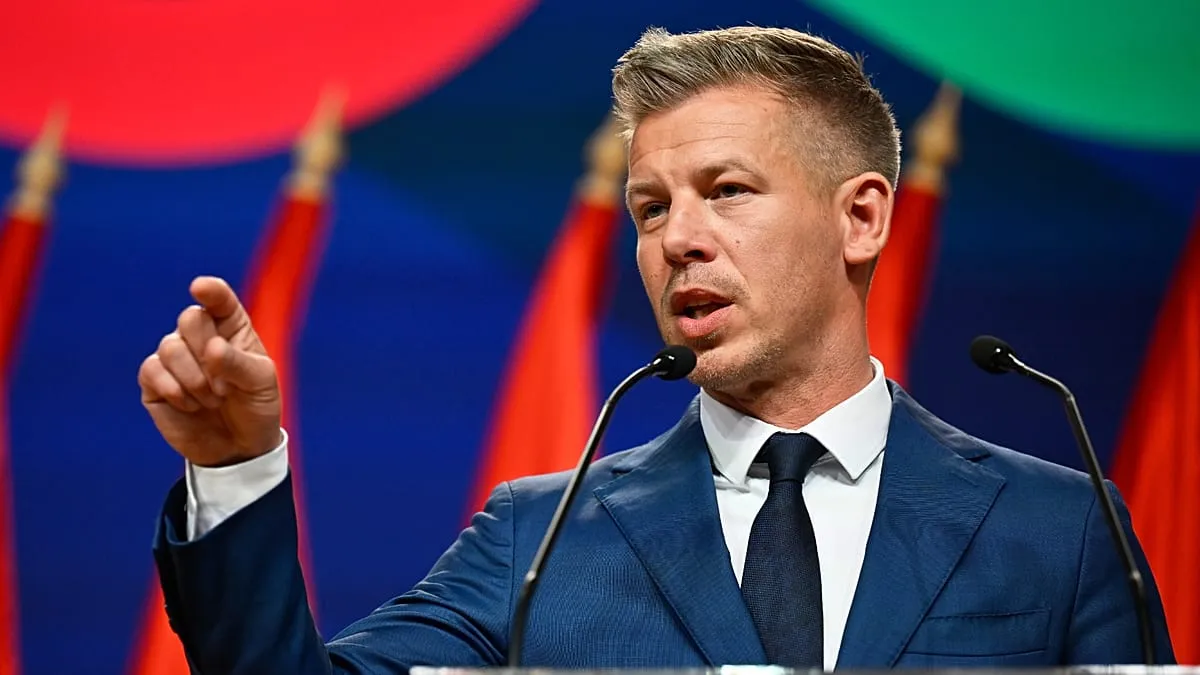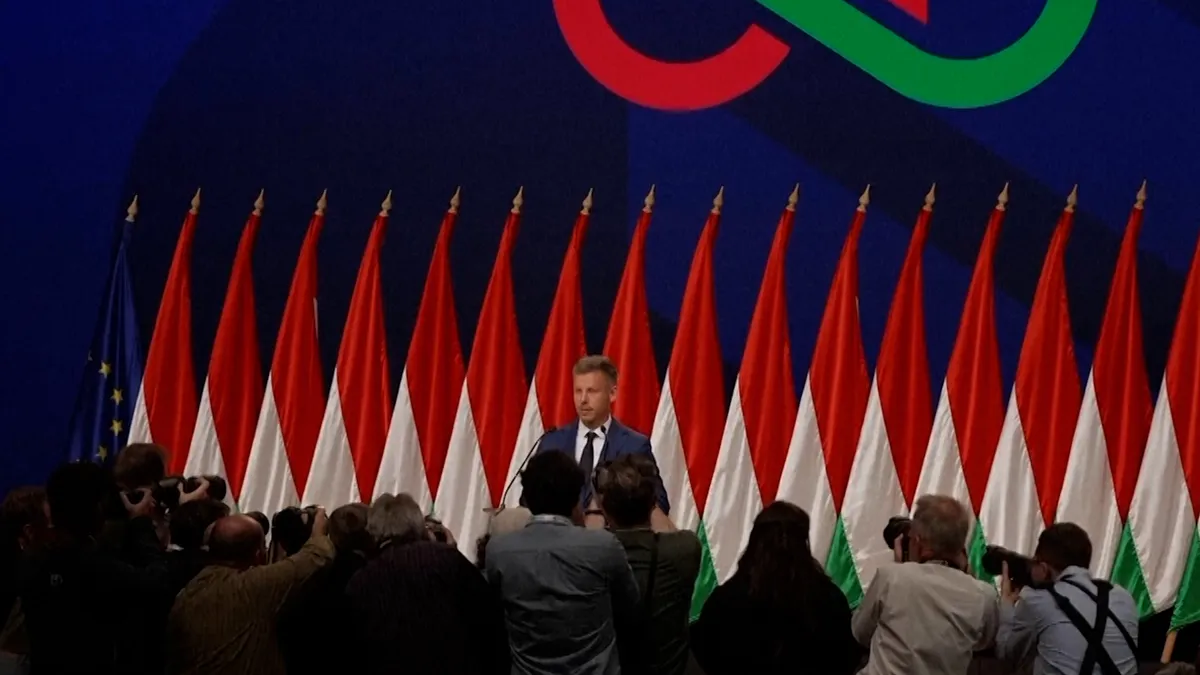
Peter Magyar, who won Hungary's parliamentary election, has called for an early convening of the country's legislature to begin the process of forming a new government, according to a report by Al Jazeera.
Magyar's demand for an expedited parliamentary session signals his intent to move quickly on establishing his administration following what marks a significant political shift in Hungary, a country where Viktor Orban and his Fidesz party had dominated politics for more than a decade.
A call for swift transition
By requesting an early session, Magyar is seeking to minimize the gap between electoral victory and the formal transfer of power. The convening of parliament is a necessary procedural step before a new government can be officially constituted and sworn in under Hungarian law.
Magyar, who leads the Tisza party, emerged as the central opposition figure capable of challenging Orban's long hold on power. His rise was built on anti-corruption messaging and appeals to voters disillusioned with the Fidesz government's record on democratic institutions and rule of law.
Broader context
Hungary has been a point of contention within the European Union for years, with Brussels repeatedly clashing with the Orban government over concerns related to judicial independence, press freedom, and the treatment of minorities. A change in government in Budapest could significantly alter Hungary's relationships with EU partners and with NATO allies.
Magyar's call to accelerate the parliamentary process reflects both the political urgency of the moment and the practical need to assemble a governing coalition capable of commanding a legislative majority. Details of any coalition negotiations or the composition of a prospective cabinet were not immediately available from the Al Jazeera report.
The election result, if confirmed and formalized through the parliamentary process Magyar is now pushing for, would represent one of the most consequential political transitions in Central Europe in recent years, reshaping the regional balance and potentially influencing the EU's internal dynamics on issues ranging from migration policy to relations with Russia.
Further details on the timeline for parliament's convening and the government formation process are expected to emerge in the coming days.