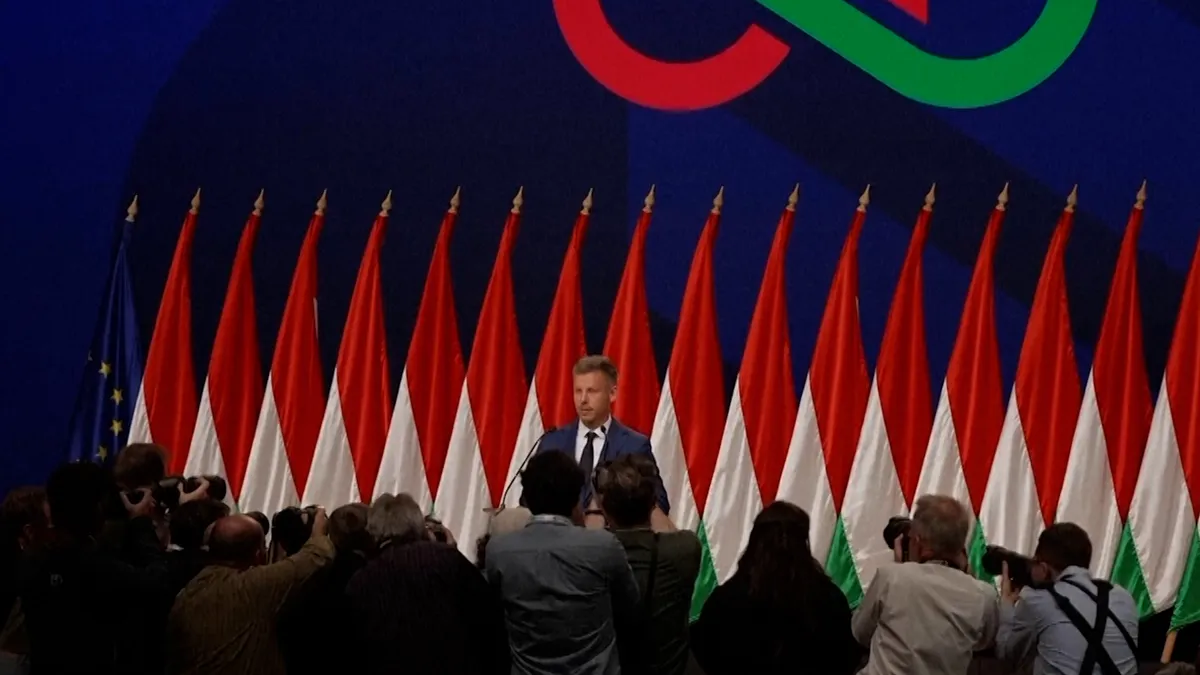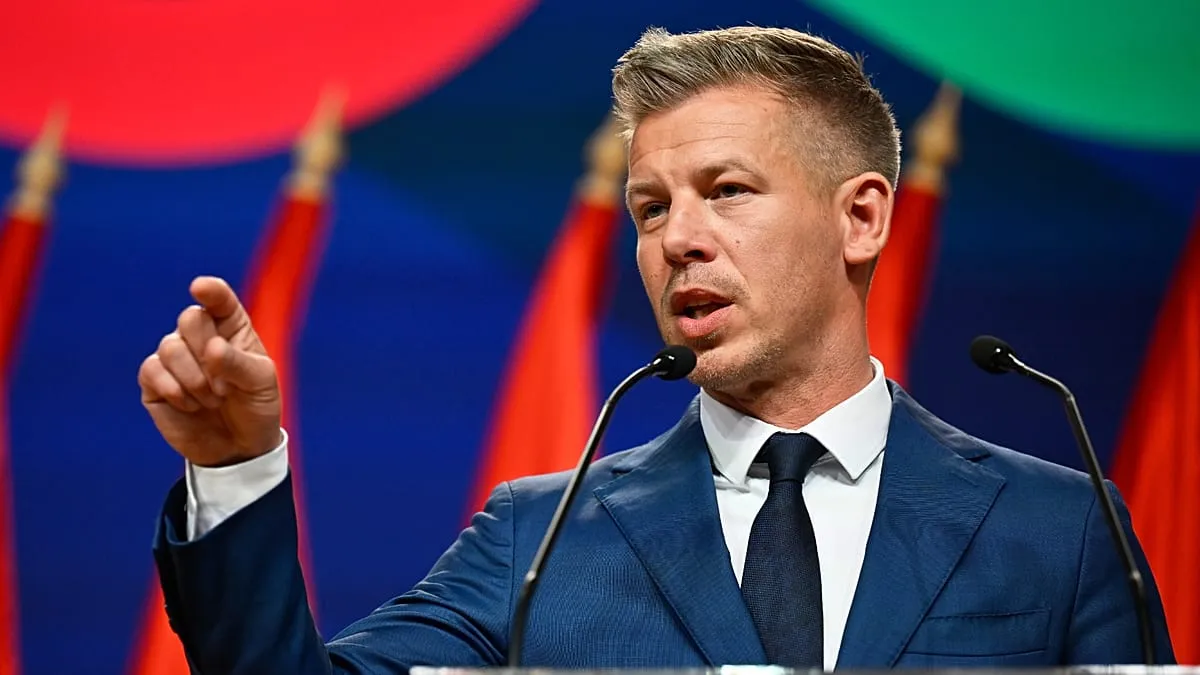
Péter Magyar's strong electoral performance in Hungary is raising questions about the future of a network of pro-Orbán figures embedded in Brussels institutions, according to reporting by Euronews.
Among those potentially vulnerable is Olivér Várhelyi, the Hungarian EU Commissioner, who was appointed under Prime Minister Viktor Orbán's government. Should Magyar's Tisza party ultimately come to power, analysts expect a new government would move to recall or replace political appointees loyal to the outgoing administration.
The MCC Brussels think tank, which has ties to the Mathias Corvinus Collegium - a Hungarian educational and research network closely associated with the Orbán government - could also face scrutiny. The institution has served as an intellectual hub for Eurosceptic and national-conservative viewpoints aligned with Budapest's political direction in recent years.
Hungary's ambassador to the European Union is similarly considered part of the broader network that a Magyar-led government would likely seek to reshape. Ambassadorial appointments are typically within the gift of the executive, making such positions among the most immediately actionable for any incoming administration.
A shift in Hungary's EU posture
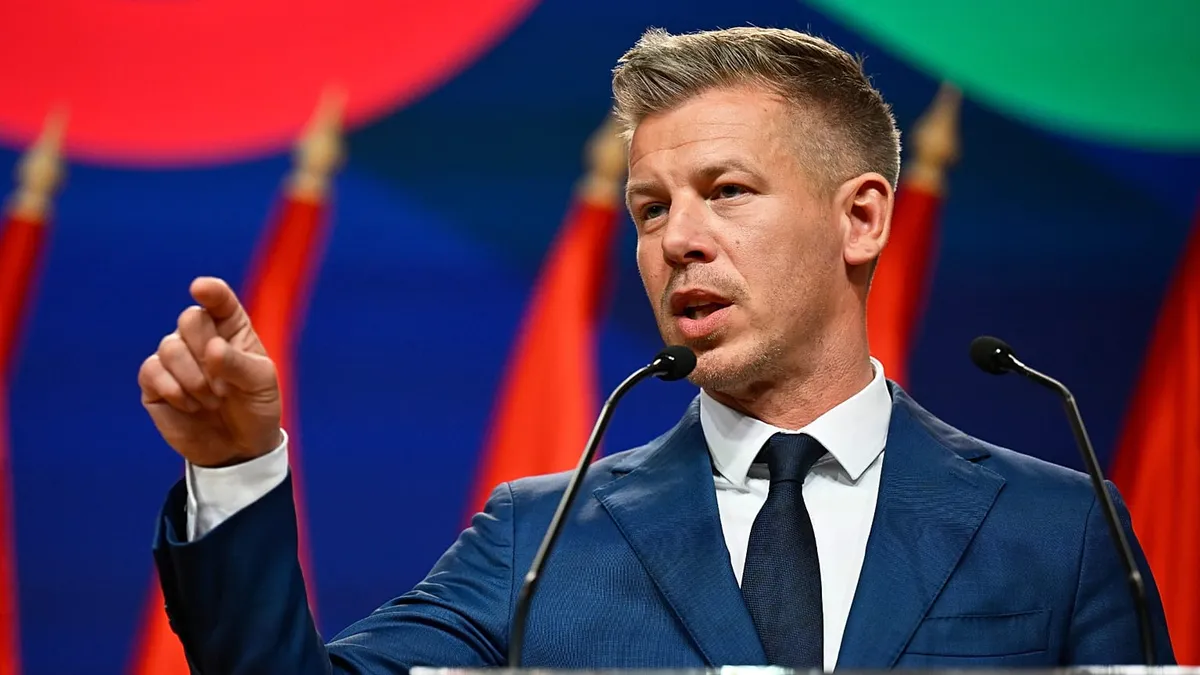
Hungary under Orbán has often clashed with Brussels over the rule of law, press freedom, and democratic standards, leading to the suspension of billions of euros in EU cohesion funds. Magyar has positioned himself as a pro-European alternative, suggesting his government would seek a more cooperative relationship with EU institutions.
The extent of any personnel changes would depend on the scale of Magyar's eventual mandate and the composition of any coalition he might need to form. Hungarian parliamentary elections are not due until 2026, meaning the path to government remains contested.
Still, Orbán's influence in Brussels has been built gradually through years of strategic appointments and funding of aligned institutions. A change of government in Budapest would likely mark the beginning of a sustained effort to dismantle that infrastructure, according to the Euronews analysis.
Várhelyi, as an EU Commissioner, occupies a position that is formally independent of his nominating government, though member states retain significant influence over whether they continue to back their nominee. His future in the role would depend partly on European Commission president Ursula von der Leyen and the broader college of commissioners.