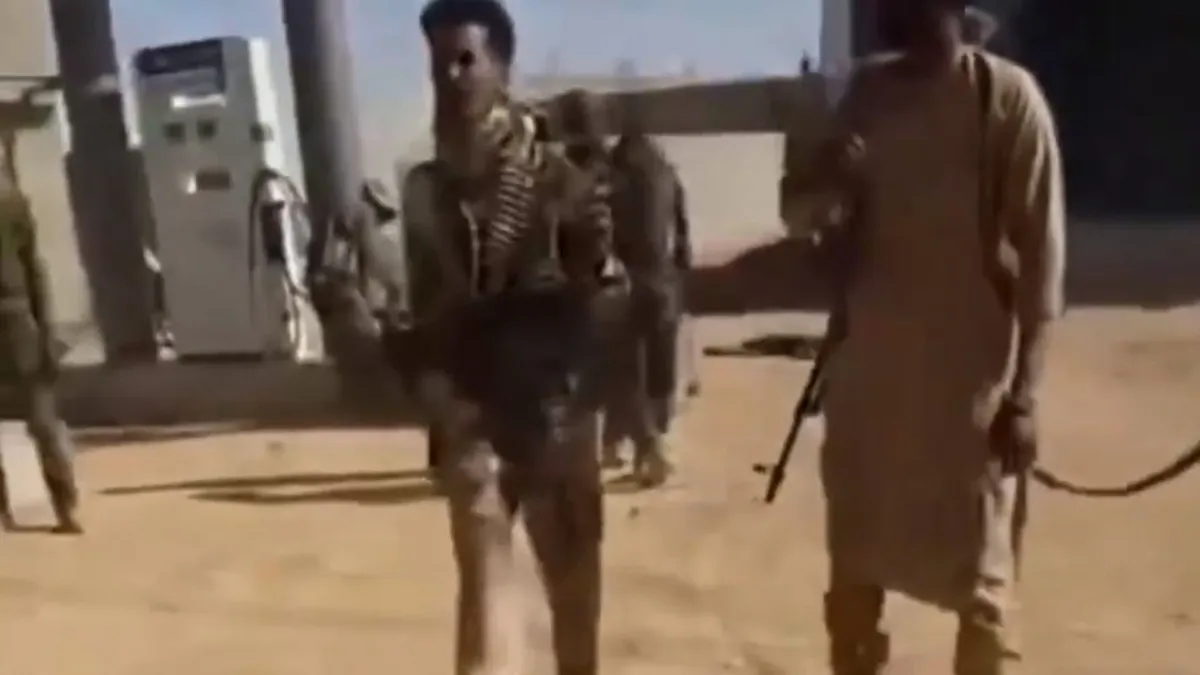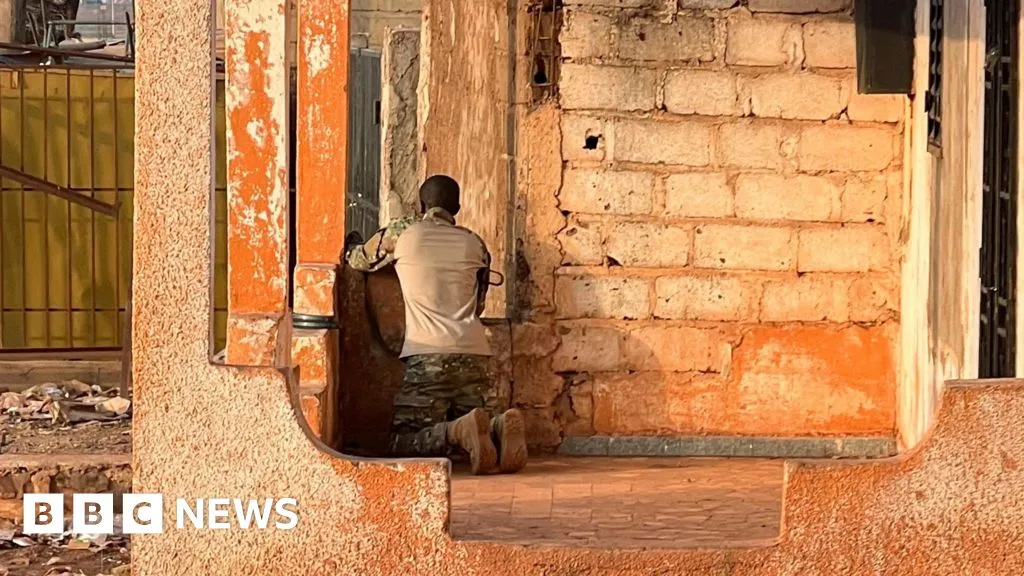
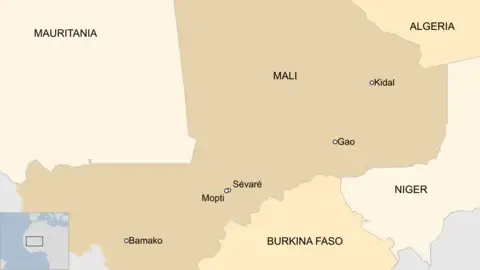
Mali's military has reported that armed groups launched a series of coordinated attacks across the country, according to the BBC. The assaults included incidents near a military base on the outskirts of the capital, Bamako, where witnesses reported hearing explosions and sustained gunfire.
The attacks represent a significant escalation in violence in the West African nation, which has experienced persistent instability since a series of military coups beginning in 2020. Mali is currently governed by a military junta that came to power after ousting an elected government.
Attacks near the capital
The proximity of the reported attacks to Bamako is notable. Previous jihadist and armed group activity in Mali has largely been concentrated in the country's northern and central regions. Witness accounts cited by the BBC described the sounds of explosions and prolonged gunfire near a military installation outside the capital.
Mali's armed forces acknowledged the coordinated nature of the assaults, though further details on casualties, the groups responsible, or the full scope of the attacks were not immediately confirmed in early reports.
Context of ongoing instability
Mali has been embroiled in a complex security crisis for over a decade, rooted in the collapse of state authority in the north following a 2012 Tuareg rebellion and subsequent jihadist takeover of large swathes of territory. Despite numerous international interventions - including a French-led military operation and a United Nations peacekeeping mission - armed groups affiliated with al-Qaeda and the Islamic State remain active across the country's vast interior.
The ruling junta expelled French forces and the UN peacekeeping mission, MINUSMA, in recent years, instead turning to the Russian paramilitary group Wagner - now rebranded as the Africa Corps - for security support. Critics have argued this strategic shift has not improved security conditions for civilians.
Armed groups including the Jama'at Nusrat al-Islam wal-Muslimin (JNIM), al-Qaeda's affiliate in the Sahel region, have continued to expand their operational reach and have previously claimed responsibility for high-profile attacks on military targets.
Regional implications
The reported coordinated nature of the attacks across multiple locations simultaneously points to a level of organizational capability that will concern security analysts monitoring the broader Sahel region, where neighboring Burkina Faso and Niger face similar insurgencies under military governments.
Further details on the scope of the attacks, the identity of the perpetrators, and the government's response were not yet available at the time of reporting, according to the BBC.