Three years into Sudan's devastating civil war, humanitarian conditions across the country are deteriorating sharply, with millions displaced and parts of the nation teetering on the edge of famine, according to reporting by Deutsche Welle.
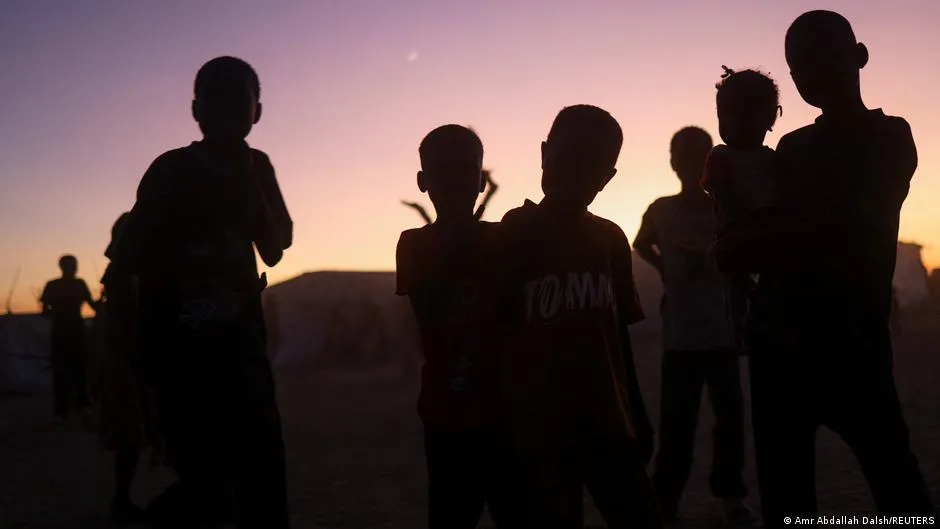
Aid organizations warn that children are bearing the heaviest burden of the ongoing conflict, which has created one of the world's most severe humanitarian emergencies. Malnutrition rates among young children are climbing as food supplies dwindle and the distribution of relief assistance becomes increasingly difficult in active conflict zones.
Scale of displacement
The war has forced millions of Sudanese from their homes, creating massive internal displacement as well as refugee flows into neighboring countries. The scale of the crisis has strained regional resources and overwhelmed existing aid infrastructure, leaving large populations without consistent access to food, clean water, or medical care.
Humanitarian agencies report that access to affected communities remains severely restricted, hampering their ability to deliver life-saving assistance to those most in need. Ongoing fighting between the Sudanese Armed Forces and the paramilitary Rapid Support Forces has made large portions of the country effectively unreachable for aid workers.
Funding shortfalls compound the crisis
A decline in international humanitarian funding is compounding the already dire situation on the ground. Aid organizations have indicated that financial contributions from donor countries have fallen short of what is needed to adequately respond to the scale of need, forcing difficult decisions about where limited resources are allocated.
The combination of active conflict, mass displacement, and reduced funding has created conditions in which famine is considered a credible and growing risk in certain parts of the country. Humanitarian groups have called on the international community to significantly increase financial support and to press all parties to the conflict to allow safe and unimpeded humanitarian access.
Children at greatest risk
Aid agencies emphasize that children are disproportionately affected, facing acute malnutrition, interruptions to education, and exposure to violence. Health systems in many areas have collapsed or been severely degraded, limiting access to basic medical care including treatment for malnutrition-related conditions.
The situation in Sudan represents one of the largest and most underfunded humanitarian crises globally, according to aid organizations tracking the conflict's impact. Despite the scale of suffering, the crisis has drawn comparatively limited international attention relative to other ongoing conflicts around the world.