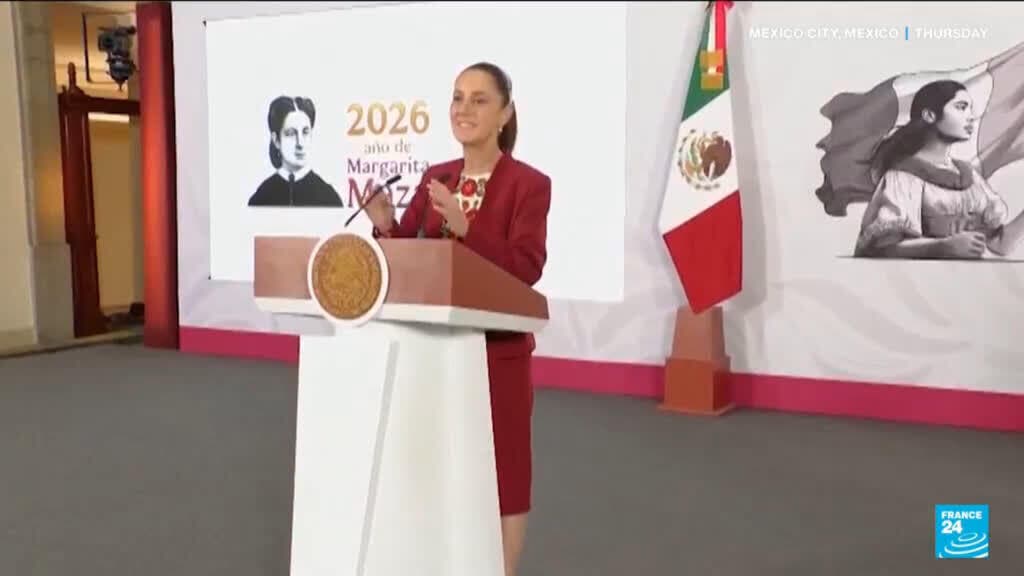
Mexican President Claudia Sheinbaum has unveiled plans to expand hydraulic fracturing, commonly known as fracking, as part of a broader strategy to reduce the country's dependence on imported natural gas from the United States, according to a report by France 24.
The announcement comes against the backdrop of global energy market disruptions linked to the ongoing conflict involving Iran, which has prompted several governments to reassess their energy supply chains and seek greater self-sufficiency.
Sheinbaum has positioned the initiative as a form of sustainable resource extraction, arguing that new fracturing technologies can be deployed in a way that limits environmental harm while boosting domestic energy production. Mexico currently relies heavily on pipeline imports of US natural gas, a dependency that officials say leaves the country exposed to price volatility and geopolitical risk.
Community opposition
The proposal has drawn resistance from local communities who say they have already experienced damage from fracking operations. Critics of the technology argue that hydraulic fracturing - which involves injecting high-pressure fluid into rock formations to release trapped hydrocarbons - poses serious risks to groundwater sources, local ecosystems, and public health.
Residents in areas affected by previous extraction activities have continued to oppose any expansion of the practice, pushing back against the government's characterization of newer methods as significantly safer than earlier approaches.
Fracking has been a contentious issue in Mexico for years, with environmental advocates and indigenous communities repeatedly calling for outright bans on the technique. The tension between energy security goals and environmental concerns is not unique to Mexico - governments across the globe have grappled with similar trade-offs as they seek to balance domestic production needs against sustainability commitments.
Energy security context
Mexico's push for greater energy independence reflects a wider regional trend, as Latin American nations look to assert more control over their natural resources and reduce exposure to external supply shocks. The Sheinbaum administration has framed energy sovereignty as a key pillar of its domestic policy agenda.
However, critics argue that investing in fossil fuel extraction - regardless of the methods used - runs counter to long-term climate goals and international emissions reduction commitments. The debate over fracking in Mexico is likely to intensify as the government moves forward with implementing its plans.
France 24 reported on the story through correspondent Gabrielle Nadler.