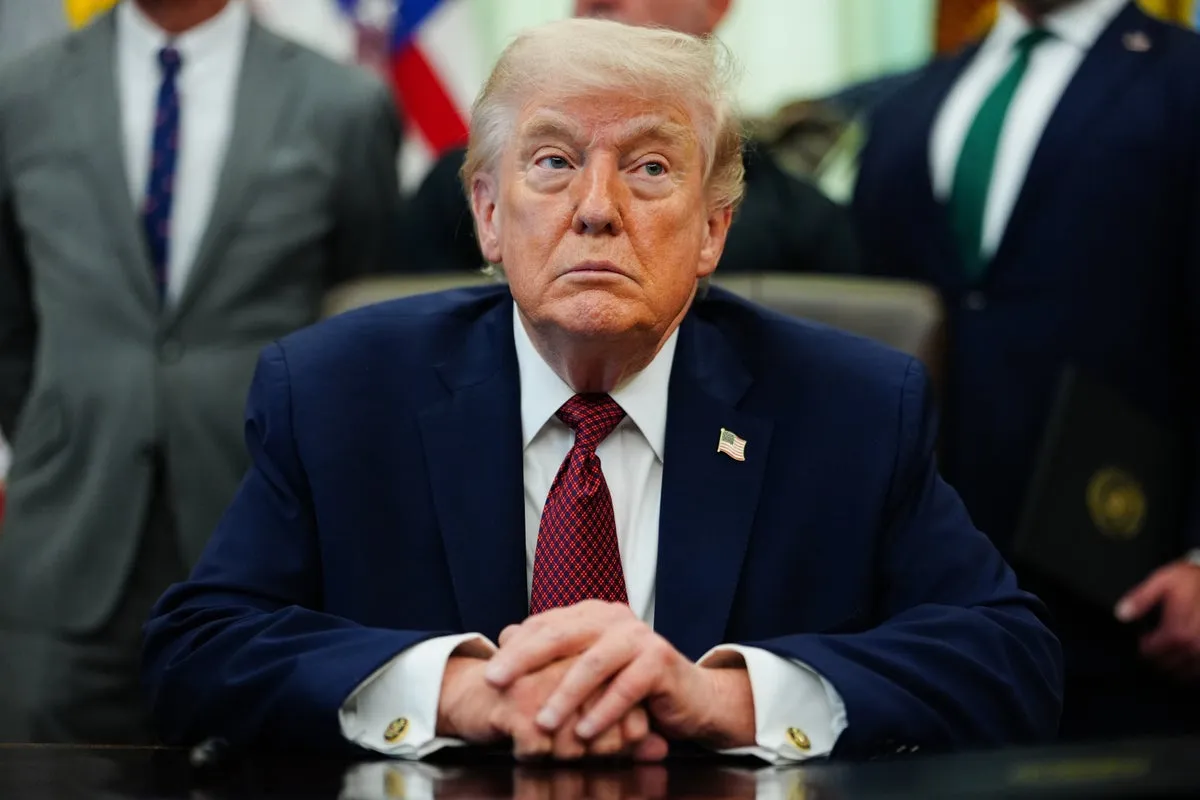
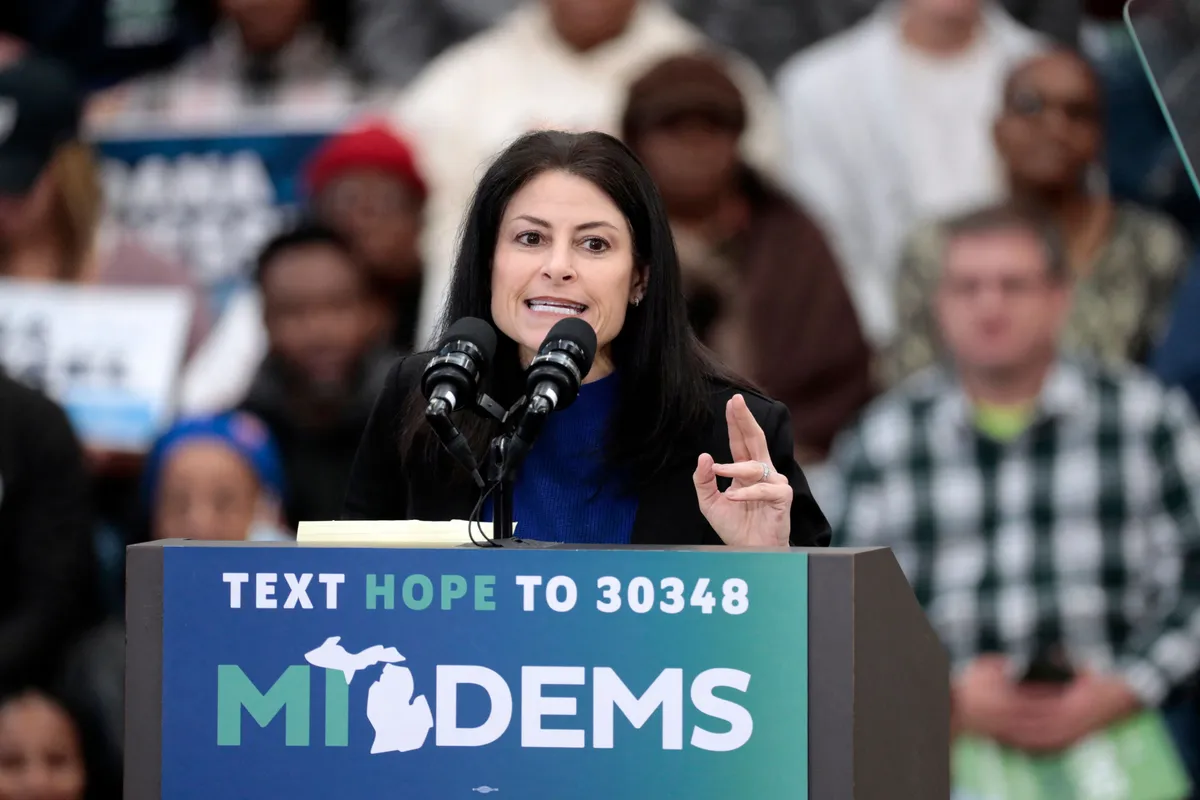
Michigan state officials have declined to provide 2024 presidential election ballots to the Trump administration, the latest in a series of legal setbacks for the Justice Department in its effort to obtain election-related records, according to reporting by The Independent.
The refusal marks another instance of state-level resistance to federal requests for post-election materials, with Michigan joining what has become a pattern of unsuccessful attempts by the Justice Department to secure ballot access across jurisdictions.

A pattern of legal setbacks
The Justice Department has encountered multiple legal obstacles in its pursuit of election records since the 2024 vote. Courts and state authorities have repeatedly declined to comply with or facilitate federal requests, raising questions about the legal basis and scope of the administration's election review efforts.
Michigan officials have not indicated any willingness to reverse their position, and the standoff adds to a growing list of jurisdictions where the administration's requests have been blocked or rejected.
Broader context
The Trump administration has expressed interest in reviewing ballots and related materials from the 2024 election cycle. Critics of these efforts have argued that the requests lack sufficient legal grounding and risk undermining established election administration processes that are largely managed at the state level under U.S. law.
Supporters of the review argue that federal oversight of elections is a legitimate interest, particularly given the administration's stated concerns about election integrity.
State sovereignty over election administration is a well-established feature of the American electoral system. Under federal law, states retain primary authority over how elections are conducted and how ballots are stored and managed after a vote concludes.
The repeated legal setbacks suggest that courts have so far been unreceptive to arguments that federal authorities are entitled to access these materials, though the administration's legal efforts are ongoing.
The situation in Michigan is likely to draw continued scrutiny from election law experts, civil liberties advocates, and lawmakers on both sides of the aisle as the broader dispute over post-election record access continues to unfold.