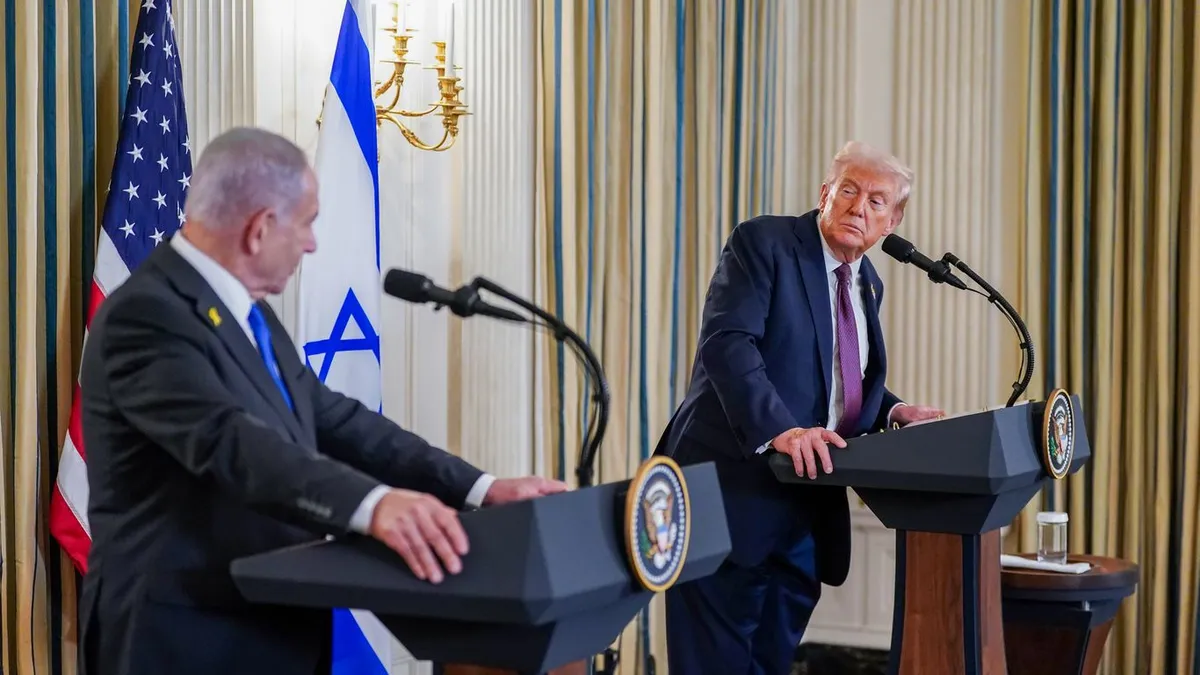
Israeli Prime Minister Benjamin Netanyahu and his advisers were caught off guard by a social media post from President Donald Trump declaring that Israel was "prohibited" from conducting further airstrikes in Lebanon, according to a U.S. source and another source familiar with the matter, as reported by Axios.
Israel subsequently asked the White House for clarifications about the post, which appeared to contradict the text of the ceasefire agreement between Israel and Lebanon that the State Department had published the previous day.
A statement that raised questions
Trump's use of the word "prohibited" carried significant implications, suggesting he was personally issuing a directive to Israel rather than simply describing the terms of the existing ceasefire deal. That distinction alarmed Israeli officials, who scrambled to understand whether the post reflected a formal shift in U.S. policy or a mischaracterization of the agreement already in place.
The ceasefire text released by the State Department did not, according to the sources cited by Axios, include language that matched the framing Trump used in his post.
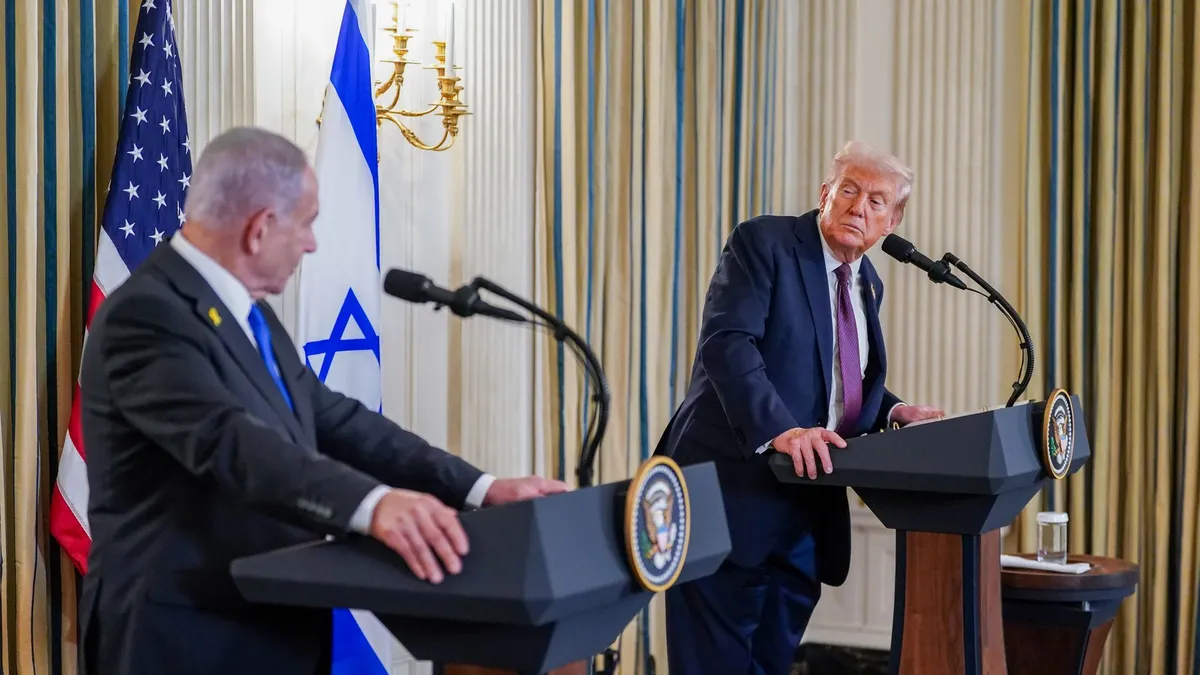
Strains in U.S.-Israel coordination
The episode highlights the potential for confusion when major policy signals are communicated through informal channels such as social media, particularly on sensitive matters involving active ceasefire arrangements.
Netanyahu's government has maintained close coordination with the Trump administration on regional security issues, making the apparent disconnect between the presidential post and official State Department documentation notable.
The White House had not publicly addressed Israel's request for clarifications at the time of reporting. It remains unclear whether Trump's post was intended to signal a harder U.S. line on Israeli military activity in Lebanon or reflected an inadvertent misstatement of the ceasefire's terms.
The Lebanese ceasefire has been a fragile arrangement, and any ambiguity over what actions Israel is permitted to take under U.S. backing could have direct consequences for stability in the region.
Axios, which first reported the story, cited sources familiar with the internal communications between the two governments but did not attribute specific quotes to named individuals.