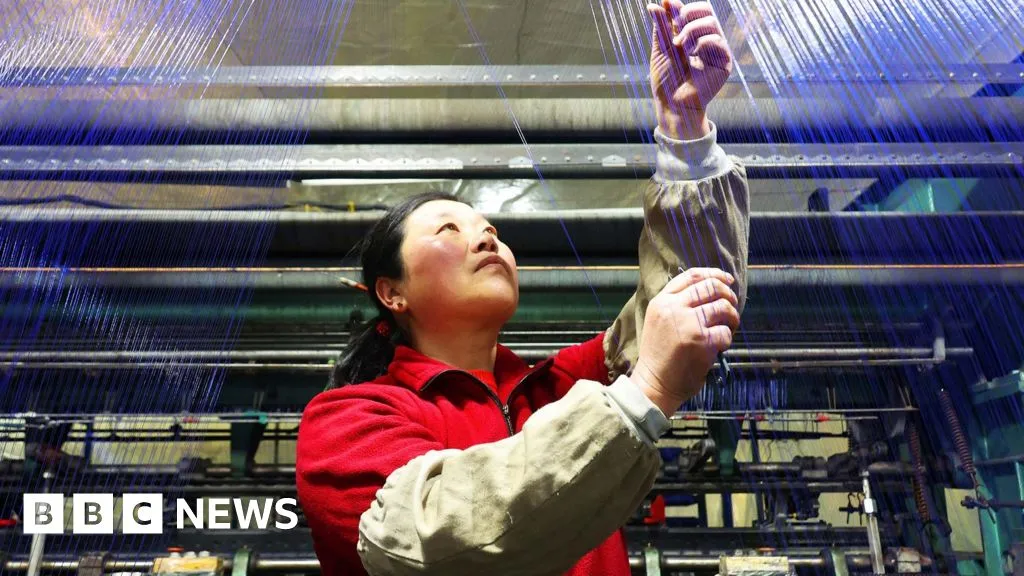
China's export-driven economy, which absorbed the shock of sweeping U.S. tariffs under the Trump administration, is now facing a separate strain from the ongoing conflict in the Middle East, according to a BBC report.
Factory owners, workers and trade analysts in China are pointing to declining orders, rising costs and growing uncertainty as the ripple effects of the Iran war reach supply chains and shipping routes that Chinese exporters depend on.
Factories under pressure
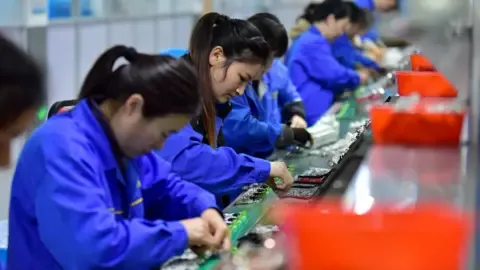
Chinese manufacturers had already adapted to a new tariff landscape after the Trump administration imposed broad duties on Chinese goods. Many diversified their export markets or shifted production strategies. However, the Middle East conflict is introducing a different set of challenges that are harder to navigate through pricing adjustments alone.
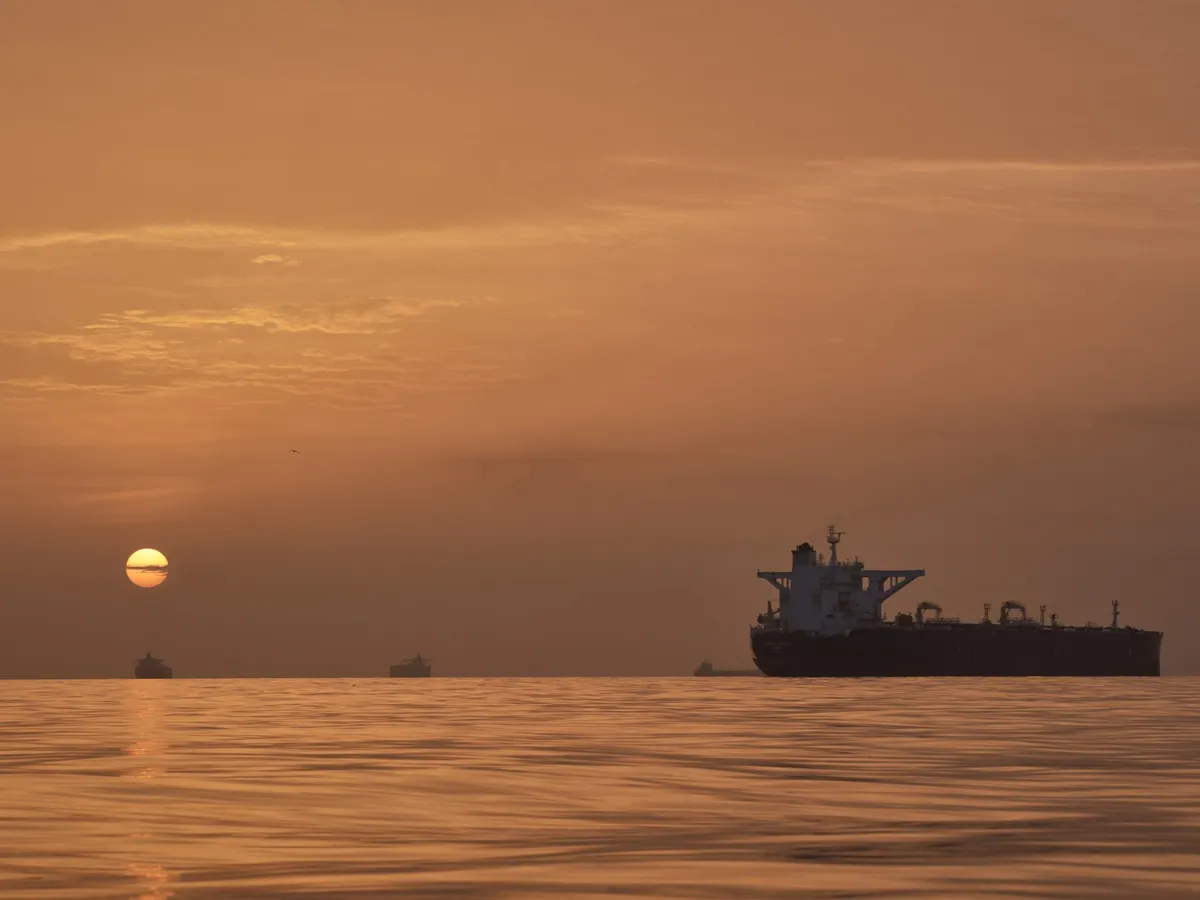
Disruptions to regional shipping lanes and elevated freight costs are affecting the flow of goods to markets in the Middle East, Europe and beyond. For factories operating on thin margins, even modest increases in logistics costs can erode profitability significantly.
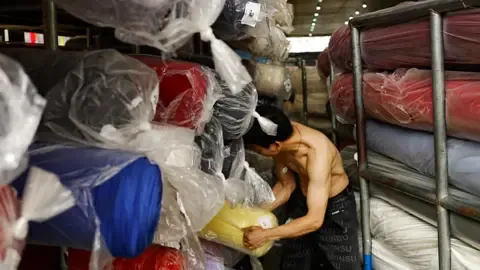
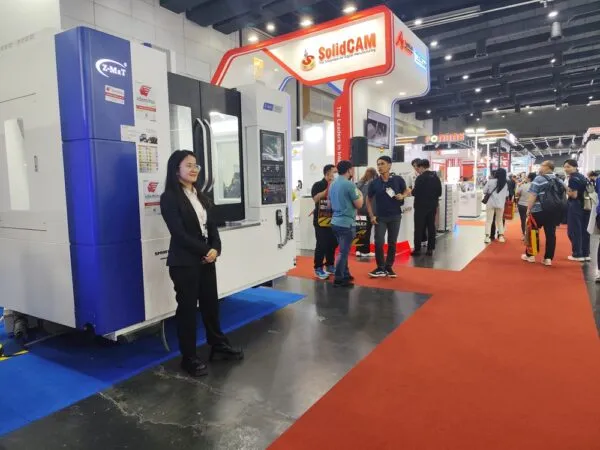
Reports from within China's manufacturing heartlands suggest that some factory owners are seeing orders reduced or delayed as international buyers reassess supply chains and purchasing timelines amid geopolitical uncertainty.
Jobs and livelihoods at risk
The pressure on orders is beginning to translate into concerns about employment. China's export sector supports tens of millions of jobs, and any sustained decline in factory activity can have wide social and economic consequences.

Workers in export-heavy regions are among those feeling the early effects, with some factories reportedly reducing shifts or pausing hiring as managers wait to see how the conflict develops and whether demand from affected markets recovers.
A compounding challenge for Beijing
Chinese policymakers have been working to sustain economic momentum at a time when domestic consumption has been slow to recover and the property sector remains under stress. External demand has served as a critical buffer, making any disruption to export performance particularly sensitive.
The dual pressure of U.S. trade restrictions and Middle East instability underscores the vulnerability of an economy heavily reliant on global trade flows. Analysts have noted that China's exposure to both geopolitical fronts simultaneously poses a more complex management challenge than either issue would present in isolation.
Beijing has not issued specific policy responses directly addressing the impact of the Middle East conflict on export industry, though broader economic support measures remain in place.
The situation continues to develop as the conflict in the Middle East shows no clear signs of resolution, leaving Chinese factory owners and workers in a prolonged state of uncertainty.