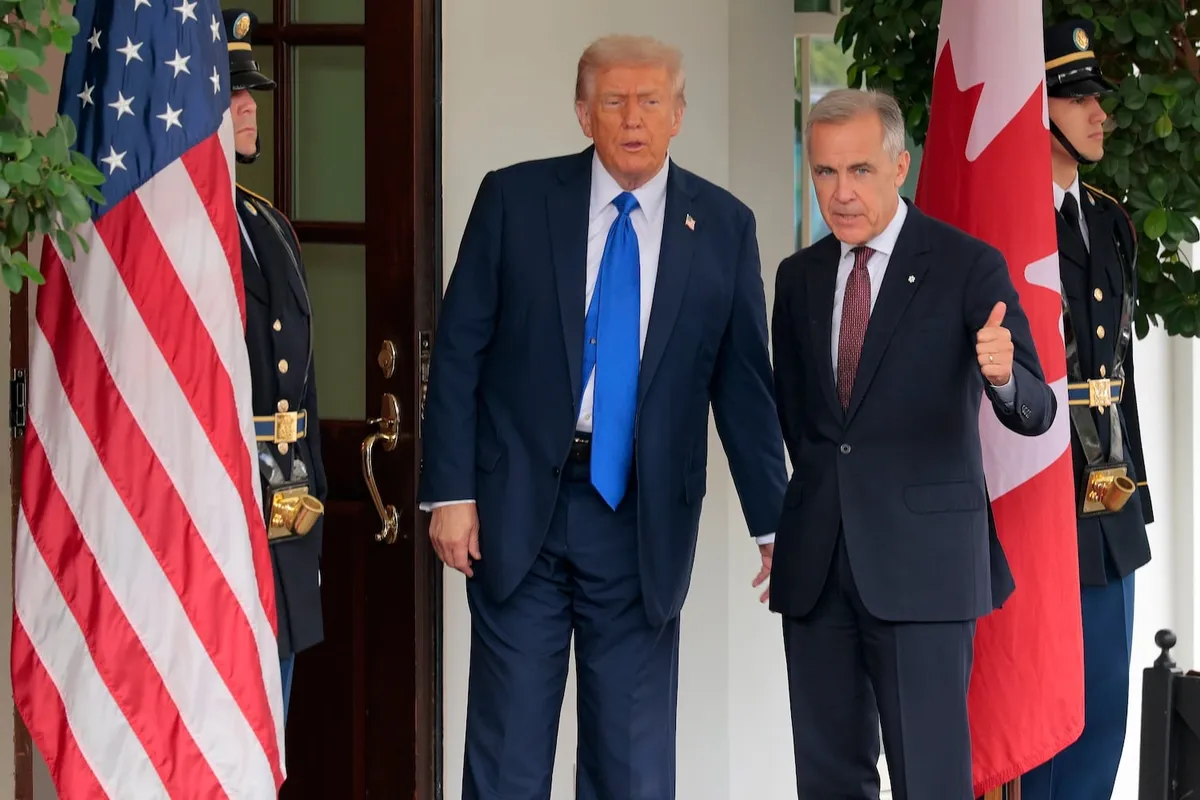
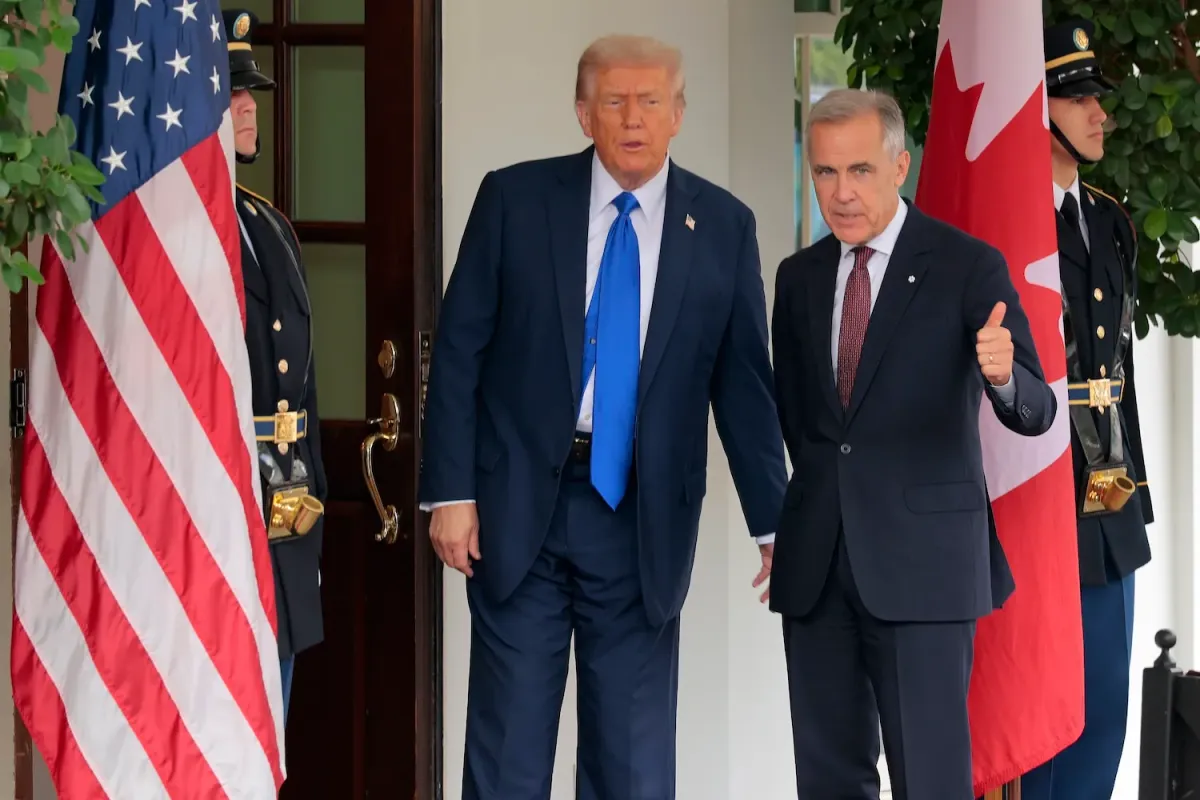
Despite months of escalating rhetoric and tariff threats from the Trump administration, analysts argue that the United States remains deeply dependent on Canada in ways that constrain how far Washington can realistically push the relationship, according to a Foreign Policy analysis published April 20.
The piece, authored amid ongoing tensions between the two neighbors, contends that President Donald Trump needs Ottawa more than his public posture suggests - a dynamic that gives Canada meaningful leverage even as it faces sustained pressure from its largest trading partner.
Deep economic entanglement
The U.S. and Canada share one of the largest bilateral trade relationships in the world, with goods and services crossing the border in volumes that underpin major American industries. Energy, automotive supply chains, agriculture, and critical minerals are among the sectors most tightly bound to Canadian exports and cooperation.
Any serious rupture in that relationship would carry significant economic costs for American consumers and producers, not just Canadians - a point that analysts say is often obscured by the administration's confrontational framing.

The United States-Mexico-Canada Agreement, the trade deal Trump himself championed during his first term, serves as the legal backbone of much of this commerce. Experts note that dismantling or fundamentally renegotiating those terms would be a prolonged and politically costly process.
Carney factor
The analysis also touches on the political context in Canada, where Mark Carney's government has adopted a more assertive posture in responding to American pressure. Rather than seeking to placate Washington, Canadian officials have signaled a willingness to defend national interests, including through retaliatory trade measures.

That stance, the Foreign Policy piece suggests, reflects a broader calculation that capitulating to U.S. demands would carry its own domestic political costs - and that Canada's structural importance to the American economy gives it room to push back.
Limits of leverage
The analysis does not suggest Canada holds all the cards. The asymmetry in the size of the two economies means Canada remains more exposed to American trade disruptions than the reverse. A prolonged trade conflict would hurt both sides, but Canadian exporters and workers would likely feel the effects more acutely.
Still, the central argument is that the interdependence cuts both ways - and that the Trump administration's ability to impose lasting economic pain on Canada without absorbing significant blowback at home is more limited than the White House's public messaging implies.
The piece arrives as USMCA is set for a formal review in 2026, a negotiation that will test how both governments manage the tension between political posturing and the practical demands of a deeply integrated economic relationship.