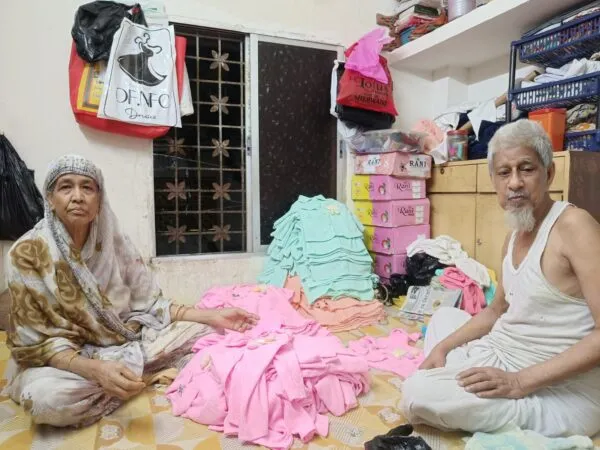
More than 2.7 million voters have been removed from West Bengal's electoral rolls following a Special Intensive Revision (SIR) exercise, a sweeping purge that critics say has disproportionately affected ordinary citizens with legitimate voting rights, according to reporting by The Diplomat.
The deletions, which took place after election authorities conducted the SIR process in the state, have drawn scrutiny from opposition politicians, civil society groups, and the affected individuals themselves, who say they were given little opportunity to contest their removal.
Whose names were removed?
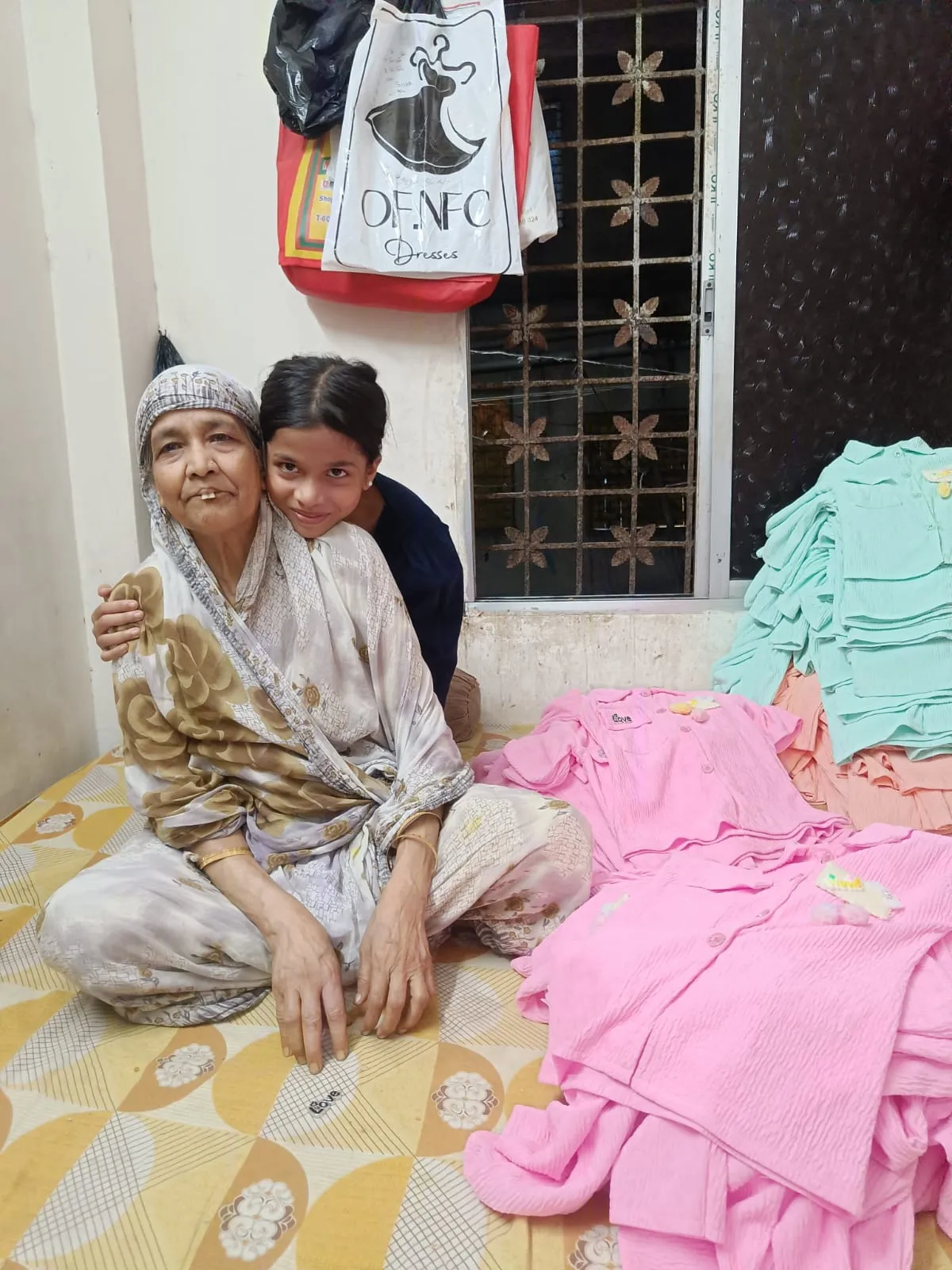
The Diplomat's reporting highlights several cases of residents who discovered their names had been deleted with little to no advance warning. Those affected include long-term residents, elderly citizens, and people from marginalized communities who say they had voted in previous elections without incident.
Many of the deleted voters reported learning of their removal only when they attempted to check their registration status, raising questions about whether adequate notification procedures were followed during the SIR process.
What is the SIR exercise?
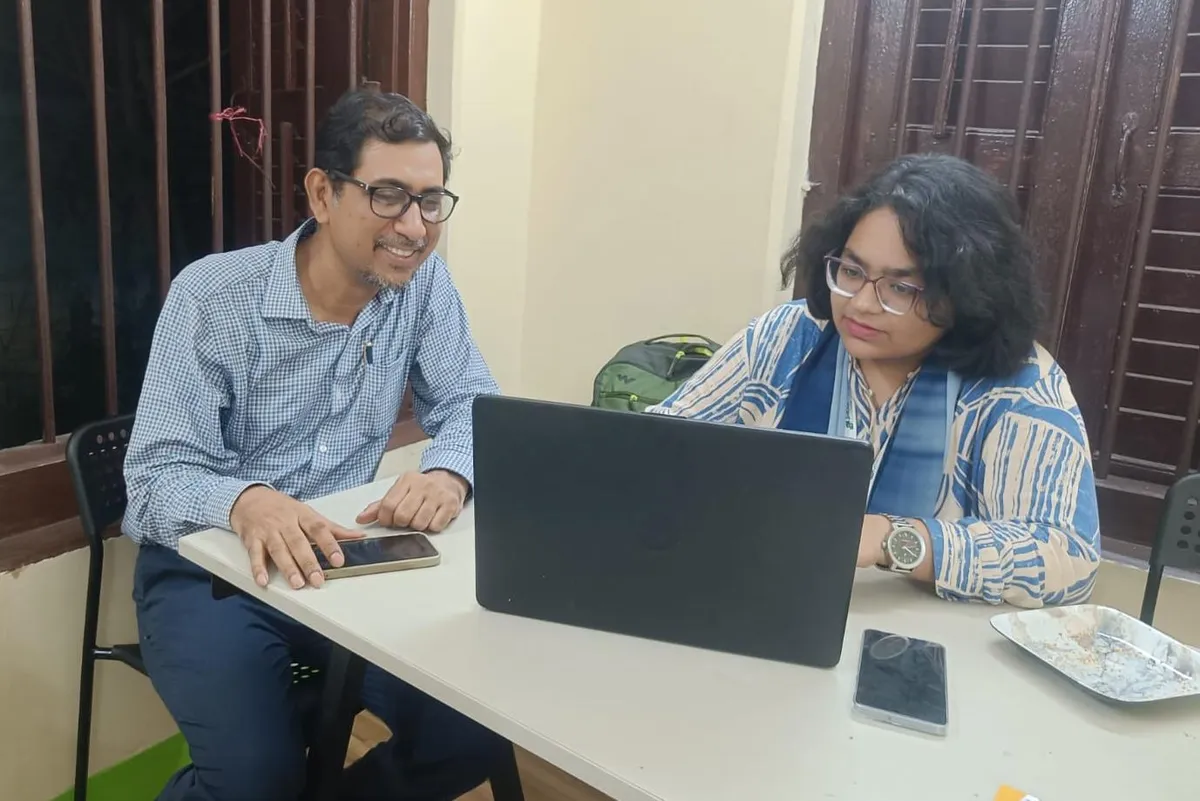
The Special Intensive Revision is a process conducted by election authorities to update and clean up voter lists, ostensibly to remove duplicate entries, deceased voters, and individuals who have relocated. Authorities maintain such reviews are necessary to preserve the accuracy and integrity of the rolls.
However, critics argue that the scale of deletions in West Bengal - a politically contested state with a history of contentious elections - goes far beyond routine maintenance. Opposition parties have alleged the removals are not politically neutral, though election officials have not publicly confirmed such characterizations.

Broader implications
West Bengal is one of India's most electorally significant states, and any large-scale changes to its voter rolls carry substantial political weight. The state has seen intense competition between the ruling Trinamool Congress party and the Bharatiya Janata Party in recent election cycles.
Civil liberties advocates have called for a transparent review process that would allow deleted voters to restore their registrations before upcoming elections. The scale of the removals - affecting roughly 3 to 4 percent of the state's electorate based on population estimates - has amplified those demands.
Election Commission officials had not issued a detailed public response to the specific cases highlighted in The Diplomat's reporting at the time of publication. Affected voters who believe their removal was in error are legally entitled to file objections, though advocates say many are unaware of that right or face practical barriers in doing so.