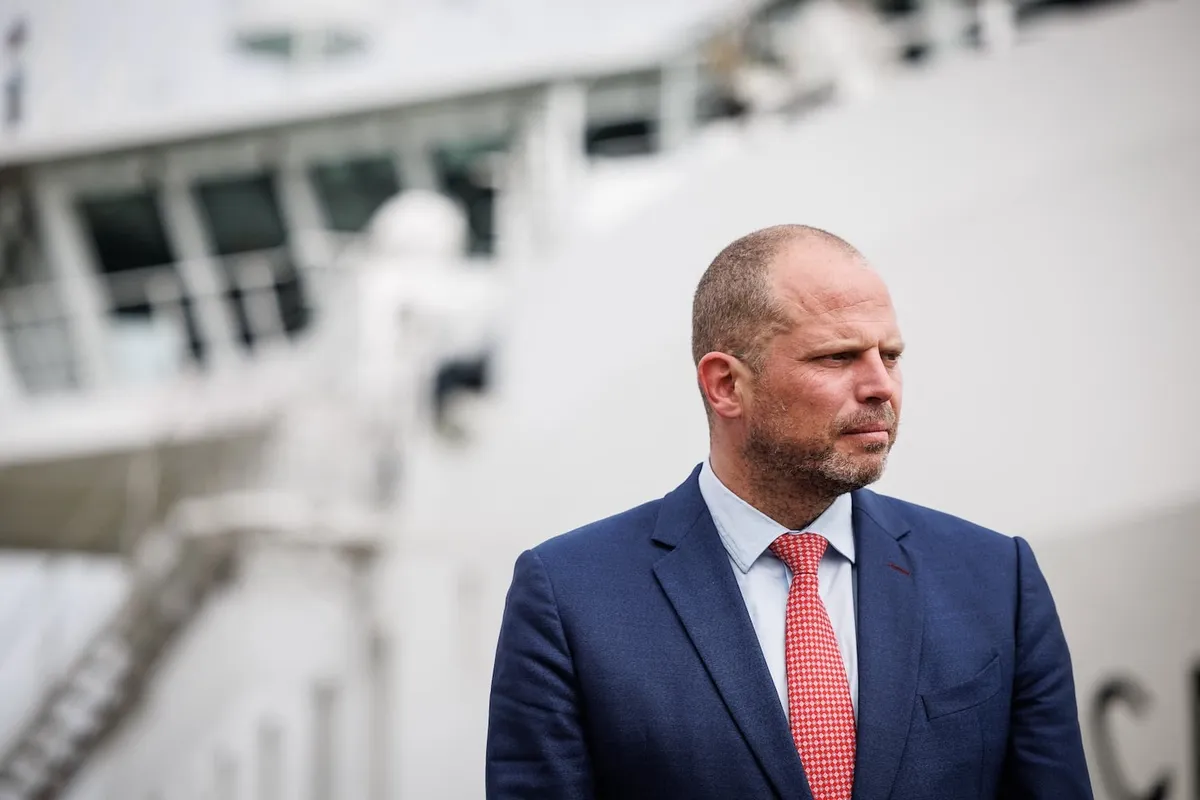
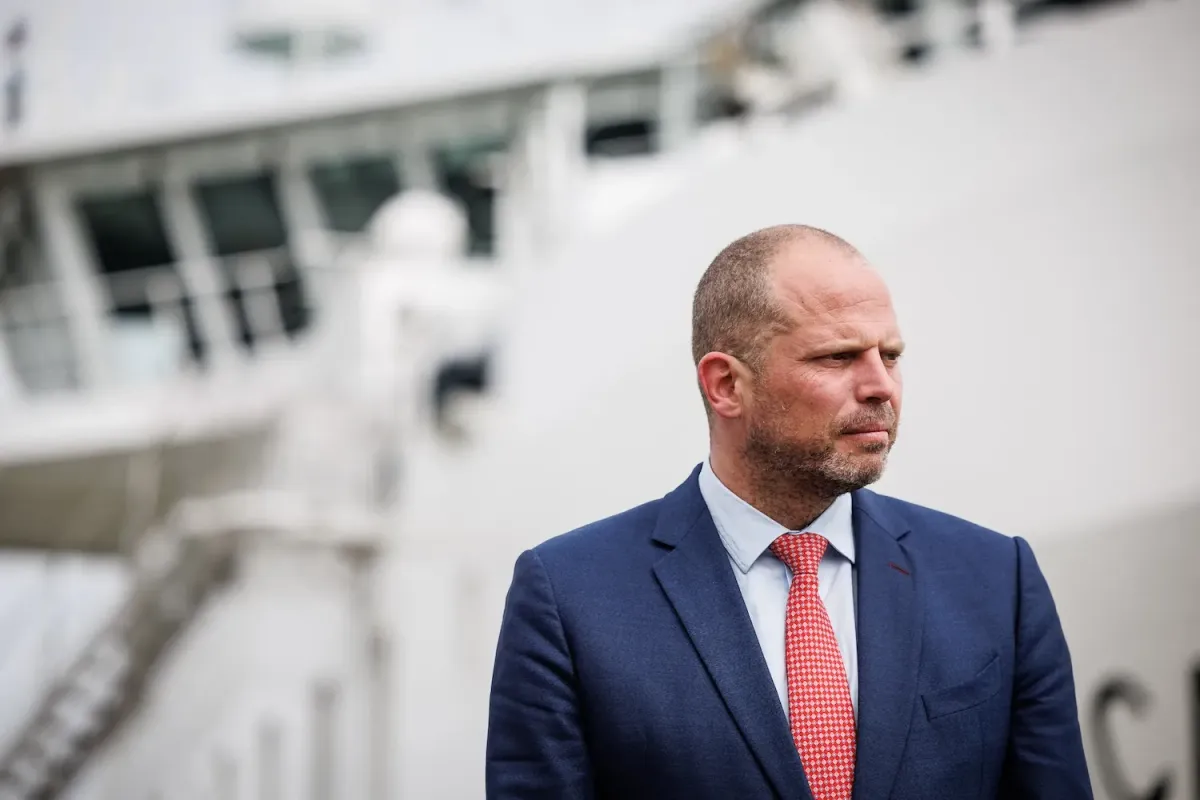
Belgian Defense Minister Theo Francken has issued a pointed assessment of NATO's trajectory, arguing that the alliance's survival depends less on American commitment than on European willingness to take defense seriously, according to an interview published by Foreign Policy.
Francken, speaking amid growing uncertainty over Washington's long-term dedication to the alliance under the Trump administration, framed the challenge in stark terms. "Everything depends on our attitudes," he said, placing responsibility squarely on European member states to demonstrate credibility as security partners.
Hegseth and the transatlantic relationship
The Belgian minister addressed the tenure of U.S. Defense Secretary Pete Hegseth, whose leadership style and public statements have drawn scrutiny from European allies. Francken's remarks reflect a broader unease among NATO members about the reliability and predictability of American defense policy under the current administration.
Rather than openly criticizing Washington, Francken appeared to use Hegseth's posture as a catalyst for arguing that Europe must accelerate its own defense investments and strategic planning - a position that aligns with calls from several European governments to reduce dependency on U.S. security guarantees.

Iran and the Strait of Hormuz
Francken also weighed in on the possibility of military conflict involving Iran, specifically referencing concerns about access to the Strait of Hormuz - a critical chokepoint for global oil shipments. Any disruption to traffic through the strait would carry significant economic consequences for Europe, which relies on energy imports passing through the waterway.
His comments come as diplomatic tensions between the United States and Iran remain elevated, with ongoing disputes over Tehran's nuclear program and regional influence adding pressure to an already volatile situation.

A call for European agency
Throughout the interview, Francken returned to a consistent theme: that European nations cannot afford to be passive observers in determining their own security futures. Belgium, historically one of the NATO members that has struggled to meet the alliance's 2% GDP defense spending target, has in recent years moved to increase its military budget amid pressure from both allies and domestic political shifts.
His framing suggests a recognition among at least some European defense officials that the post-Cold War assumption of guaranteed American protection is no longer a safe foundation for long-term planning.
The full interview was published by Foreign Policy on April 30, 2026.