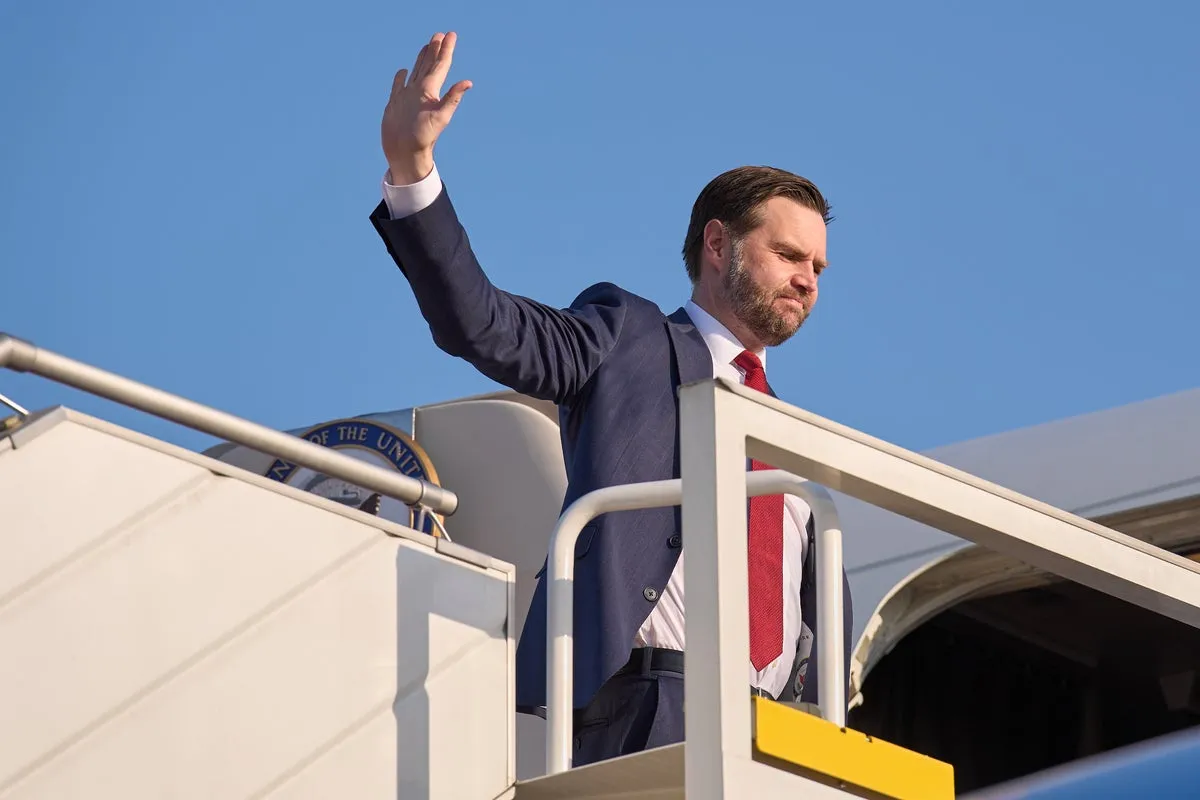
The Trump administration has sent conflicting signals about whether Vice President JD Vance will participate in the next round of nuclear negotiations with Iran, according to reporting by The Independent.
The confusion follows a previous round of talks led by Vance that failed to produce an agreement, raising questions about the direction of Washington's diplomatic strategy with Tehran.

Administration officials have reportedly contradicted one another in recent days over Vance's planned involvement, with some suggesting he would take a leading role in the upcoming session while others indicated he might not attend at all.
A stalled diplomatic process
The negotiations represent one of the most consequential foreign policy efforts of the Trump administration, as Washington seeks to prevent Iran from advancing its nuclear program. The talks have drawn international attention given the decades-long tensions between the two countries and the potential regional consequences of a failed diplomatic process.
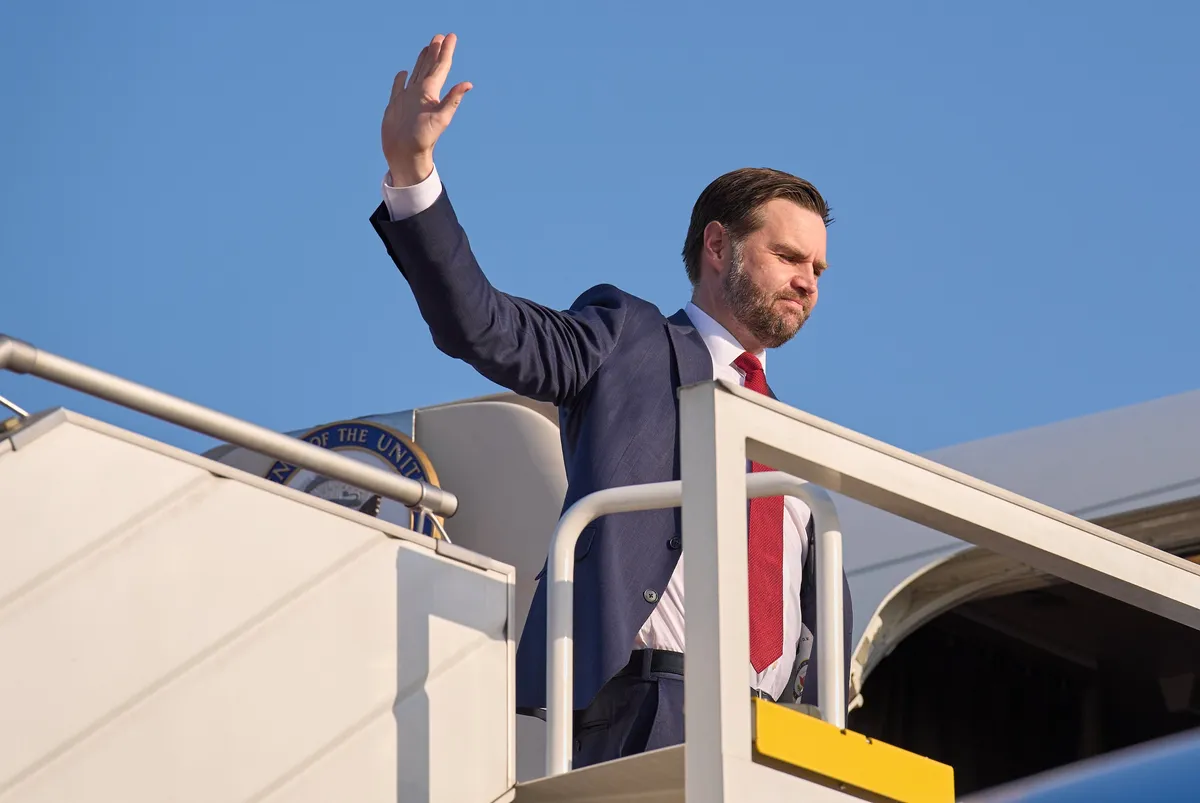
Vance's involvement in the previous round marked a high-profile commitment by the administration to the negotiations. The failure of that session to yield a breakthrough has prompted internal debate, according to The Independent's reporting, about how to structure the next engagement.
Uncertainty over next steps
The back-and-forth over Vance's participation reflects broader uncertainty about the administration's negotiating posture heading into the next round. It remains unclear whether a change in representation would signal a shift in strategy or simply a logistical adjustment.
Iran has not publicly commented on the reported confusion within the U.S. delegation structure. The timeline for the next round of talks has also not been formally confirmed by either side.
The Independent did not attribute the conflicting statements to named officials, describing them as part of a pattern of mixed messaging from within the administration over several days.
The outcome of the negotiations carries significant implications not only for U.S.-Iran relations but also for broader Middle East stability and the international nonproliferation framework that has sought to limit Tehran's nuclear ambitions.