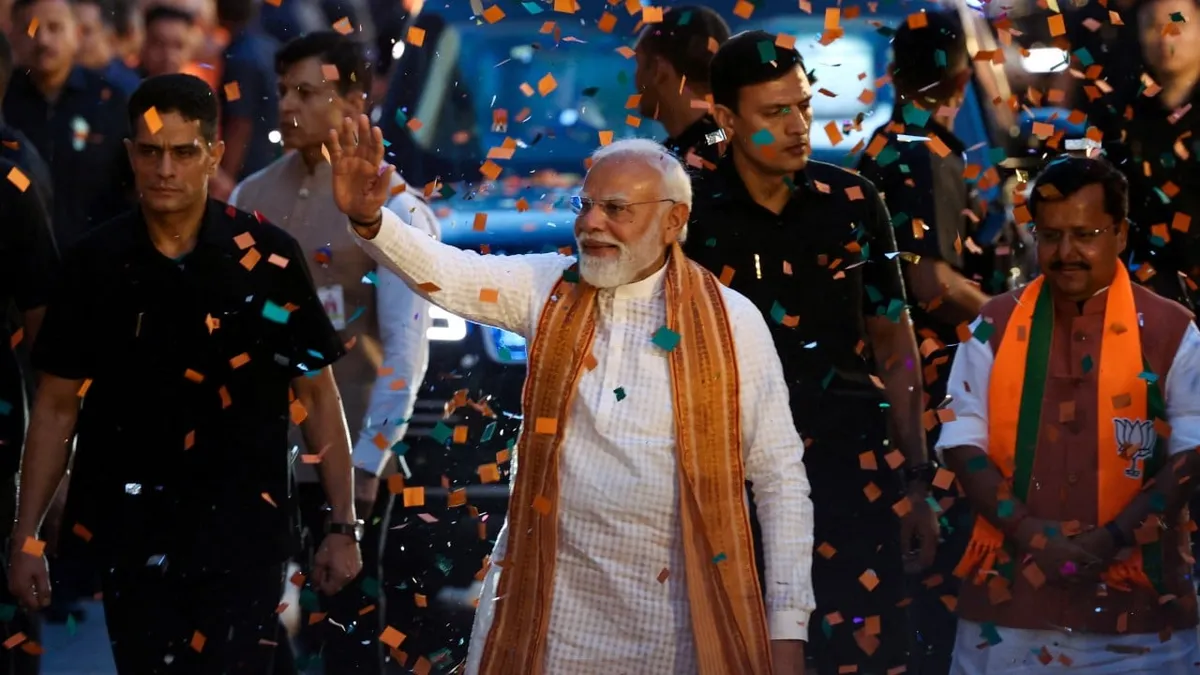
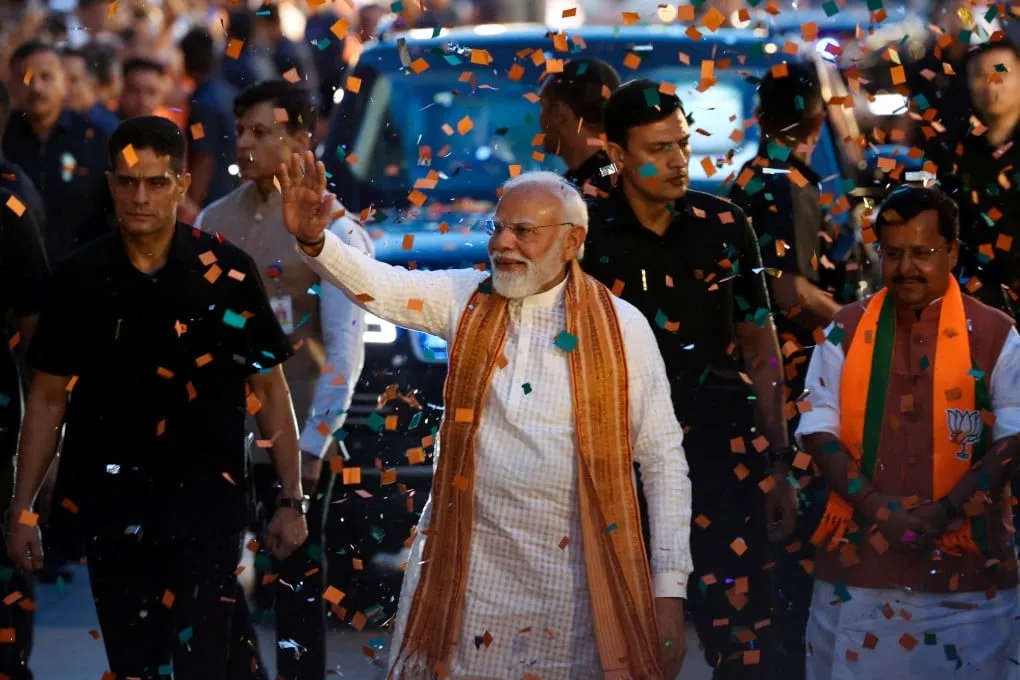
If Indian politics were a video game, Narendra Modi just pulled off what speedrunners call a "recovery run." You die on the main stage, lose your powers, everyone says the boss is done - and then you quietly go on to conquer almost every single level on the map.
After his Bharatiya Janata Party (BJP) lost its outright parliamentary majority in India's 2024 general elections, political analysts were sharpening their "weakened Modi" takes. Some were already writing the retrospective. Spoiler alert: they were very, very wrong.
207 out of 294. Read that again.
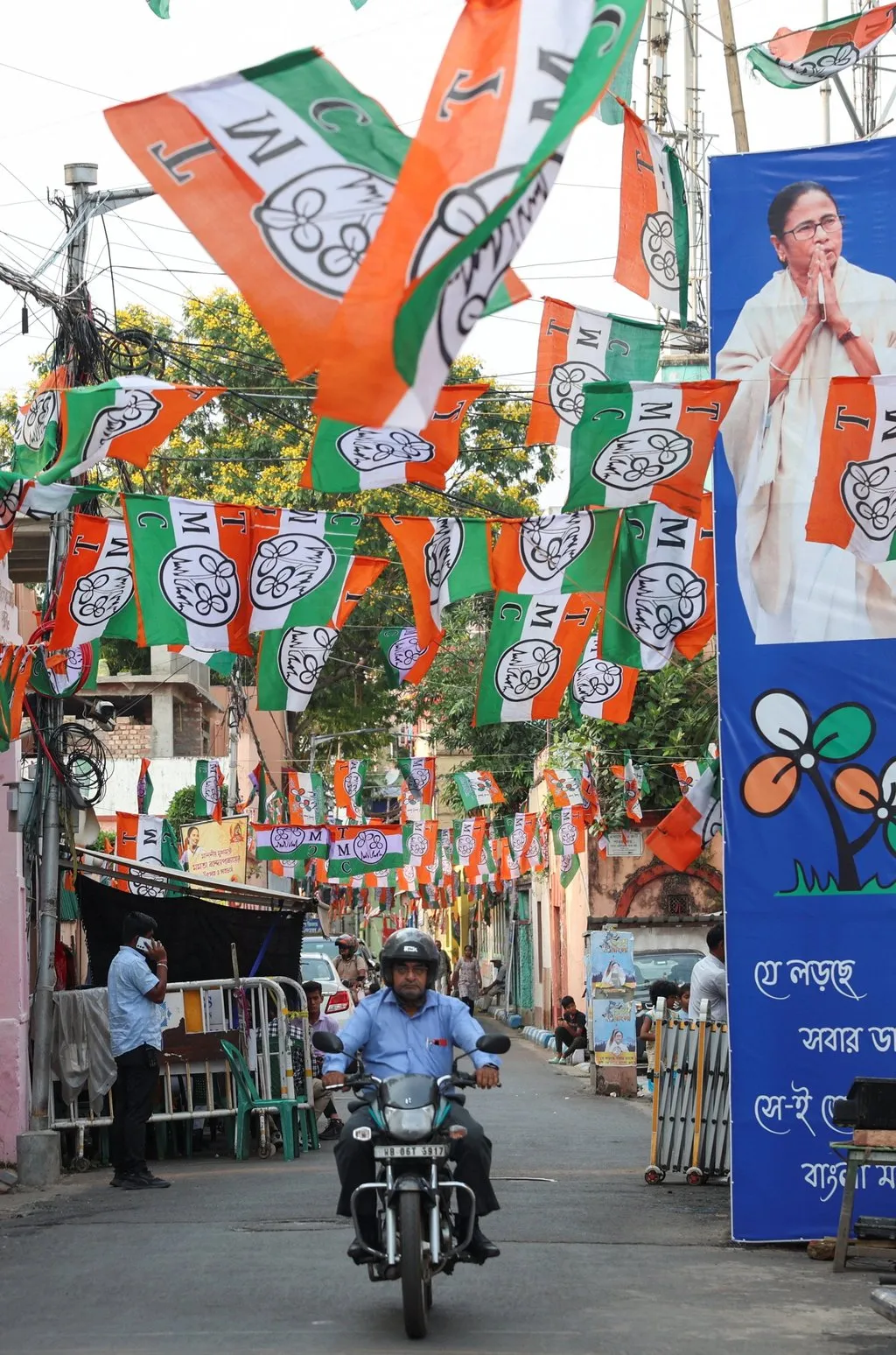
The BJP has just completed a historic sweep of West Bengal, capturing 207 of 294 assembly seats, according to reporting by the South China Morning Post. This is not a win. This is a demolition. West Bengal, for context, had been ruled by Mamata Banerjee's Trinamool Congress for three consecutive terms - a political fortress that the BJP had been battering against for years.
It fell. Completely.
So what does this actually mean?
The numbers tell a story that would have seemed like political fan fiction just a year ago. Modi's ruling coalition, the National Democratic Alliance (NDA), now controls approximately 70 percent of India's state legislatures, per the SCMP report. That is an extraordinary concentration of political power for a leader who, after the 2024 parliamentary results, was briefly being discussed in the past tense.
India operates as a federal system where state governments hold significant sway - over law and order, land, local administration, and crucially, on-the-ground political machinery. Controlling 70 percent of that landscape is not just symbolic. It is structural leverage heading into future national elections.
The comeback nobody saw coming
The West Bengal result caps a remarkable reversal of political fortunes. After 2024, the BJP had to govern nationally through coalition partners, a constraint that genuinely trimmed Modi's room for manoeuvre. At the state level, however, the party has been on an expansion tear - and West Bengal represents its biggest single trophy yet.
Whether this translates back into parliamentary dominance in 2029 remains an open question. But one thing is now inarguable: the reports of Modi's political decline were, to borrow a phrase, greatly exaggerated.
The man who lost a majority is now sitting on 70 percent of India's state power. Somewhere, a political science professor is frantically rewriting their lecture notes.