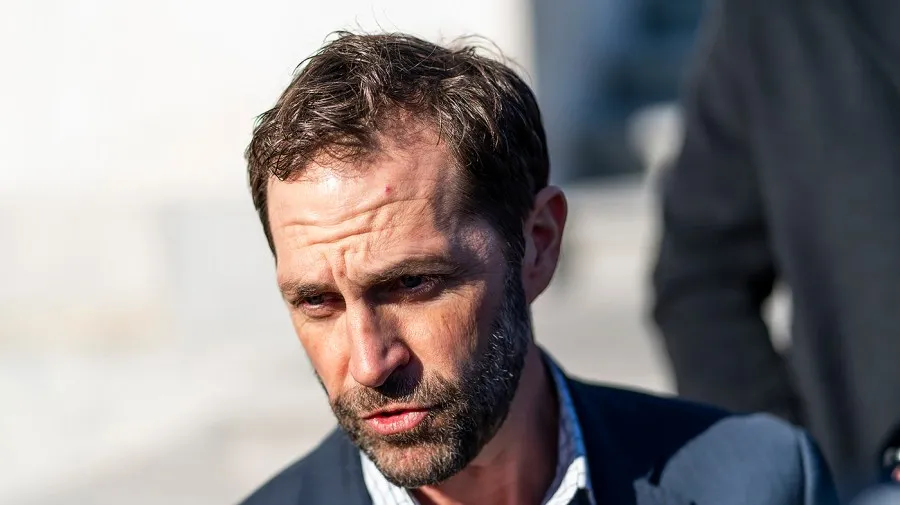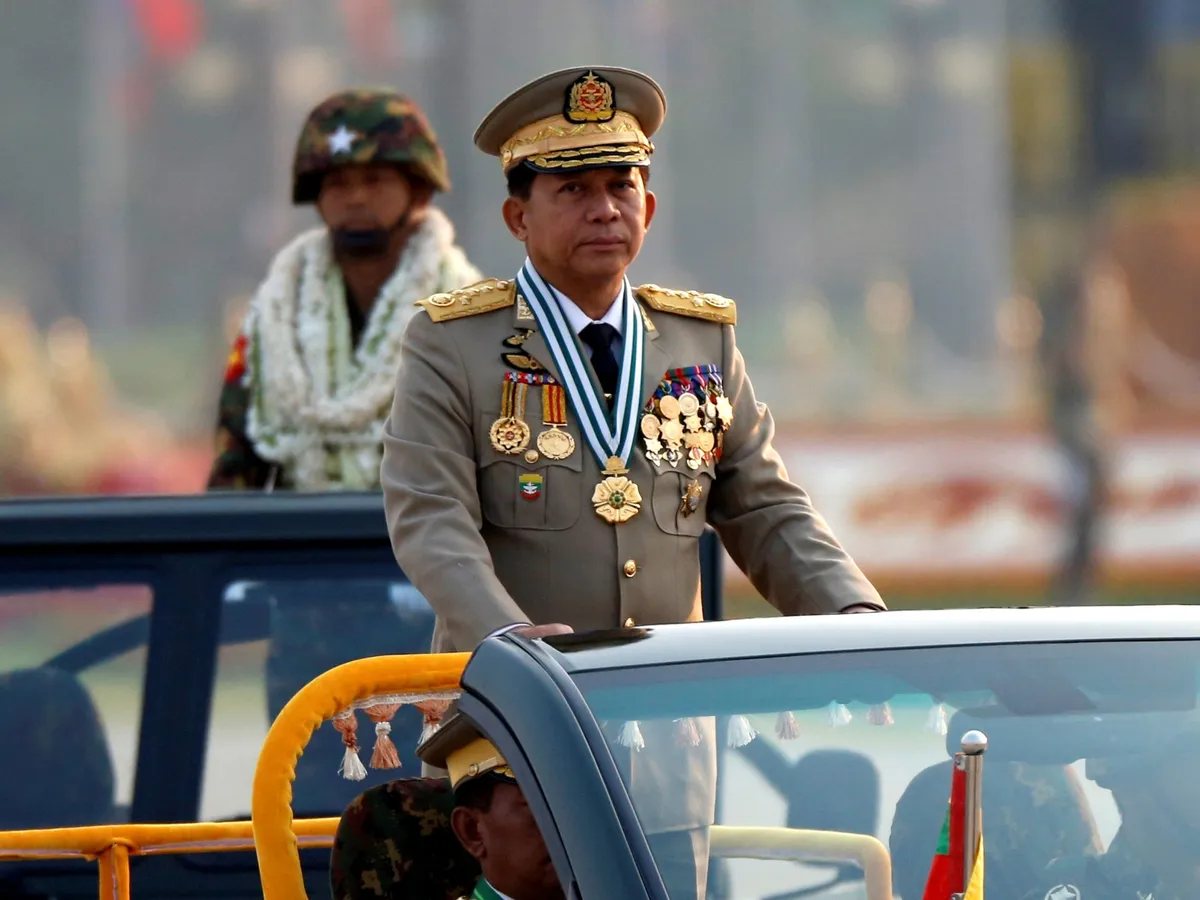
In a move that raises more questions than it answers, Myanmar's military junta has pardoned over 4,000 prisoners, including Win Myint - the democratically elected president the military arrested when it seized power in February 2021. Al Jazeera reported the development on April 17, 2026.
So what actually happened?
Win Myint, who was ousted in the junta's coup alongside State Counsellor Aung San Suu Kyi, is among those released in what appears to be a mass pardoning exercise by the military government. These sweeping prisoner releases are not unusual in Myanmar - the junta has historically used them as public relations gestures, often timed around Buddhist holidays or significant national dates.
As for Aung San Suu Kyi - the Nobel Peace Prize laureate who was handed a staggering series of sentences that accumulated to decades behind bars - her lawyer claims her jail term has been reduced. However, reduced is doing a lot of heavy lifting in that sentence. She remains detained, and there is no indication she is about to rejoin the outside world anytime soon, according to the Al Jazeera report.
Let's put this in context, because wow, context is needed
The February 2021 coup upended a fragile but functioning democratic transition in Myanmar. The military, known as the Tatmadaw, claimed the elections were fraudulent - a claim that independent observers roundly rejected. What followed was a brutal crackdown on protesters, a civil war that has displaced millions, and international sanctions that have done... something, presumably.
Win Myint's pardon is symbolically significant, but analysts and human rights observers will likely note that releasing the person you illegally detained does not exactly earn you a gold star for democratic governance. The junta still runs the country, the civil conflict is still ongoing, and Aung San Suu Kyi is still not free.
The bigger picture
Myanmar has been in varying states of military control for most of its post-independence history, and the current junta - the State Administration Council - has faced sustained armed resistance from ethnic armed organizations and the People's Defence Force since the coup. Whether this mass pardon signals any softening of position, or is simply a calculated optics exercise, remains unclear.
Human rights groups have long called for the unconditional release of all political prisoners in Myanmar, a number that human rights organizations estimate in the thousands beyond today's pardons.
Watch this space - though if the last five years are any guide, "watching this space" mostly means watching a slow-motion disaster with occasional confusing plot twists.