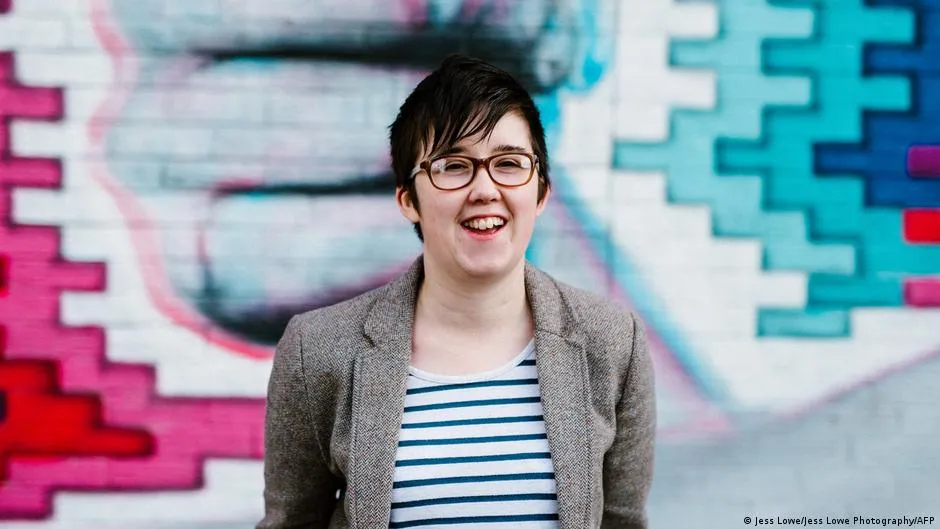
If you were hoping for a satisfying courtroom ending to one of the most high-profile journalist killings in recent Irish history, brace yourself for disappointment. According to reporting by DW, three men accused in connection with the 2019 murder of journalist Lyra McKee have been acquitted, with Judge Patricia Smyth ruling that the evidence simply was not strong enough to support a conviction.
Who was Lyra McKee?
McKee was a 29-year-old journalist covering the Creggan estate riots in Londonderry (also known as Derry) on the night of April 18, 2019, when she was shot and killed. She had been standing near police lines during clashes between Republican dissident groups and security forces when a gunman opened fire. The New IRA, a dissident Republican paramilitary organisation, subsequently claimed responsibility for her death and issued an apology - describing the killing as an accident.
McKee was widely respected in journalism circles, known particularly for her work investigating legacy issues from the Troubles and LGBTQ+ rights in Northern Ireland. Her death triggered an outpouring of grief across political divides in Ireland and beyond.
What happened in court?
Three men stood trial over the killing. Judge Smyth, according to DW's reporting, found that the prosecution's case fell short of the threshold required for conviction. The judgment highlights a recurring and deeply frustrating reality in cases connected to paramilitary violence in Northern Ireland - witnesses are often reluctant to come forward, and physical evidence can be difficult to pin decisively to specific individuals.
McKee's family, who have waited years for justice, expressed their disappointment at the outcome. That response is, frankly, hard to argue with.
A justice gap that refuses to close
The acquittals reignite a painful and complicated conversation about accountability in Northern Ireland - both for Troubles-era crimes and for more recent paramilitary activity. The New IRA admitted their gunman fired the fatal shot, yet translating that admission into a successful prosecution has proven elusive.
For press freedom advocates, the case is a grim reminder of the dangers journalists face when covering civil unrest - and of the difficulty in delivering justice when those dangers turn fatal. McKee was not a combatant. She was doing her job.
The case, as reported by DW, now leaves her killing officially without a convicted perpetrator - a result that serves no one except, presumably, the people responsible.