NASA has determined that a helium leak discovered in the Orion spacecraft poses no safety risk to the Artemis II crew during reentry, but the agency will require a hardware redesign before any subsequent lunar missions can proceed, according to a report by Ars Technica.
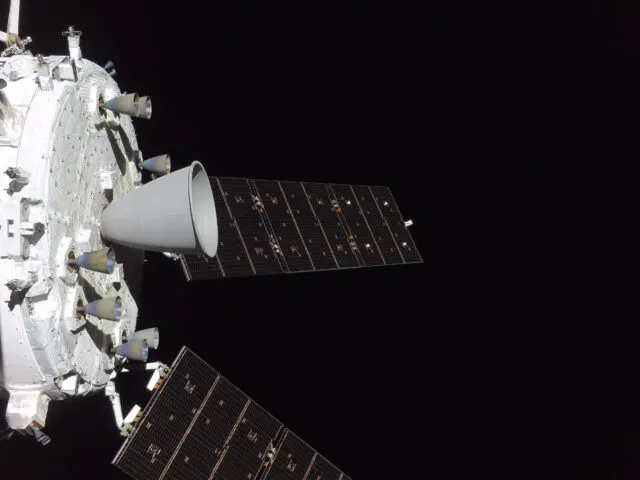
The leak, identified in Orion's propulsion system, follows a similar issue that affected the Artemis I uncrewed mission. The recurrence of the problem across two consecutive spacecraft has prompted NASA officials to conclude that the current valve design is insufficient for long-duration lunar operations.
What the leak means for Artemis II
Artemis II is scheduled to carry four astronauts on a flight around the Moon - the first crewed lunar mission since Apollo 17 in 1972. NASA has assessed that the helium leak will not compromise the spacecraft's ability to complete its reentry and splashdown safely, allowing the mission to proceed on its current timeline.
Helium is used in Orion's propulsion system to pressurize fuel and oxidizer tanks. A loss of helium pressure could, in more severe scenarios, affect the spacecraft's ability to perform critical engine burns. NASA's assessment indicates the leak rate remains within acceptable limits for the duration of the planned mission.

Redesign required for future flights
Despite the cleared status for Artemis II, NASA has signaled that the valve configuration responsible for the leaks will need to be changed before the Orion capsule flies again. Artemis III, which is intended to land astronauts on the lunar surface, would be among the missions affected by any delays stemming from the redesign effort.
The agency has not yet publicly detailed the specific scope or timeline of the valve redesign, according to Ars Technica's reporting. Engineering teams are said to be working to identify the root cause and develop a solution that prevents recurrence on future spacecraft.

Broader context for Artemis
The Artemis program has faced a series of technical and schedule challenges since its inception. Artemis I launched in November 2022 after years of delays tied to the Space Launch System rocket and the Orion capsule. Artemis II has similarly seen its launch date pushed back multiple times.
A valve redesign introduces another variable into a program already under pressure to demonstrate progress. NASA and its international partners, including the European Space Agency, which provides Orion's service module, will need to coordinate on any hardware modifications that affect shared systems.
NASA has not issued a formal public statement on the redesign timeline as of the time of reporting.