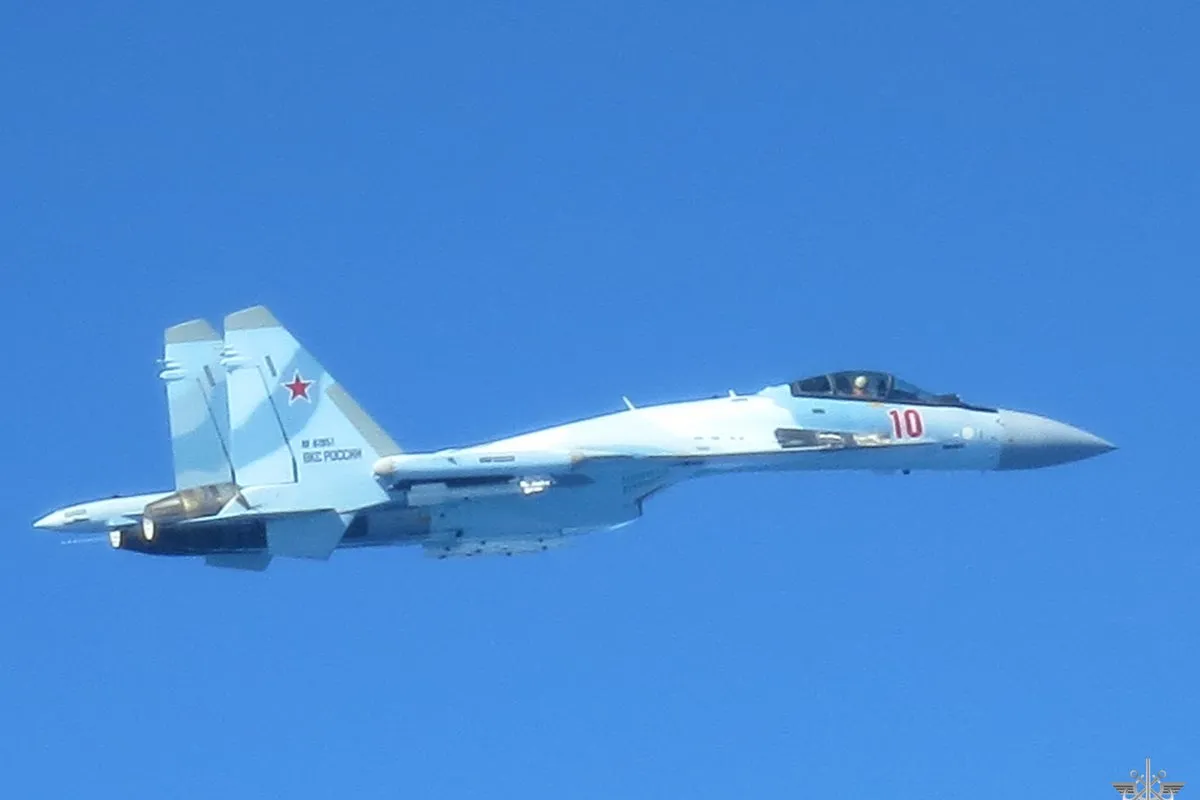
In what is becoming the world's most tense game of aerial tag, NATO fighter jets were scrambled over the Baltic Sea to intercept a formation of Russian military aircraft, according to a report by The Independent. Think of it as an unwanted escort service - except everyone involved has missiles.
What actually happened
Multiple NATO aircraft were tasked with monitoring the Russian formation as it made its way through a region that has become one of the most watched stretches of sky on Earth. The Baltic Sea, sandwiched between NATO member states and Russia's Kaliningrad exclave, has essentially become a full-time aerial drama series - and the alliance is not about to stop watching.

The scramble is consistent with standard NATO procedure: when unidentified or unwanted military aircraft approach alliance airspace, member nations launch interceptors to monitor, identify, and - if needed - escort the intruders away. It is less Top Gun and more very aggressive neighbourhood watch.
Why the Baltic Sea is basically NATO's most stressful backyard
The region has seen a dramatic spike in military activity since Russia's full-scale invasion of Ukraine in February 2022. Finland and Sweden's subsequent accession to NATO has further hemmed in Russian air and naval activity in the area, turning what was already a geopolitically spicy stretch of water into something approaching a full-time military monitoring operation.
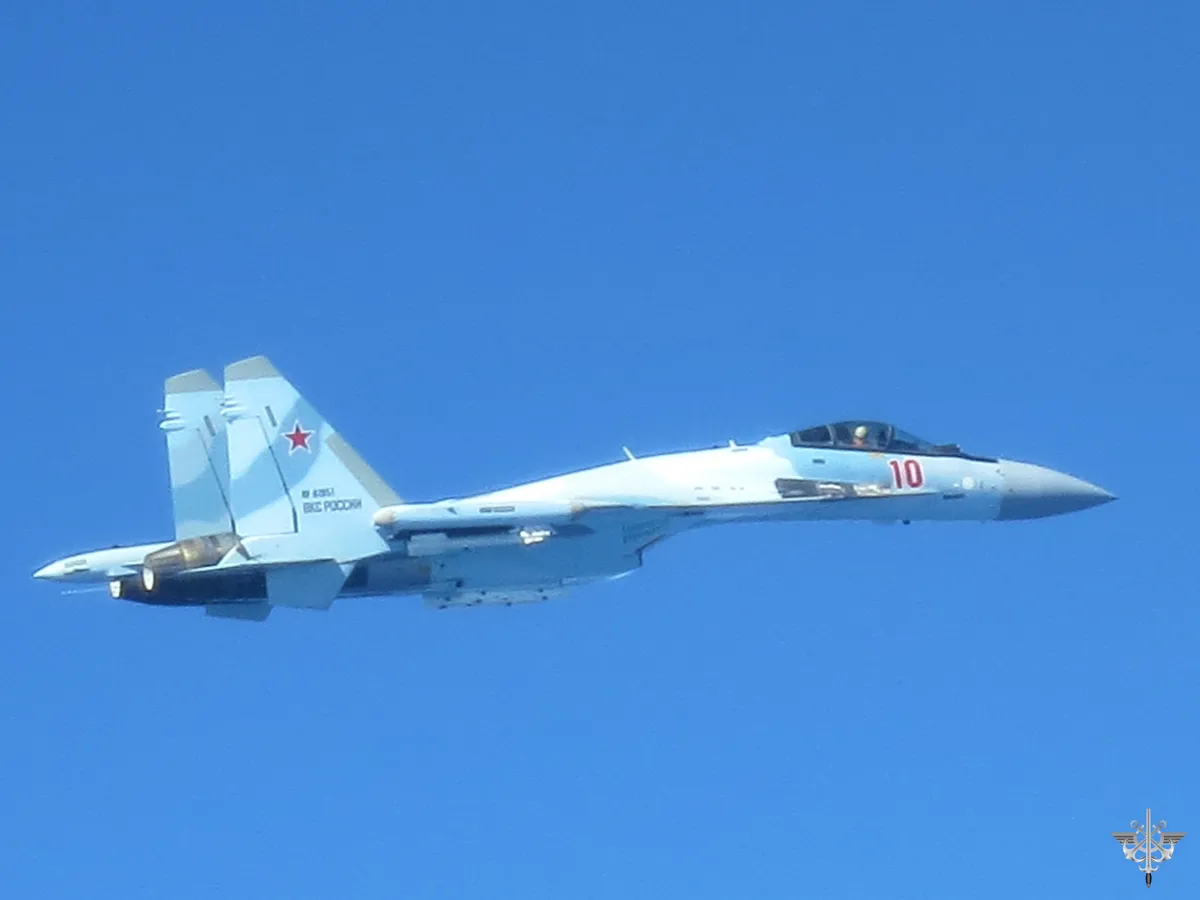
Russia regularly conducts military flights in international airspace - which is entirely legal - but the proximity to NATO borders means the alliance treats every formation as worthy of a closer look. It is the geopolitical equivalent of your neighbour mowing the lawn at 6 AM: technically allowed, deeply annoying, and absolutely being documented.
The bigger picture
Intercepts like this happen with enough regularity that NATO's Baltic Air Policing mission - a rotating deployment of alliance fighter jets based in Estonia and Lithuania - essentially exists for this purpose. Member states take turns hosting the jets, and the mission has been significantly reinforced since 2022.
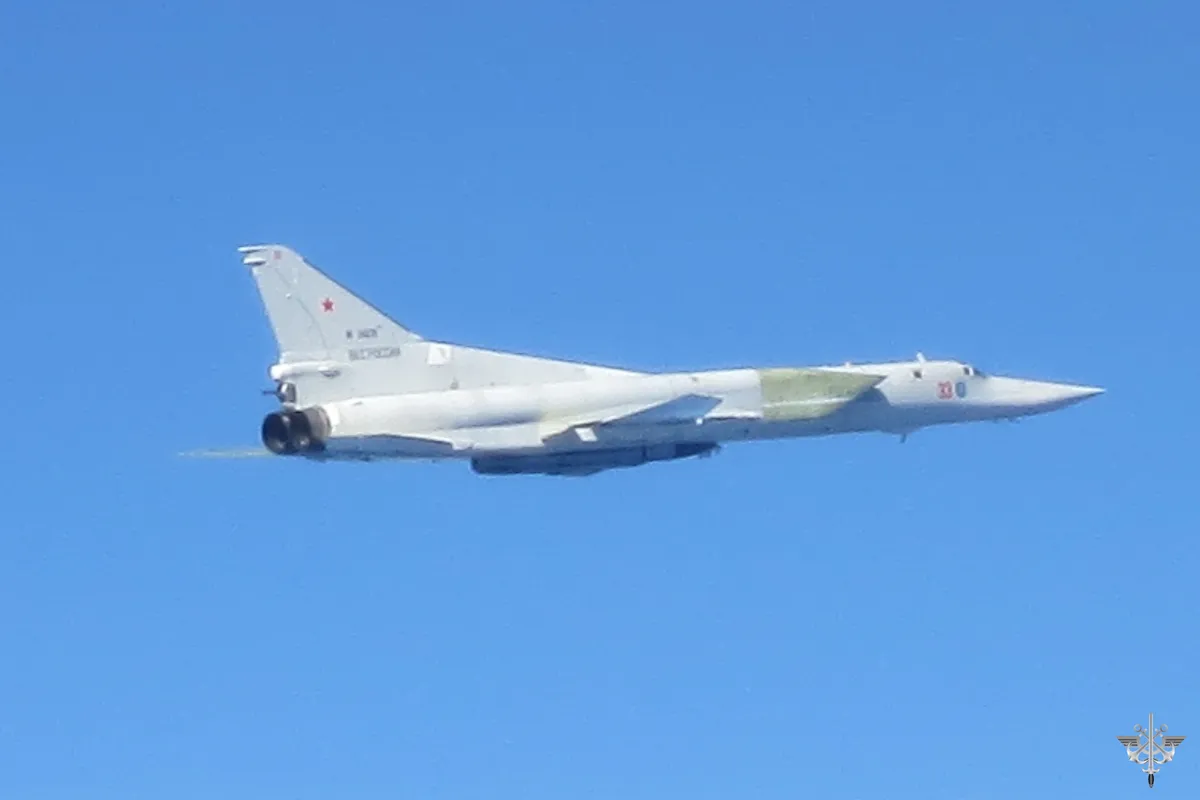
No hostile action was reported in connection with this latest intercept. As is typical in these situations, the Russian aircraft were monitored and the situation was managed without incident - which, given the current state of East-West relations, genuinely counts as a win.
Russia has not issued any official comment on the intercept at the time of writing, which is also very on brand.