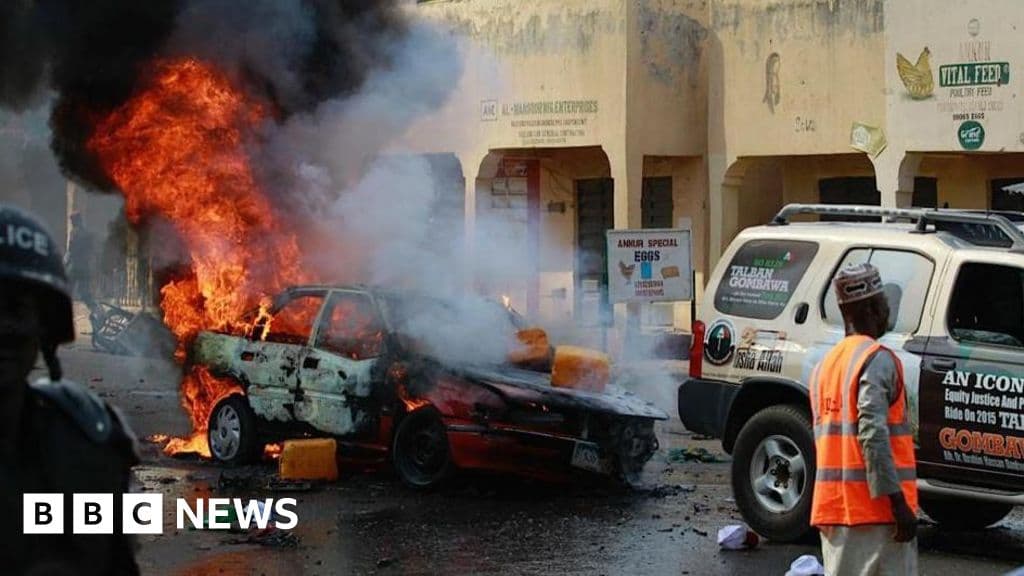
Nigerian courts have sentenced nearly 400 individuals for ties to militant Islamist groups following a series of mass trials, according to reporting by the BBC.
Judges handed down a range of penalties, with sentences spanning from five years in prison to life imprisonment, depending on the severity of each case.
The convictions represent one of the largest mass sentencing efforts in Nigeria's ongoing battle against Islamist militancy, which has destabilized large parts of the country's northeast for more than a decade.
Long-running insurgency
Nigeria has faced persistent violence from groups including Boko Haram and its offshoot, the Islamic State West Africa Province (ISWAP). The conflict, which began around 2009, has killed tens of thousands of people and displaced millions more across the Lake Chad Basin region, affecting Nigeria, Niger, Chad, and Cameroon.
Nigerian authorities have pursued legal proceedings against large numbers of suspected militants and collaborators as part of a broader counterterrorism strategy. Critics of such mass trials have previously raised concerns about due process and the conditions under which confessions or evidence may be obtained, though Nigerian officials have defended the proceedings as necessary and legally sound.
Regional and international context
The sentences come as Nigeria continues to grapple with overlapping security crises, including banditry and communal violence in its northwest and middle belt regions, alongside the persistent Islamist insurgency in the northeast.
International partners, including the United States and European Union, have provided counterterrorism assistance to Nigeria over the years, though the relationship has at times been complicated by human rights concerns raised by advocacy organizations regarding the treatment of detainees.
The BBC did not provide further breakdown of which specific militant organizations the convicted individuals were linked to, or the proportion of defendants who received the more severe sentences versus lighter terms.
Nigerian authorities have not issued a detailed public statement on the rulings beyond the broad figures reported. Further details on the trials, including the courts involved and the location of sentencing, were not immediately available from the source material.