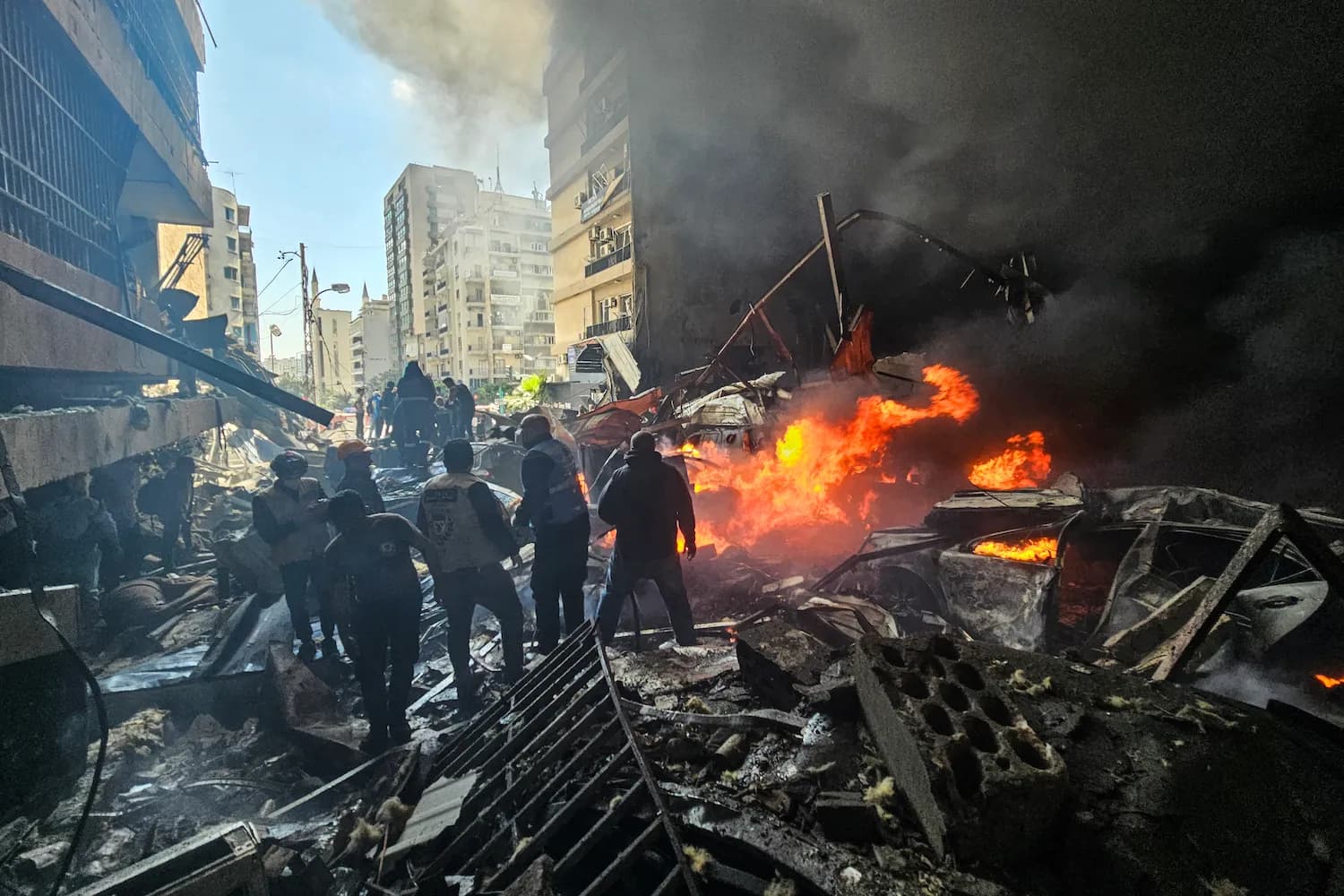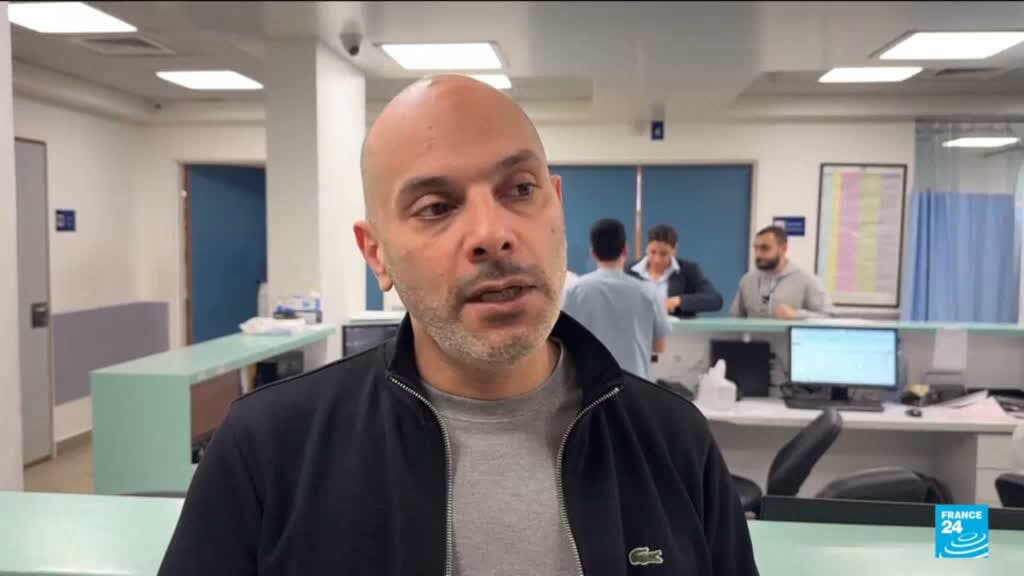
Hospitals in Beirut were struggling to manage a surge of casualties on Thursday as survivors described scenes of widespread destruction following what observers described as one of the most intense Israeli bombardments of Lebanon's capital in recent weeks, according to France 24.
Wednesday's strikes marked the deadliest single day in Lebanon since the resumption of hostilities between Israel and the Lebanese militant group Hezbollah more than five weeks ago, according to the report.
Medical system under strain
Healthcare facilities in Beirut faced acute pressure as wounded civilians arrived in large numbers following the strikes. Medical staff worked to treat casualties while resources were stretched thin, the report indicated.
Survivors recounted scenes of carnage in the aftermath of the bombardment, describing the immediate chaos that followed the strikes across the Lebanese capital.
Renewed conflict
The strikes come amid an ongoing military confrontation between Israel and Hezbollah that has escalated significantly in recent weeks. Israel has maintained that its military operations target Hezbollah infrastructure and personnel, while critics and humanitarian organizations have repeatedly raised concerns about the impact on Lebanese civilians.
The renewed conflict has placed Lebanon's already strained health system under considerable stress. The country's medical infrastructure had faced serious challenges even before the latest escalation, following years of economic crisis and the catastrophic 2020 Beirut port explosion.
Regional implications
The escalation in Lebanon continues to draw international concern, with the humanitarian situation in Beirut deteriorating as civilian casualties mount. Diplomatic efforts to broker a ceasefire have so far failed to halt the fighting between Israeli forces and Hezbollah.
Lebanon's government and international health agencies have not yet released comprehensive figures on the total number of casualties from Wednesday's strikes, according to the France 24 report.
The situation in Beirut remains fluid, with residents and aid workers monitoring further potential strikes while hospitals continued to receive and treat the wounded.