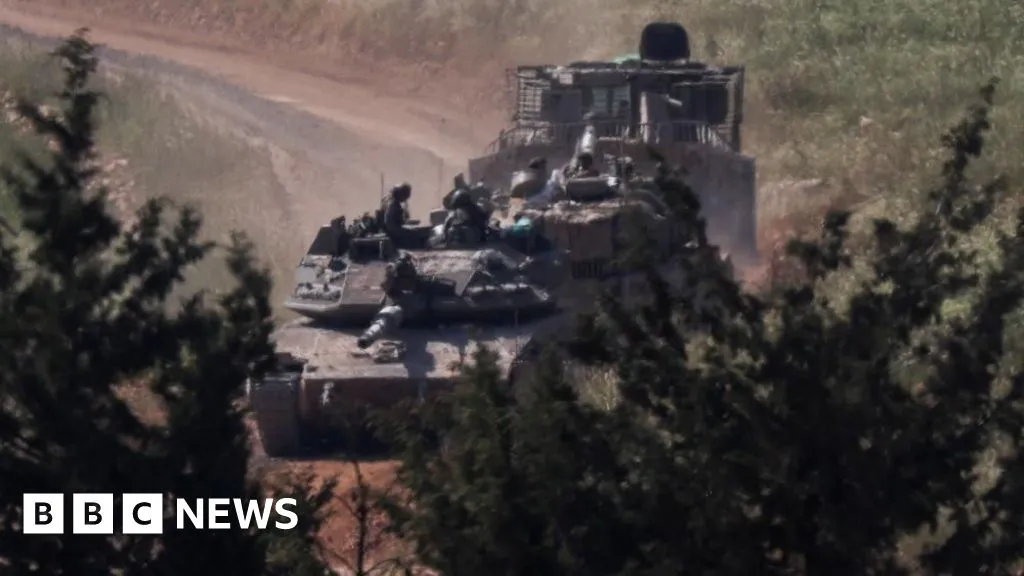
Israeli Prime Minister Benjamin Netanyahu has directed the Israeli military to intensify operations against Hezbollah in Lebanon, issuing an order for troops to attack the group 'vigorously,' according to reporting by the BBC.
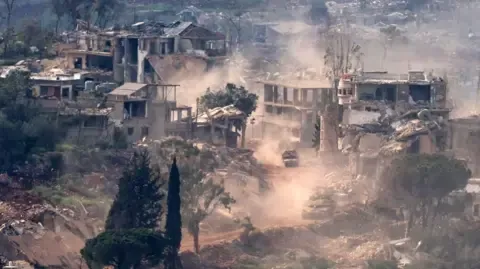
The directive came even as a ceasefire agreement between Israel and Hezbollah was extended by three weeks, raising questions about the durability of the truce. Six people were reported killed in strikes in Lebanon despite the extended ceasefire being in effect.
Ceasefire under strain
The ceasefire, which had halted months of intense fighting between Israeli forces and the Iran-backed Lebanese militant group, was extended in an effort to give diplomats more time to negotiate a longer-term arrangement. However, the reported strikes and Netanyahu's latest order suggest the pause in hostilities remains fragile.
Hezbollah and Israel have traded accusations over violations of the agreement since it first came into force. Israel has justified continued military activity by citing what it describes as ongoing threats from Hezbollah positions in Lebanese territory.
Regional context
The conflict between Israel and Hezbollah escalated sharply in 2024, with both sides suffering significant casualties and large numbers of civilians displaced in southern Lebanon and northern Israel. The ceasefire, brokered with involvement from the United States and France, was intended as a step toward a more lasting resolution.
Hezbollah, which is designated a terrorist organization by the United States and the European Union, has long maintained a heavily armed presence in southern Lebanon. The group fought a major war with Israel in 2006, and the latest round of fighting marked the most serious escalation since that conflict.

The Lebanese government, which has limited authority over Hezbollah's military wing, has called for a full cessation of hostilities and the withdrawal of Israeli forces from Lebanese soil.
International reaction
The latest reports of strikes and Netanyahu's public order to attack drew concern from international observers who had hoped the ceasefire extension would reduce tensions. No formal international response had been reported at the time of publication.
The situation continues to be closely monitored by regional powers and Western governments, who have expressed concern that renewed fighting could destabilize an already volatile region amid the broader conflict in Gaza.