
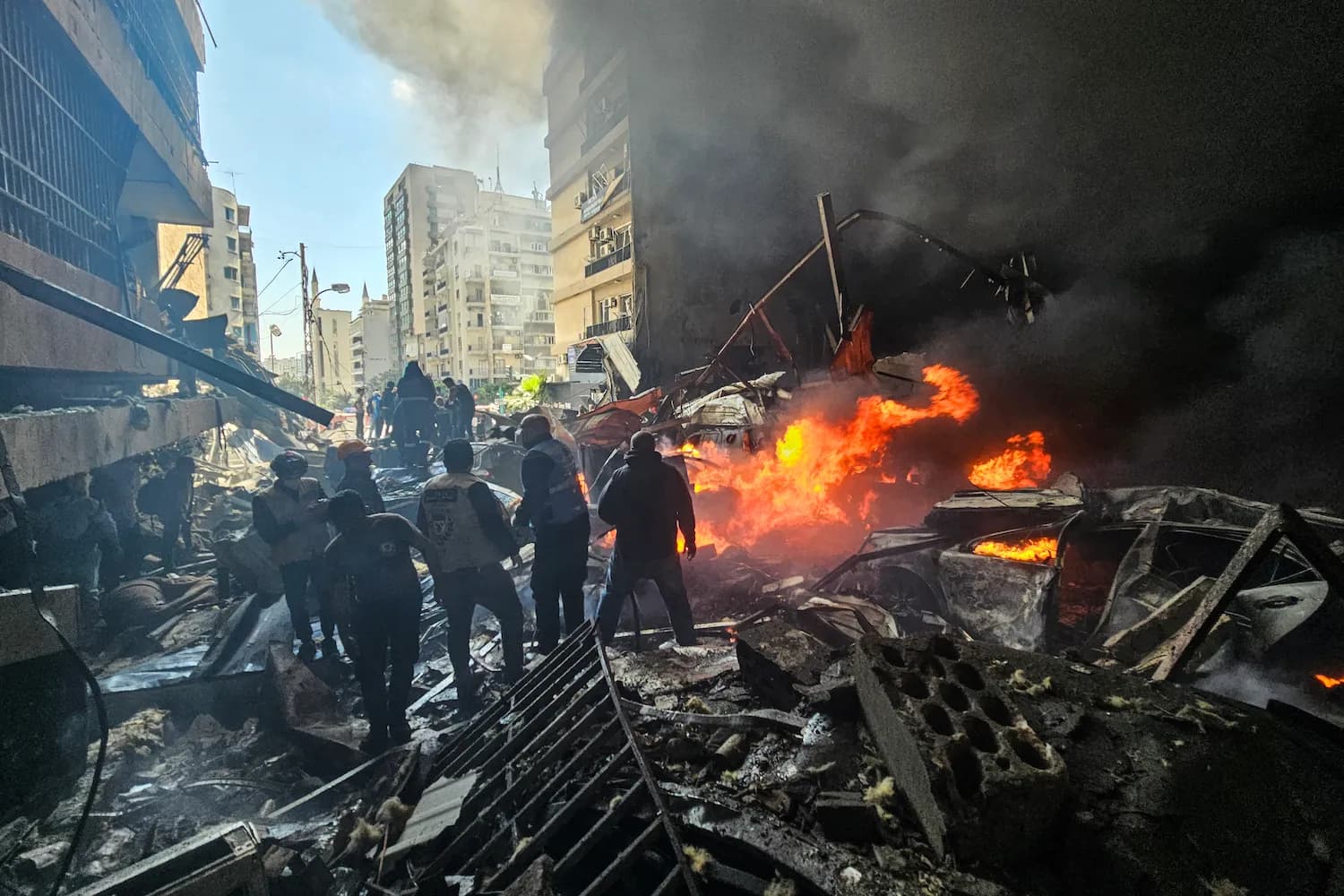
Israel's ongoing military offensive in Lebanon is emerging as a serious threat to a tenuous cease-fire connected to broader hostilities involving Iran, according to reporting by Foreign Policy. The situation has drawn renewed attention to Prime Minister Benjamin Netanyahu's strategic calculations and their potential consequences for regional stability.
A fragile truce under strain
The cease-fire, which had been seen as a critical step toward de-escalation across the Middle East, now faces mounting pressure as Israeli military operations in Lebanon continue. Foreign Policy reports that the offensive is threatening to unravel diplomatic progress that had been achieved in the context of the wider Iran conflict.
The situation places the United States in a difficult position, as the Trump administration has sought to manage tensions across the region while dealing with multiple overlapping crises. Israel's actions risk undermining frameworks that involve multiple regional and international actors.
Netanyahu's role at the center
The Israeli prime minister has long pursued an aggressive posture toward both Hezbollah in Lebanon and Iran, viewing military pressure as the primary tool for achieving Israeli security objectives. Critics of Netanyahu's approach argue that the continued offensive risks sacrificing a broader diplomatic framework for more immediate tactical gains.
Supporters of Israel's position contend that military operations against Hezbollah are necessary to prevent the Lebanese militant group from rearming and reconstituting its capabilities near Israel's northern border - a concern that Israeli officials have consistently cited as a core security imperative.
Regional and international dimensions
The situation illustrates the layered complexity of Middle East diplomacy, where bilateral conflicts between Israel and individual actors such as Hezbollah are deeply intertwined with broader regional rivalries, particularly the long-running confrontation between Israel and Iran.
Any collapse of the cease-fire arrangement could have cascading effects across the region, potentially drawing in other parties and complicating efforts to prevent a wider escalation. Iran has long used Hezbollah as a key instrument of its regional influence, and the two dynamics are closely linked in the calculations of all parties involved.
Diplomatic stakes
Foreign Policy's reporting underscores the degree to which Netanyahu's decisions carry significant weight not just for Israeli security, but for the broader architecture of regional diplomacy. The United States, which has deep security ties with Israel, faces the challenge of balancing support for an ally with the need to preserve fragile agreements that serve broader American strategic interests in the region.
The coming weeks are likely to be critical in determining whether the cease-fire holds or whether the Lebanese front reignites in a way that reshapes the wider conflict landscape. Diplomatic sources and analysts cited by Foreign Policy suggest the window for preserving the truce may be narrowing.

