President Donald Trump has accused Iran of "dishonouring" a ceasefire agreement by failing to reopen the Strait of Hormuz, one of the world's most strategically important shipping corridors, according to reporting by The Independent.
The accusation marks a significant escalation in post-ceasefire tensions between Washington and Tehran, coming shortly after the two countries reached an agreement to pause hostilities. Trump's claim suggests the deal's terms are already in dispute, with the United States asserting that Iran has not fulfilled its obligations under the arrangement.
A critical chokepoint under pressure
The Strait of Hormuz connects the Persian Gulf to the Gulf of Oman and serves as a transit route for a substantial share of the world's oil and liquefied natural gas shipments. Any prolonged disruption to traffic through the strait carries significant consequences for global energy markets and supply chains.
Experts consulted by The Independent confirmed that shipping passage through the strait remains at a standstill, lending weight to Trump's accusation that Iran has not moved to restore normal maritime operations as part of the ceasefire terms.
The continued closure of the waterway has drawn concern from international observers and trading partners who rely on uninterrupted energy flows through the region.
Disputed ceasefire terms
The disagreement over whether Iran has honoured the ceasefire reflects a broader pattern of conflicting narratives between the two governments. While the United States is pointing to the strait's closure as evidence of non-compliance, Iranian officials have not publicly acknowledged any obligation to reopen the waterway as part of the ceasefire framework, based on available reporting.
The situation underscores the fragility of the ceasefire and the difficulty of enforcing its terms when the parties involved hold different interpretations of what was agreed.
Regional dimensions
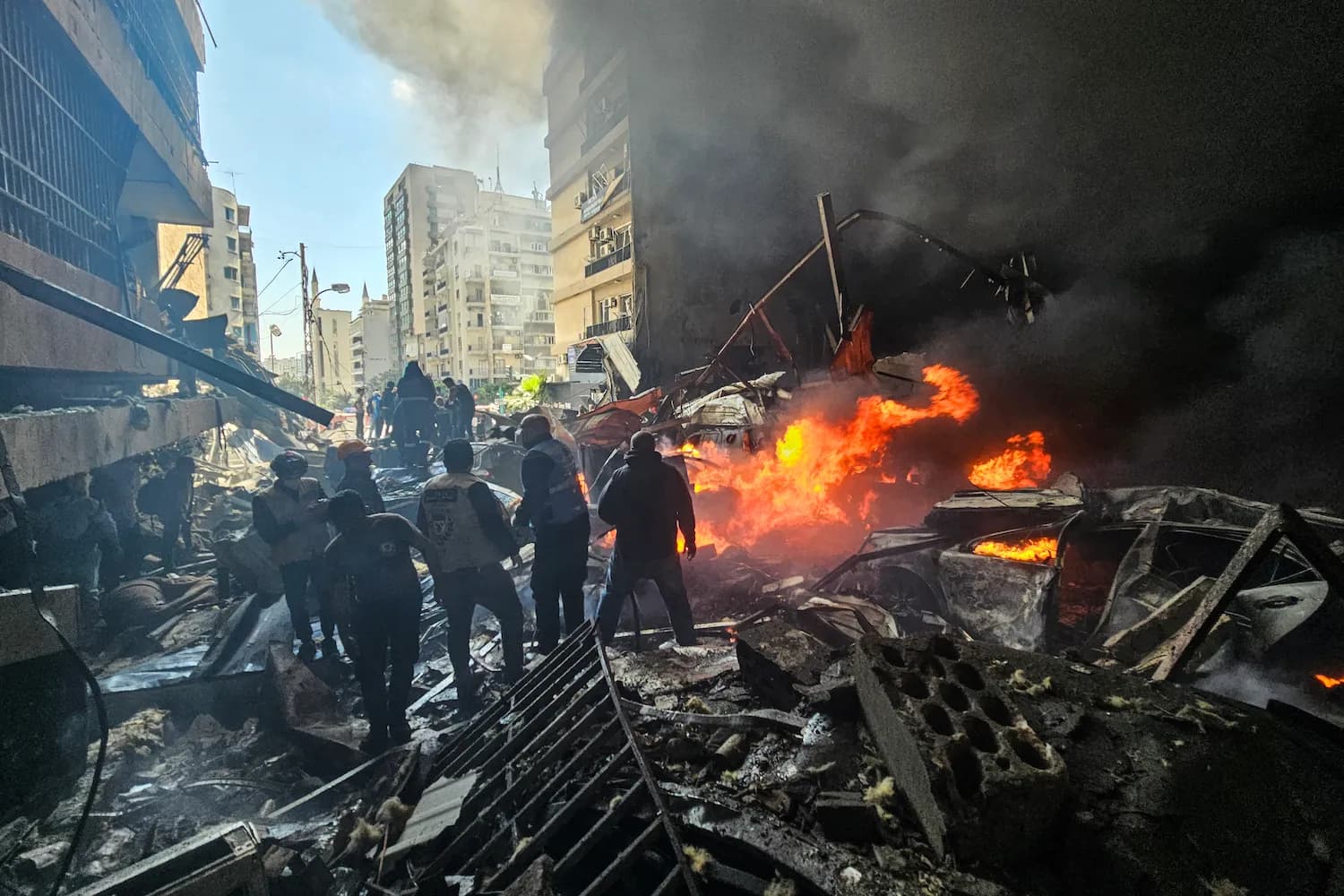
The dispute is unfolding against a complex regional backdrop involving multiple actors. The Independent's reporting references Israel and Lebanon as additional factors in the broader geopolitical picture, suggesting the ceasefire between Iran and the United States is linked to, or at least intersecting with, other regional conflicts and diplomatic arrangements.
The Strait of Hormuz has historically been a flashpoint in tensions between Iran and Western powers. Tehran has previously threatened to close the waterway during periods of heightened conflict, and any actual, sustained closure would represent one of the most disruptive developments in global energy markets in recent memory.
What comes next
It remains unclear what steps the United States intends to take in response to Iran's failure to reopen the strait, or whether diplomatic channels remain active enough to resolve the dispute before it leads to a renewed breakdown in relations.
Trump's public accusation against Tehran signals that Washington is prepared to apply pressure, though the specific tools or consequences the administration is considering have not been detailed in available reporting.
The situation continues to develop, with international attention focused on whether the ceasefire can hold and whether Iran will move to restore shipping access through the strait in the near term.