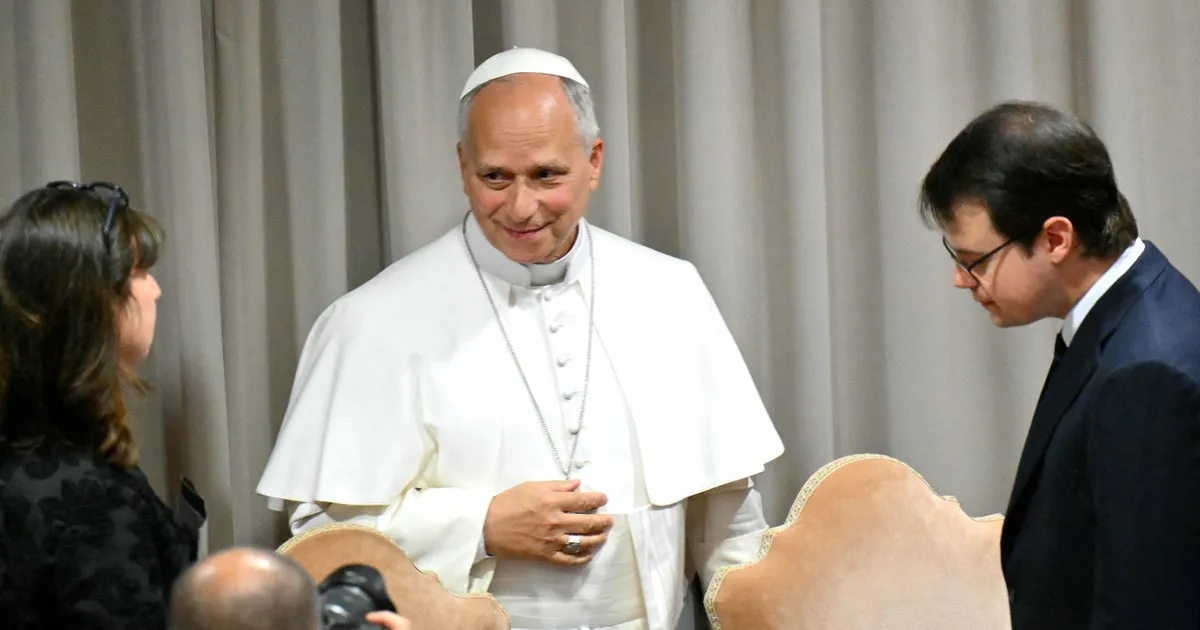
In what may be the most unexpected tech-industry callout of 2025, Pope Leo XIV has published his first papal encyclical - and instead of the usual theological deep dives, he's essentially telling humanity to put down the neural networks and remember what it feels like to be a person.
The document, titled Magnifica Humanitas (Latin for 'the magnificence of humanity,' not the name of a new Pixar movie, though we'd watch it), was reported by CBS News and positions artificial intelligence as the defining civilizational challenge of our era. The central worry from the pontiff? That in our race to build smarter machines, we might forget to stay 'profoundly human' - a phrase that hits differently when you realize we're already arguing with chatbots about whether they have feelings.

What Leo is actually saying
According to CBS News, the encyclical calls for what the pope describes as the 'disarming' of AI. This isn't a call to literally unplug the servers in Menlo Park (tempting as that may be), but rather a moral and philosophical push to strip artificial intelligence of its more dangerous dimensions - the kind that threaten human dignity, autonomy, and decision-making.
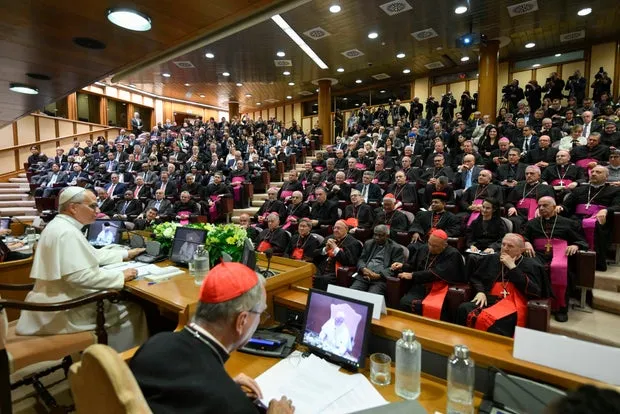
The framing is notable. Leo isn't positioning AI as inherently evil, which would be the easy, dramatic take. Instead, the encyclical appears to wrestle seriously with the tension between technological capability and human responsibility - a nuance that many tech ethicists have been screaming into the void about for years, except with fewer golden vestments.
Why this matters beyond the Vatican walls
Papal encyclicals carry serious weight among the world's 1.4 billion Catholics, and they tend to ripple outward into broader cultural and political conversations. When Pope Francis published Laudato Si' on climate change in 2015, it shaped environmental debates well beyond religious circles. Magnifica Humanitas could do the same for the AI ethics conversation - injecting a moral vocabulary into a discourse that is currently dominated by engineers, investors, and the occasional panicked senator.
The timing is also pointed. As governments worldwide scramble to regulate AI and tech companies race to deploy increasingly powerful systems, having the Bishop of Rome weigh in with a formal doctrinal document is - to put it mildly - a vibe shift.
The bottom line
Pope Leo XIV has essentially written a 2025-era 'please be normal about technology' manifesto, and given the current state of the AI arms race, you could argue someone had to. Whether Silicon Valley reads papal encyclicals is another question entirely - but at least the Vatican's Wi-Fi password is probably still 'benedictus1234.'
Source: CBS News