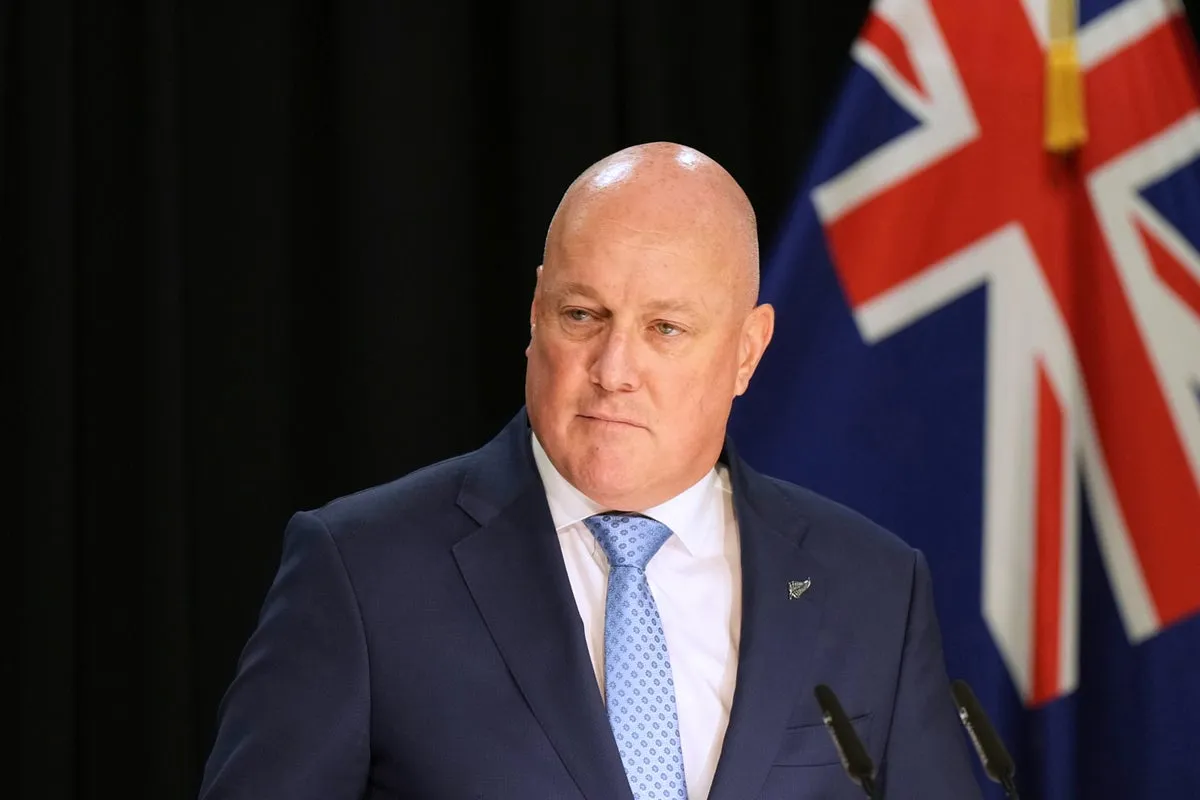
New Zealand Prime Minister Christopher Luxon has survived a confidence vote within his own National Party, according to reporting by The Independent, clearing a significant internal political hurdle with a general election expected in 2026.
Luxon told reporters that he himself had initiated the vote, framing the move as a way to consolidate his authority and demonstrate unified party support ahead of the coming electoral cycle. The vote concluded in his favor.
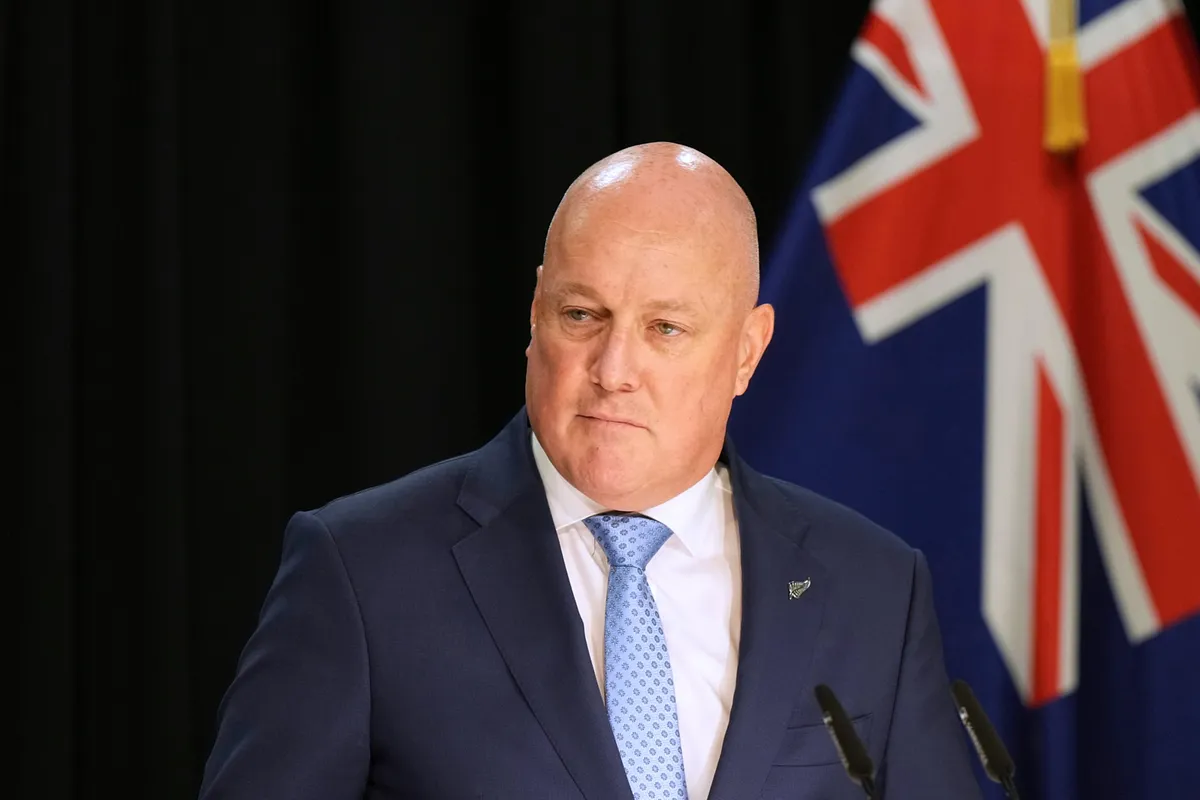
The decision to call a confidence vote is an unusual step for a sitting prime minister, and signals that questions about Luxon's leadership had reached a level requiring a formal resolution within the party. By proactively seeking the vote rather than waiting for a challenge to be mounted against him, Luxon sought to control the narrative around his political standing.
Luxon has led the center-right National Party since 2021 and became prime minister after the party formed a coalition government following the October 2023 general election, ending six years of Labour-led government under Jacinda Ardern and her successor Chris Hipkins.

Since taking office, his government has pursued a fiscally conservative agenda, including public sector spending cuts and changes to resource management law. Those policies have generated both support among business-aligned voters and criticism from opposition parties and public sector unions.
New Zealand holds general elections on a three-year cycle, meaning the next election is expected in late 2026. Opinion polling in the lead-up to the confidence vote had indicated challenges for the governing coalition, though specific polling figures were not detailed in The Independent's report.
Surviving the internal vote removes, at least in the short term, the prospect of a destabilizing leadership contest within the National Party. However, the circumstances that prompted Luxon to call the vote suggest ongoing pressure on his leadership as the government moves deeper into its term.
The outcome places Luxon in a strengthened, if not entirely secure, position as he navigates both domestic policy challenges and preparation for the next national election.