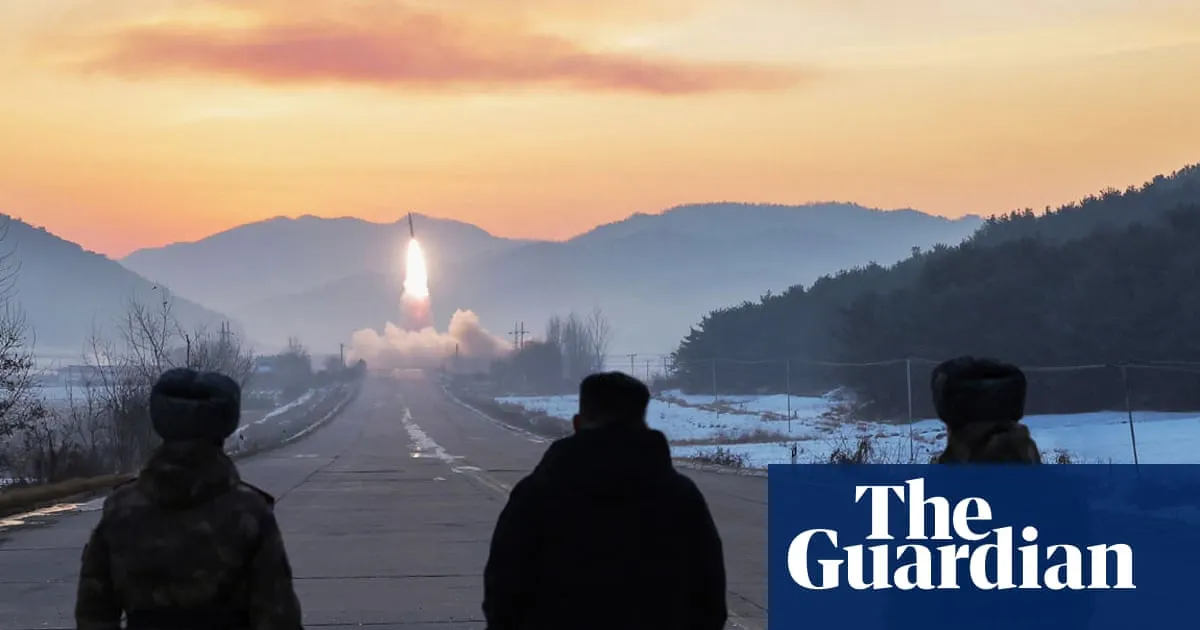
North Korea has made significant advances in its nuclear weapons production capacity, the head of the United Nations' nuclear watchdog warned, adding to growing concerns that the Pyongyang regime is accelerating efforts to expand and entrench its arsenal.
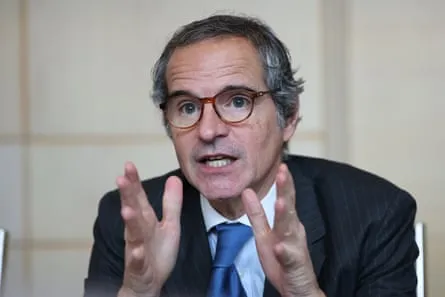
Rafael Grossi, director general of the International Atomic Energy Agency (IAEA), described North Korea's progress as "very serious," citing a rapid rise in activity at the country's main nuclear complex, according to a report by The Guardian.
A growing arsenal
North Korea is believed to have assembled approximately 50 nuclear warheads, though the precise figure remains difficult to verify given the secretive nature of the regime. Some experts have expressed skepticism about Pyongyang's claims that it has successfully miniaturized its nuclear devices - a key technical step required to mount warheads onto ballistic missiles.
Despite those uncertainties, analysts broadly agree that North Korea's weapons program has grown substantially over the past decade, and that the pace of development appears to be quickening.
Survival strategy
The IAEA warning comes amid wider assessments that North Korea views its nuclear capability as a cornerstone of regime survival. By building a credible nuclear deterrent, Pyongyang aims to prevent military intervention by the United States or its regional allies, South Korea and Japan.
North Korea has long refused to engage in denuclearization talks on terms acceptable to Western governments and has been subject to multiple rounds of UN Security Council sanctions. Those sanctions have done little to halt the weapons program, according to observers.
Limited oversight
The IAEA has had no inspectors on the ground in North Korea since 2009, when Pyongyang expelled agency monitors. This severely limits the international community's ability to independently assess the scope and status of the country's nuclear activities. The agency relies primarily on satellite imagery, open-source intelligence, and information from member states to monitor developments.
The latest warning from Grossi underscores the challenge facing diplomats and international institutions in addressing a nuclear program that continues to develop outside any formal inspection or verification framework.
North Korea has not responded publicly to the IAEA's assessment.