Norwegian fish farms are generating nutrient pollution in coastal waters at a scale comparable to the raw sewage produced by tens of millions of people each year, according to a new report published exclusively in The Guardian.
Norway is the world's largest producer of farmed salmon, and the analysis, conducted by the Sunstone Institute, found that nutrients from fish feed are being excreted directly into fjords and surrounding coastal waters at levels equivalent to the untreated effluent of a country the size of Australia.
How the pollution accumulates
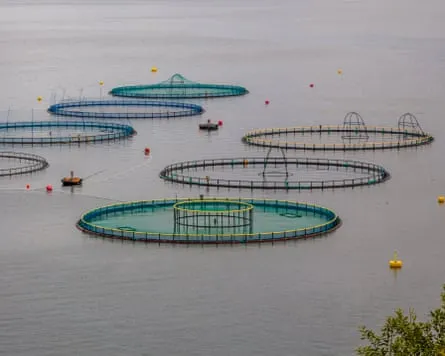
The nutrient contamination, described in the report as "fish sludge," originates from feed given to farmed salmon. When fish digest this feed, the resulting waste - rich in nitrogen and phosphorus - is discharged directly into surrounding waterways without treatment.
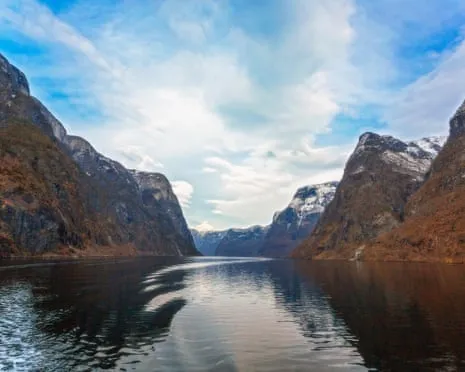
Unlike municipal sewage systems, which in most countries pass through treatment facilities before reaching waterways, fish farm waste enters coastal ecosystems without filtration. This allows large concentrations of nutrients to build up in fjords and inlets, which are particularly vulnerable due to their enclosed geography and limited water circulation.
Environmental concerns
Excess nutrients from agricultural and aquaculture sources are a well-documented environmental problem. When nitrogen and phosphorus accumulate in water bodies, they can trigger algal blooms, deplete oxygen levels, and harm marine ecosystems - a process known as eutrophication.
Norway's fjords are internationally recognized for their ecological significance and biodiversity. Environmental groups have long raised concerns about the expansion of salmon farming in these coastal areas, though the industry is also a major contributor to the Norwegian economy and a significant global food source.
Industry and regulatory context
Norway's aquaculture sector is subject to national regulatory oversight, and authorities have previously introduced measures to manage the environmental footprint of fish farming, including limits on farm licenses tied to environmental indicators.
However, critics argue that current regulations do not adequately address the cumulative impact of nutrient loading across the country's extensive coastline. The Sunstone Institute report adds weight to calls for stricter controls and independent environmental monitoring of fish farm sites.
The Norwegian fish farming industry has not yet issued a public response to the findings as reported by The Guardian. The Norwegian government's position on the report's conclusions was not immediately available.
The report comes amid growing international scrutiny of the environmental costs of aquaculture, as demand for farmed fish continues to rise globally and governments weigh the economic benefits of the industry against its ecological impact.