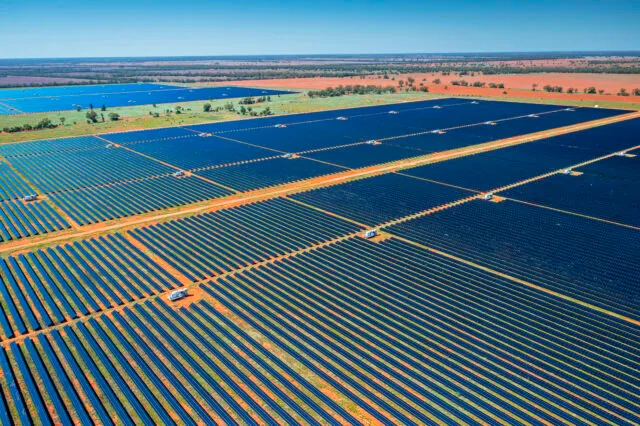
The growth of solar power worldwide has surpassed any expansion previously recorded for any energy source in history, according to the US Energy Information Administration (EIA), which has declared that humanity has entered what it calls the Age of Electricity.
The EIA's assessment, reported by Ars Technica, marks a significant milestone in the global energy transition. The agency found that the rate at which solar capacity is being added to power grids around the world exceeds the historical growth curves of coal, oil, natural gas, and nuclear power at their respective peaks.
Scale of the expansion
The designation of a new energy age reflects how fundamentally solar technology has reshaped power generation in a relatively short period. Solar photovoltaic installations have accelerated sharply over the past decade, driven by dramatic reductions in manufacturing costs and supportive government policies across major economies including China, the United States, and members of the European Union.
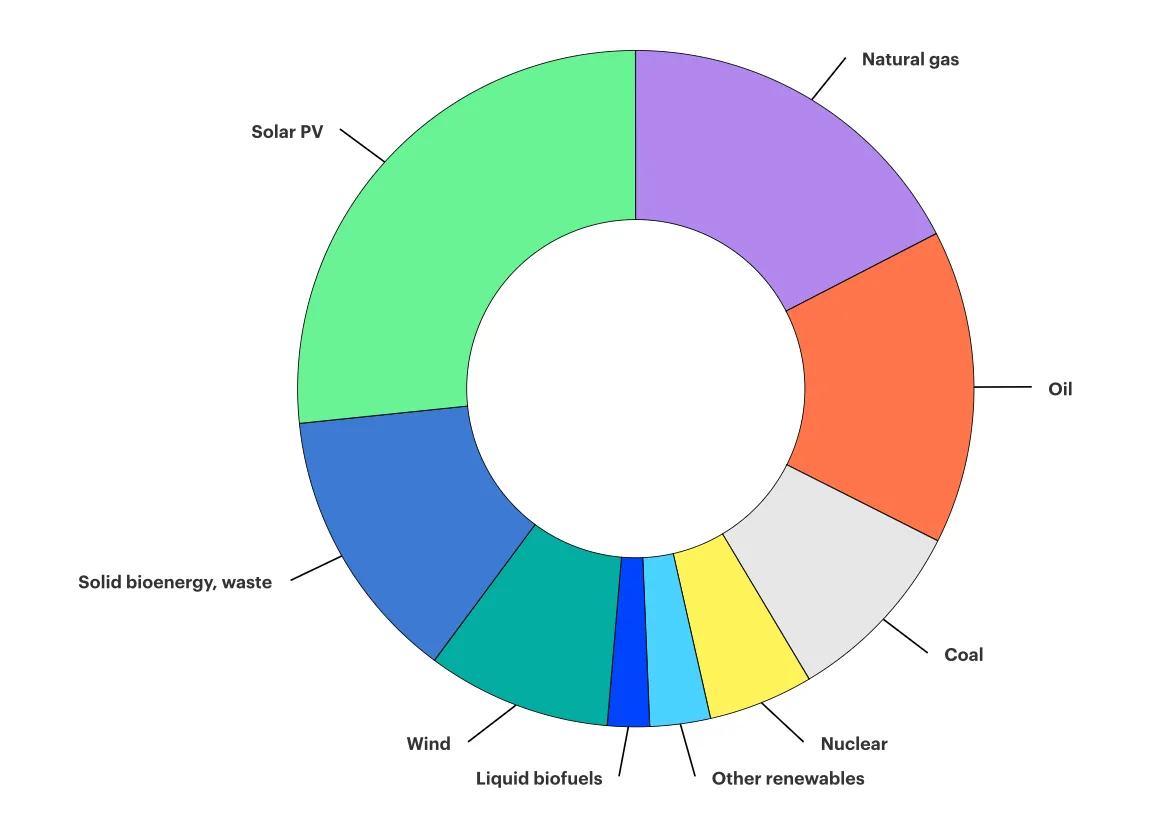
The EIA's framing of an "Age of Electricity" points to a broader structural shift, where electrification is expanding across sectors that have historically relied on fossil fuels, including transportation, heating, and industrial processes. Solar power is central to that shift, given its rapid deployment and falling costs.
Context and caveats
While the growth figures are record-setting in terms of capacity added, analysts note that solar still accounts for a fraction of total global energy consumption. Electricity itself represents only a portion of total energy demand, with significant shares of heating and transportation still dependent on direct combustion of fossil fuels.
Storage limitations and grid integration also remain challenges. Solar generation is intermittent, producing power only when sunlight is available, which requires complementary battery storage or other flexible generation sources to maintain reliable supply around the clock.
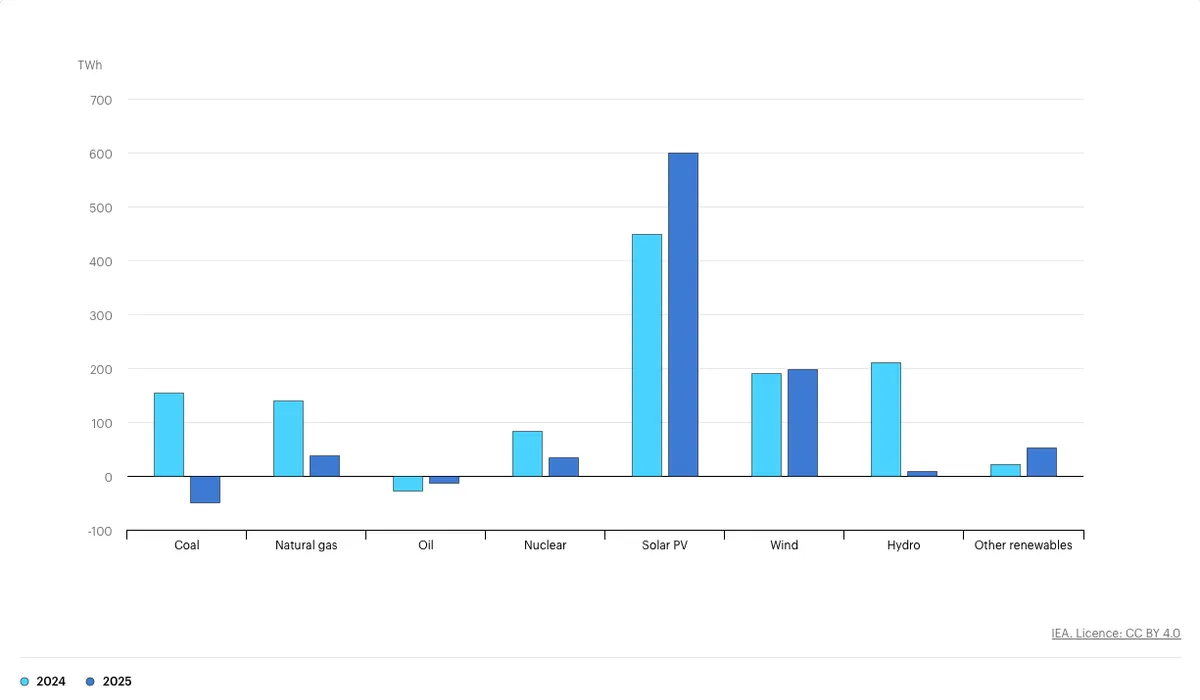
Despite those constraints, the trajectory documented by the EIA suggests that solar is reshaping investment patterns and policy decisions at a global scale. Utilities, governments, and private investors have increasingly shifted capital toward solar projects as the economics have become more favorable compared to conventional generation.
Implications for energy policy
The EIA's findings are likely to inform ongoing debates about the pace and shape of the global energy transition. Proponents of accelerated climate action point to the data as evidence that clean energy deployment can scale rapidly when conditions are right. Others argue that the focus on capacity growth can obscure the more complex challenge of fully replacing fossil fuels across all sectors of the economy.
The full EIA report, as covered by Ars Technica, offers what the agency describes as a turning point in how the world produces and consumes energy - one driven increasingly by electrons rather than combustion.