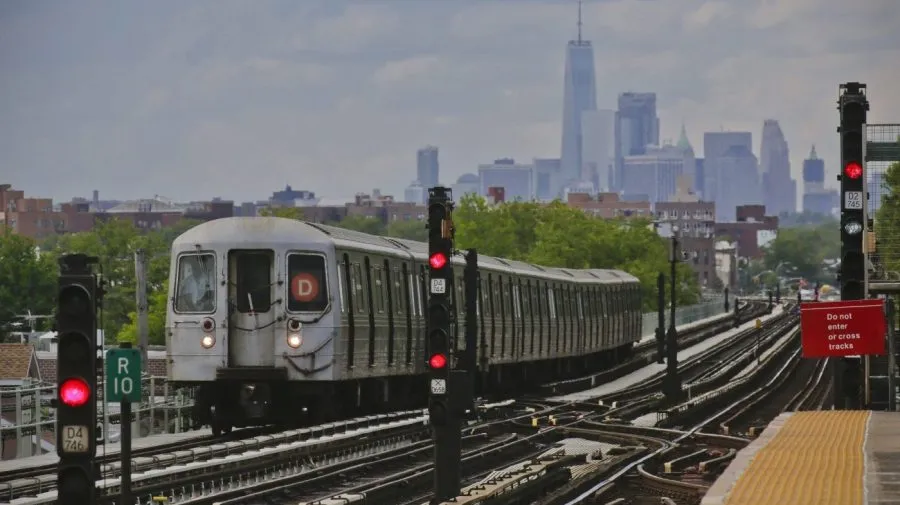
In a dramatic turn of events that New Yorkers will file under 'things we shouldn't have had to fight for,' the Trump administration has agreed to release federal funding for the long-suffering Second Avenue subway extension - and it took a lawsuit to make it happen.
According to The Hill, a Department of Transportation spokesperson confirmed that President Trump and Transportation Secretary Sean Duffy signed off on releasing the funds to the New York Metropolitan Transportation Authority (MTA) following a legal challenge filed specifically to restore the withheld money.
So what actually happened here?
The MTA, apparently tired of waiting around for the federal government to remember that public transit funding agreements are, in fact, binding, went ahead and lawyered up. The lawsuit appears to have done the trick, with the administration agreeing to release the cash shortly after.
The Second Avenue subway extension is one of those projects that New Yorkers have been hearing about for so long it has practically achieved mythological status. The line, which currently runs from 96th Street down to Hanover Square in Lower Manhattan, has been promised extensions northward for decades. The current phase in question would push the line further into East Harlem, serving communities that have been waiting for better transit access for generations.
Why does this matter beyond the five boroughs?
This episode is a pretty clear illustration of a growing tension between the current federal administration and major urban transit projects. Withholding congressionally appropriated funds - and then releasing them only after getting sued - raises obvious questions about what other infrastructure agreements might be sitting in a drawer somewhere.
For transit advocates, this is a cautious win. The money is coming, which is genuinely good news for a city that runs on its subway system. But the fact that it required a lawsuit to unlock funding that was already committed is the kind of thing that keeps transit planners up at night.
The MTA has not been shy about pushing back against federal funding disruptions, and this outcome suggests that legal pressure can work - at least sometimes. Whether this sets a precedent for other transit agencies in similar standoffs remains to be seen.
New Yorkers, meanwhile, are doing what they do best: cautiously optimistic while also fully prepared for something else to go sideways before the first shovel hits the ground.