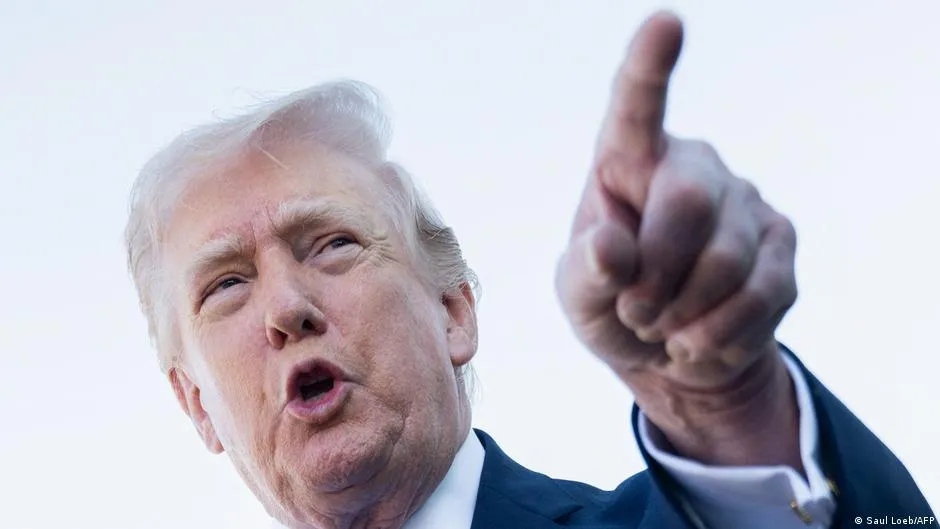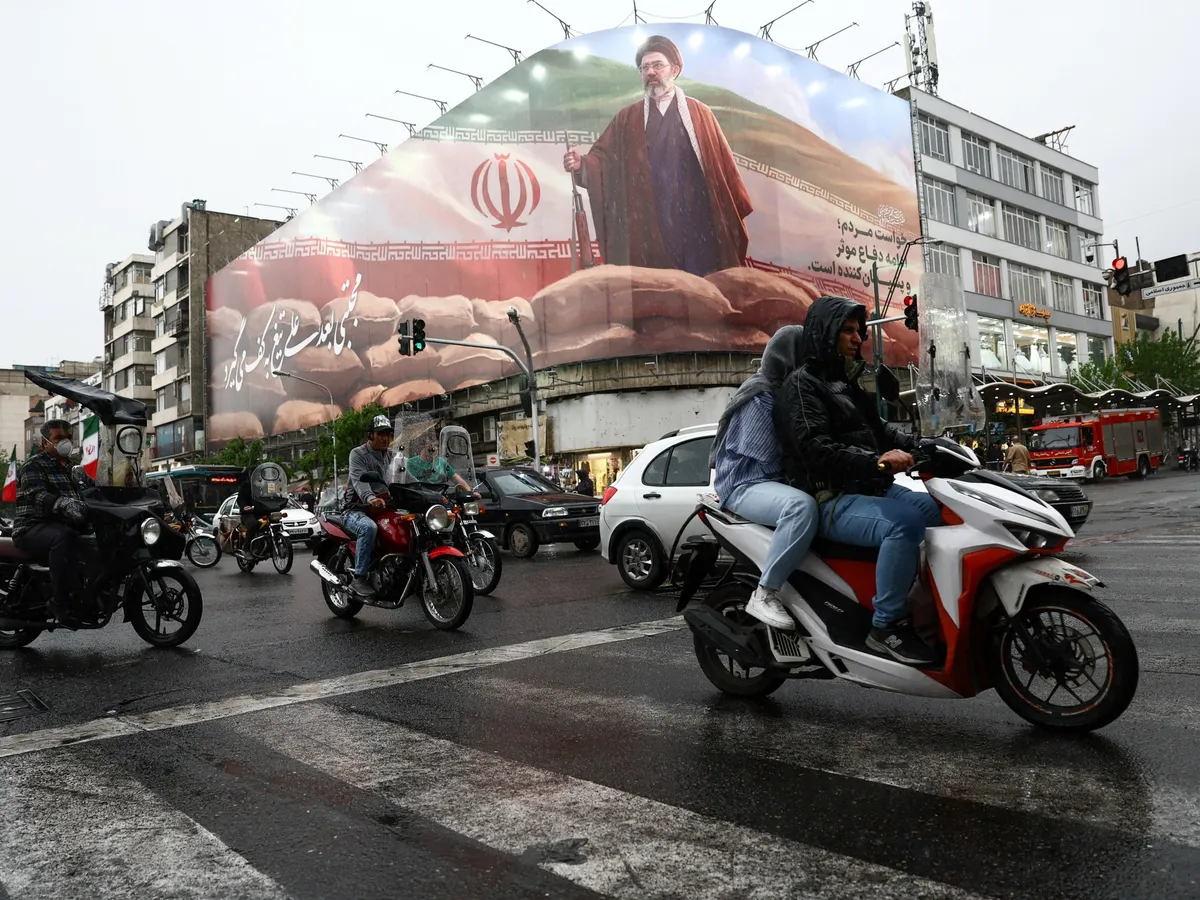
Donald Trump has made it abundantly clear that he is not interested in pressing the snooze button on the Iran ceasefire, declaring that Tehran has absolutely "no choice" but to show up to negotiations and accept what he described as a "great" deal. No pressure, guys.
According to Al Jazeera, Trump made the comments amid growing uncertainty surrounding the ongoing nuclear talks, which are taking place in Pakistan. The US president's position is essentially: the clock is ticking, the ceasefire extension is off the table, and Iran should be grateful a deal is even on offer.
The art of the ultimatum
This is very much classic Trump negotiating energy - come to the table, accept the terms, and do not ask too many questions about what "great" actually means in practice. Whether Tehran sees it the same way is, shall we say, a matter of significant diplomatic debate.
The talks in Pakistan represent a rare and delicate diplomatic channel between Washington and Tehran, two governments that have spent decades exchanging pleasantries mostly in the form of sanctions and pointed rhetoric. The fact that they are talking at all is being treated as a diplomatic achievement in some quarters, though the uncertainty hanging over the process suggests the road ahead is anything but smooth.
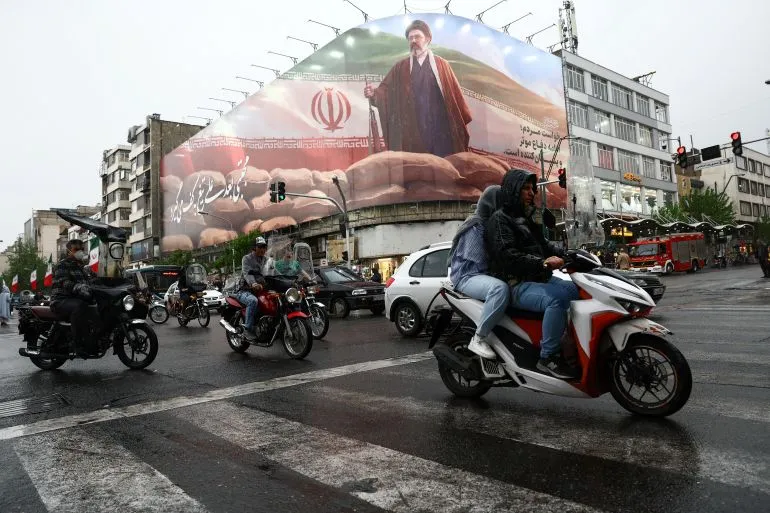
What's actually at stake
Iran's nuclear programme has been a central flashpoint in international relations for years, with Western governments insisting Tehran must not be allowed to develop nuclear weapons. Iran has consistently maintained its programme is for peaceful civilian purposes - a claim that has been met with considerable scepticism by the US, Israel, and European powers.
A ceasefire extension would have given negotiators more breathing room to work through the thorny details of any potential agreement. Trump's opposition to that extension essentially puts a hard deadline on proceedings, which either forces a deal faster or risks blowing the whole thing up spectacularly.
The wildcard factor
As Al Jazeera notes, the uncertainty surrounding the talks is real. Whether Iran's leadership is willing to accept terms framed as a take-it-or-leave-it offer from a president who pulled out of the last Iran nuclear deal back in 2018 remains a very open question. That previous withdrawal from the JCPOA is not exactly a confidence-builder for Iranian negotiators wondering whether any new agreement would last longer than a presidential term.
For now, the world watches Pakistan - not a sentence anyone expected to be writing this week - as diplomats attempt to thread a needle that has eluded multiple administrations across multiple decades.
No biggie.